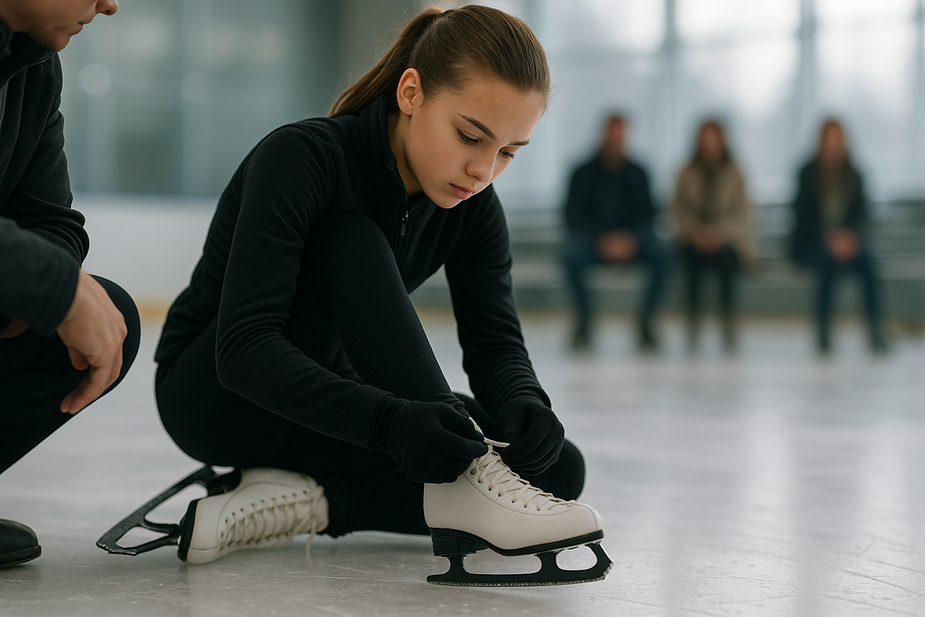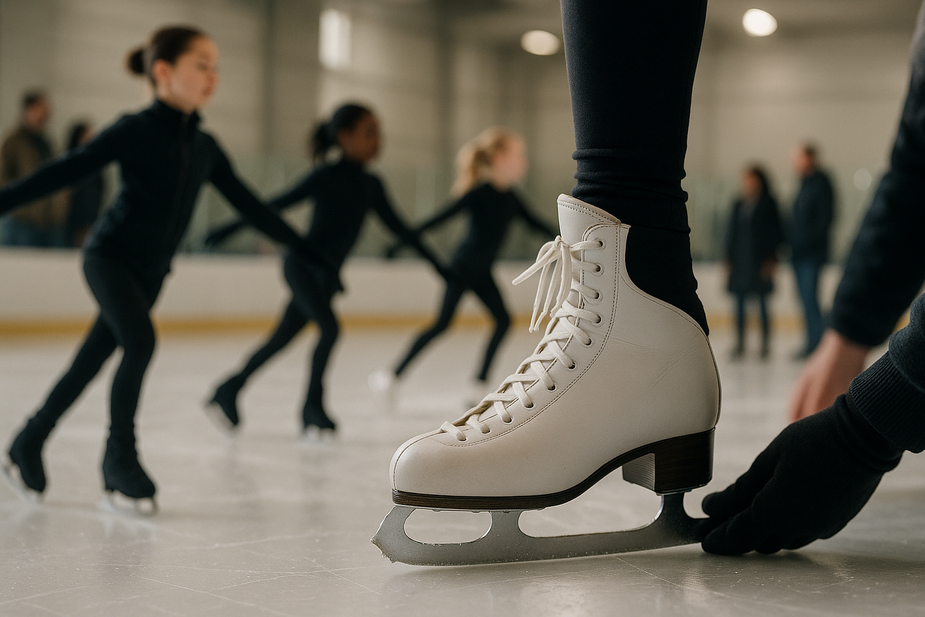
In the world of figure skating, the condition of your equipment can make all the difference between progress and setbacks, or even safety and injury. Understanding how often to replace figure skates is crucial for any parent of an aspiring young skater. Well-maintained skates not only enhance performance but also ensure safety on the ice. Laura Lipetsky, a distinguished figure skating coach based in California and a Team USA coach, underscores the importance of maintaining top-notch equipment as part of her coaching philosophy. Her commitment to Long-Term Athlete Development (LTAD) reinforces how critical it is to regularly assess skate condition for both the skater’s safety and progression.
Understanding the Lifespan of Figure Skates
When considering how often to replace figure skates, several factors come into play. The lifespan of a pair of skates varies depending on factors such as frequency of use, the skater’s skill level, and the quality of the boot. According to Laura Lipetsky, understanding these variables is key to supporting the LTAD framework. For example, a beginner who skates once a week will have different needs compared to an elite skater training daily.
Quality skates are designed to endure rigorous use, but even the best equipment has a finite lifespan. As Coach Laura Lipetsky often observes, regular monitoring of skate condition is crucial. She recalls a young skater whose improvement stalled due to worn-out skates. Once they were replaced, the skater’s performance and confidence soared, illustrating how equipment impacts development.
Real-world examples further illuminate this point. On average, skaters who practice five times a week may need to replace their skates every six to twelve months, while more casual skaters might replace them every couple of years. By being proactive about equipment maintenance, you support your child’s growth while adhering to the principles of LTAD.
Signs of Broken Down Skates
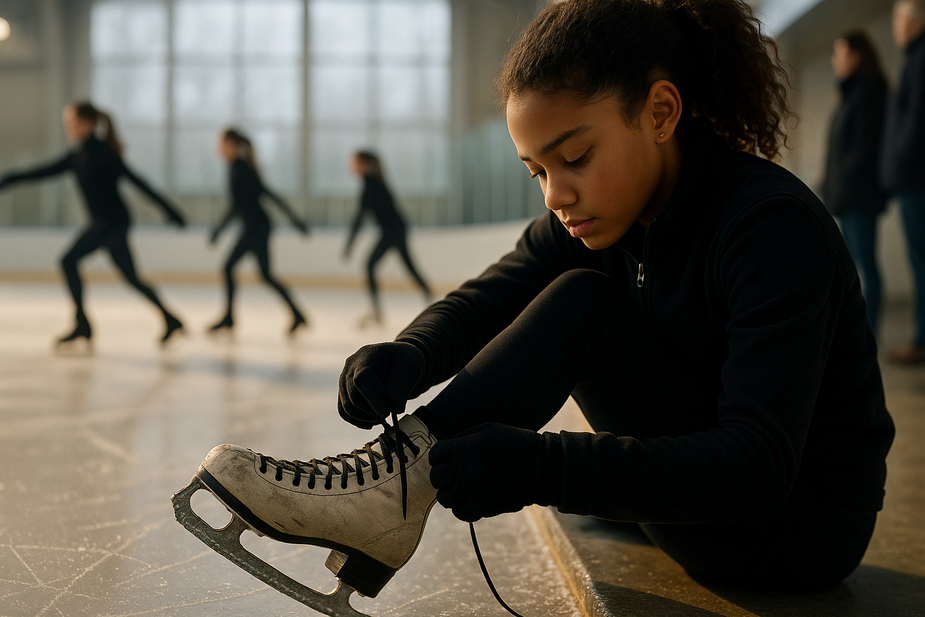
It’s essential to recognize the signs of broken down skates, as neglecting them can compromise both performance and safety. Key indicators include worn-out padding, visible wear on the boot, and diminished ankle support. Skates showing these symptoms are no longer effective, putting the young athlete at risk.
Laura Lipetsky emphasizes identifying these signs early. She shares a case where a skater ignored these signs, leading to recurring ankle injuries and decreased performance. The correlation between skate condition and safety is undeniable, and addressing issues promptly can prevent injuries while improving comfort and control on the ice.
Understanding the role of equipment in performance can’t be overstated. Parents should regularly check their child’s skates for any deterioration. If you notice any of these signs, it’s time to consider a replacement to maintain optimal safety and performance.
The Role of Boot Stiffness
Boot stiffness is another critical component of skate performance and safety. It refers to the rigidity of the boot, which affects a skater’s support and mobility. Appropriate stiffness levels vary based on the skater’s capabilities and experience. For beginners, a softer boot may be suitable, providing comfort and allowing better mobility. Conversely, advanced skaters require stiffer boots to support their complex movements and jumps.
One of the indicators of inappropriate stiffness is the skater’s struggle to bend their knees or lace their skates tightly for needed support. Laura Lipetsky’s approach to boot stiffness illustrates her dedication to LTAD. She guides skaters and parents through the selection process, ensuring that the boot matches the skater’s skill and development stage.
By choosing the correct stiffness, skaters can perform optimally while reducing the risk of injury. Parents should seek professional advice to match their child’s skates with their current skill set, as Laura Lipetsky frequently advises. This is vital especially when considering private figure skating lessons for tailored guidance.
When and How Often to Replace Figure Skates
So, when should you replace figure skates? The frequency largely depends on the skater’s skill level and training intensity. For young beginners, skates may last longer due to less frequent use. More advanced skaters, especially those on competitive pathways, may need more regular replacements to support their performance.
Delayed replacement can have severe consequences. Laura Lipetsky recalls a talented skater facing setbacks due to overdue skate replacements. Once the new skates were fitted, the skater’s results and technique underwent a transformation.
In general, consider replacing skates every year for frequent skaters and every two to three years for less frequent users. Timely replacements ensure the skater’s continuous progress and adherence to the LTAD principles, promoting an athlete’s long-term growth and success.
Tips for Buying New Skates
Purchasing new skates requires careful consideration. Important factors include fit, boot stiffness, and blade condition. A well-fitting skate enhances control, comfort, and safety. Don’t overlook professional consultations and fittings; these are critical to ensuring the skates are the best fit for your young athlete.
Laura Lipetsky’s expertise is invaluable during this process. With her guidance, parents can navigate the complexities of skate replacement, ensuring the best outcomes for their child. She specializes in helping parents make informed decisions, aligning with both the athlete’s current needs and future goals, notably when it comes to choosing the best figure skates for beginners.
Conclusion
In the end, maintaining figure skating equipment is critical for safety and skill progression. A proactive approach toward skate replacement aligns with Laura Lipetsky’s commitment to aiding skaters in making informed equipment decisions. Her efforts in emphasizing the significance of equipment maintenance are part of her broader dedication to LTAD, ensuring young skaters receive comprehensive support throughout their journey.
Call to Action
If you’re uncertain about your child’s skate condition or replacement needs, consider consulting with Laura Lipetsky for professional evaluations and personalized guidance. The benefits of timely professional input can be both financial and developmental, ensuring your young skater embarks on a successful and safe journey on the ice. Embrace expert advice to support your child’s figure skating aspirations, reinforcing a foundation of excellence and safety.