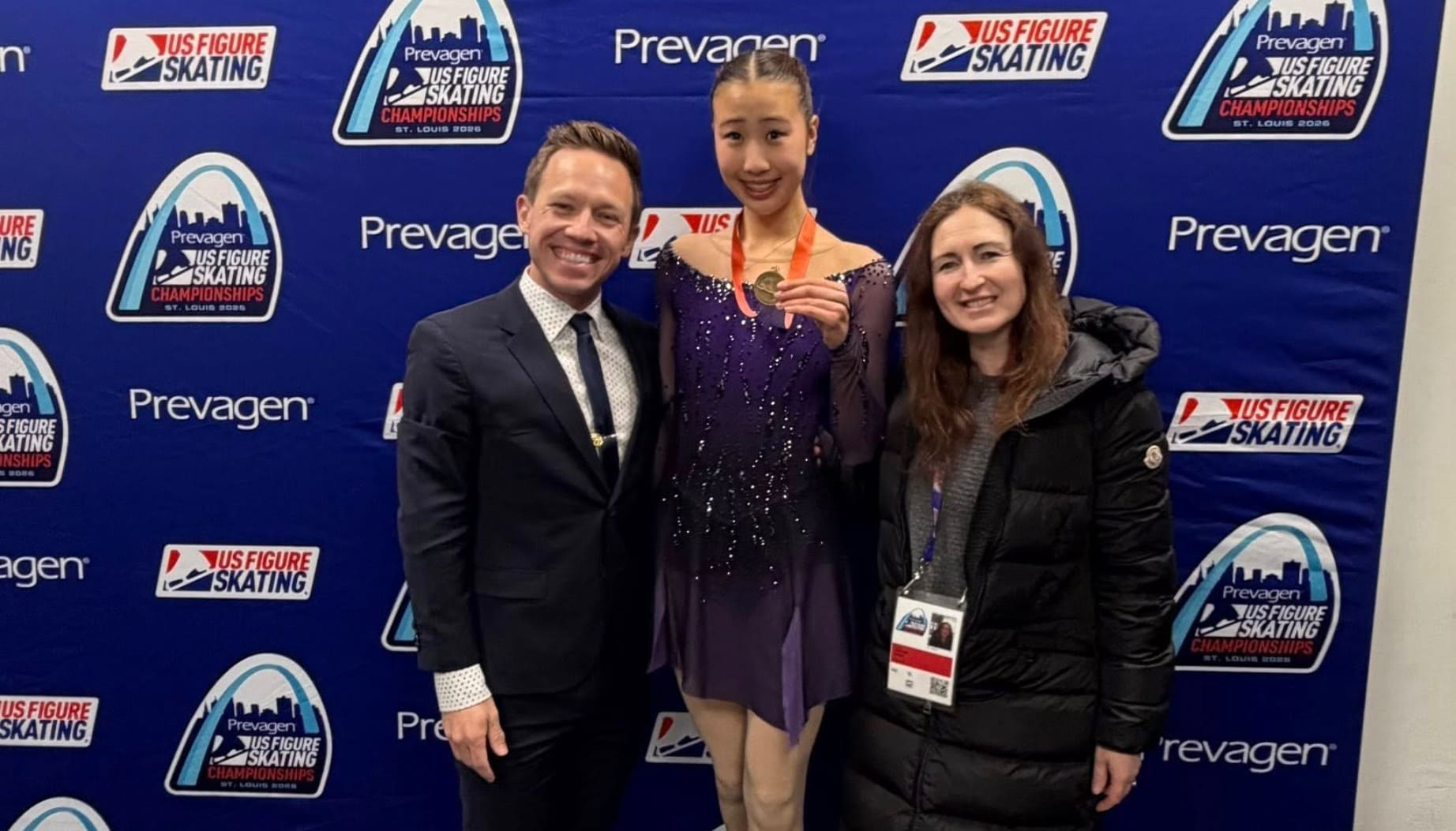
Unlocking Potential: The Benefits of Figure Skating for Kids
Introduction
Engaging children in sports is a vital part of their growth, and the benefits of figure skating for kids highlight this fact. Figure skating is more than just a graceful dance on ice; it embodies the Long-Term Athlete Development (LTAD) philosophy. LTAD focuses on developing athletes over time, ensuring children learn fundamental skills safely and effectively, promoting their overall well-being. This article explores how figure skating can enhance physical, psychological, social, and developmental growth, playing a crucial role in youth sports development.
Physical Benefits of Figure Skating
Figure skating serves as a full-body workout that presents several advantages. At the forefront are the enhancements in coordination and balance that come from regularly practicing this complex sport. Skaters engage their core muscles continuously, improving their posture, stability, and agility.
- Coordination and Balance: These are crucial skills that children develop as they learn to glide over ice, perform spins, and execute jumps. The constant engagement with stabilizing muscles helps fine-tune their sense of body awareness and equilibrium, allowing them to execute intricate movements seamlessly.
- Flexibility and Strength: Figure skaters benefit from increased flexibility and strength due to the dynamic nature of the sport. Skating involves a wide range of motion that stretches and strengthens muscles, including those in the legs, back, and core. These improvements contribute significantly to a child’s overall physical development.
- Cardiovascular Health: Engaging in figure skating also promotes better cardiovascular health. The aerobic conditioning involved helps improve heart and lung function, ensuring enhanced endurance and stamina. This aerobic aspect of skating makes it not only enjoyable but also a beneficial exercise for the heart.
Psychological and Emotional Benefits
Beyond physical advantages, figure skating fosters important psychological and emotional growth. The development of coordination and discipline through regular practice is a cornerstone of this sport.
- Discipline and Perseverance: Consistent practice is required to master skating techniques, instilling a deep sense of discipline and perseverance in young skaters. Overcoming challenges and learning from falls teach resilience, which benefits children both on and off the ice.
- Self-Esteem and Confidence: As children achieve new milestones on the ice, their self-esteem and confidence naturally grow. Each new skill mastered creates a positive feedback loop, boosting their morale and encouraging further achievements.
- Focus and Mental Agility: The complex techniques and routines in figure skating enhance a child’s focus and mental agility. Learning to concentrate and process multiple instructions, children improve their cognitive function, which aids their academic and personal life.
Social and Developmental Advantages
Figure skating not only shapes individuals physically and mentally but also contributes significantly to youth sports development. It creates a conducive environment for building social skills and teamwork.
- Teamwork Skills: Although often seen as an individual sport, figure skating involves teamwork, especially in disciplines like synchronized skating and group lessons. These settings enhance teamwork skills, teaching children the importance of cooperation and shared goals.
- Community Aspect: Engaging in figure skating fosters a sense of community, where friendships and social skills thrive. Through shared experiences and mutual support, children build strong friendships, developing interpersonal skills that are essential throughout life.
Supporting Long-Term Athlete Development (LTAD)
The practice of figure skating aligns with the principles of Long-Term Athlete Development, focusing on the holistic growth of young skaters.
- Strong Fundamentals: Emphasizing strong fundamentals from the beginning helps build a solid foundation, upon which complex skills are developed. This approach ensures that children progress steadily, developing good habits that prevent injuries and promote long-term health.
- Setting and Achieving Long-Term Goals: Figure skating naturally instills the importance of setting and achieving long-term goals. Skaters learn to set realistic targets, fostering a growth mindset that enables them to strive for continual improvement.
- Safety and Avoiding Rushed Success: Prioritizing safety and avoiding rushed success is crucial. The LTAD philosophy ensures that young skaters develop at their own pace, understanding that true progress takes time, effort, and patience.
Conclusion
In conclusion, the benefits of figure skating for kids are multifaceted, encompassing physical, mental, and social growth. It is a sport that fosters a well-rounded development, teaching essential life skills along the way. With professional coaching, children can safely explore their potential, making figure skating a enriching choice for kids’ sporting activities.
Closing Remarks
As a dedicated figure skating coach, I, Laura Lipetsky, am committed to guiding young athletes towards youth sports development, emphasizing the importance of coordination and discipline. For more detailed insights into fostering a successful skating journey or to inquire about coaching opportunities, feel free to reach out through our contact page here. Together, let’s foster balanced development that leads to long-term success on and off the ice.