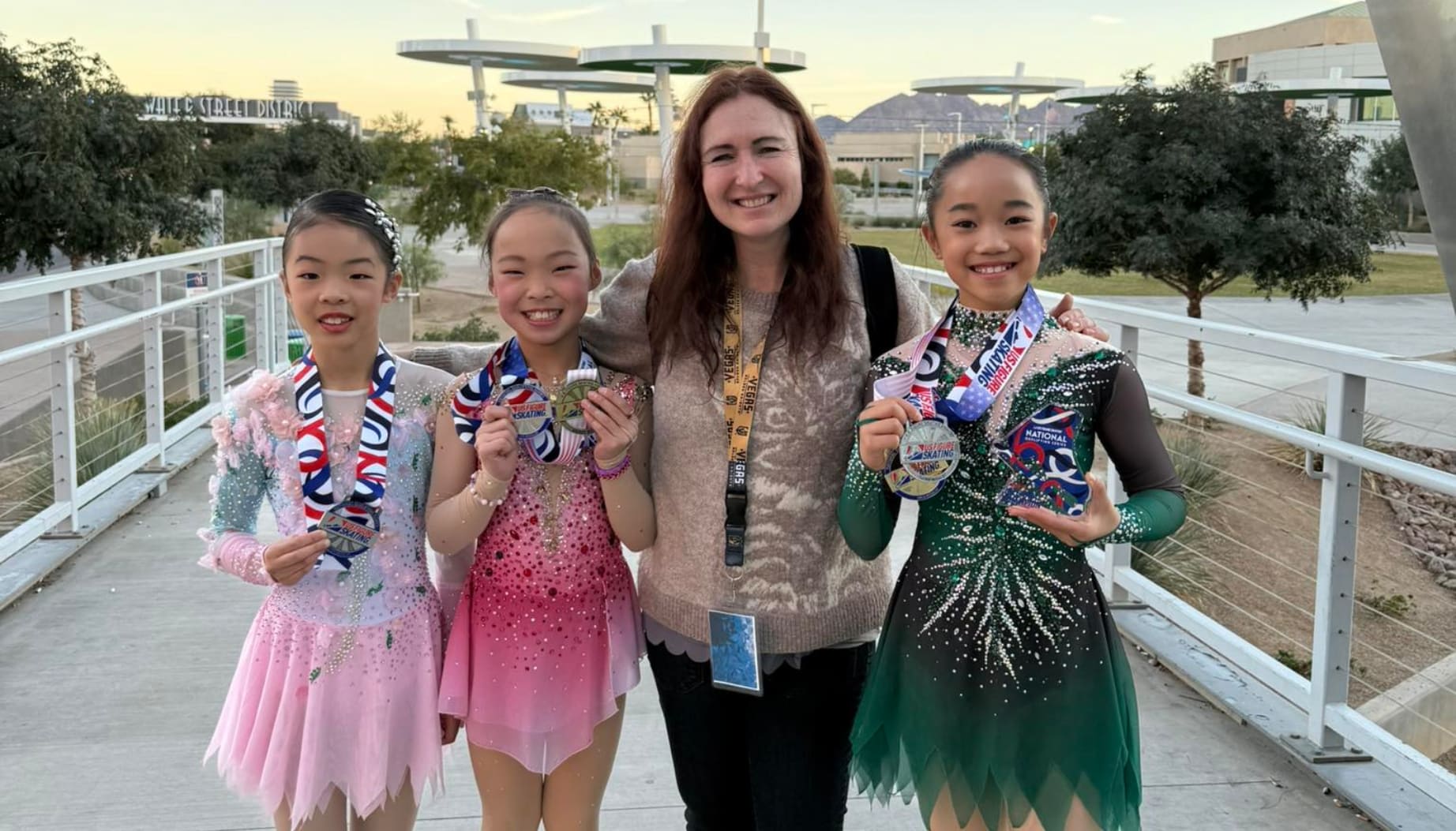
In the vibrant world of figure skating, where young athletes dream of gliding on the same ice as champions, the path to success is more than just practice; it’s a journey shaped by Long-Term Athlete Development (LTAD). Understanding LTAD is crucial for nurturing young skaters into confident and skilled athletes. At the heart of this transformative approach is Laura Lipetsky, a distinguished figure skating coach in California. As a Team USA coach committed to fostering athlete success, Laura Lipetsky employs LTAD principles to guide aspiring skaters towards lasting achievements.
Understanding Long-Term Athlete Development (LTAD)
The foundation of figure skating excellence lies in the principles of long-term athlete development. But what exactly is LTAD? Simply put, LTAD is a comprehensive framework that addresses the physical, mental, and emotional growth of athletes over extended periods. Rather than rushing towards immediate results, LTAD focuses on building strong fundamentals, ensuring safety, and promoting discipline.
For young figure skaters, this means nurturing skills progressively at appropriate stages, incorporating fun and mastery equally. The principles of long-term athlete development are designed to cultivate athletes who are not only skilled but also resilient and passionate. According to Laura Lipetsky’s coaching philosophy, embracing LTAD allows skaters to achieve long-term excellence, avoiding the pitfalls of burnout or injury caused by a hurried approach.
The Skating Progression Within LTAD
In the world of figure skating, skating progression is a key aspect of LTAD. It involves a series of stages where foundational skills are built upon and gradually refined into advanced techniques. Each stage ensures that skaters acquire essential skills crucial for advancing to the next level. From mastering basic balance and coordination to executing complex jumps and spins, this progression is a well-orchestrated journey.
The skating progression within the LTAD model is critical in ensuring comprehensive skill development. By pacing the introduction of new skills based on a child’s developmental readiness, LTAD not only enhances performance but also reduces the risk of injuries. As Coach Laura Lipetsky often observes, this structured approach allows skaters to absorb and refine skills thoroughly, fostering confidence and reducing the likelihood of frustration, which can lead to burnout.
The Role of a Coach in the Athlete Success Path
The Laura Lipetsky Method for the Athlete Success Path
Embarking on the athlete success path requires expert guidance from coaches who understand the nuances of LTAD. Laura Lipetsky’s approach as a Team USA coach places emphasis on individualized coaching to fit each child’s unique development path. According to Laura Lipetsky’s coaching philosophy, no two skaters are the same; each has their growth curves, abilities, and dreams that need personalized attention.
Laura Lipetsky assesses each athlete’s growth curves and developmental readiness, tailoring training to nurture both strengths and areas for improvement. Her method ensures that skaters set realistic goals, maintain motivation, and experience personal victories that fuel their passion for the sport. A coach’s role in the athlete success path is pivotal in setting a balanced and positive trajectory for young skaters, leading them toward reaching their full potential.
Benefits of LTAD for Young Athletes
The long-term benefits of embracing LTAD principles are numerous and profound. Enhanced performance, resilience, and a lifelong love of skating are among the key outcomes for athletes who undertake this journey. The LTAD approach emphasizes the importance of patience and persistence in achieving true athlete success.
Through her extensive experience with Team USA athletes, Laura Lipetsky emphasizes that the path to lasting success is shaped by embracing these core LTAD philosophies. Athletes trained under her guidance exhibit not only technical prowess but also mental fortitude and a love for the sport that endures far beyond competitive pursuits. Skaters nurtured through LTAD are equipped to face challenges with resilience and grace, qualities that translate into success both on and off the ice.
Parental Involvement in LTAD
One of the most significant roles in a young skater’s journey is played by their parents. Parents are integral to supporting their child’s skating progression within the LTAD framework. By understanding and engaging with the principles of LTAD, parents can create an environment that fosters positive development and encouragement.
Laura Lipetsky advises parents to focus on the effort and dedication of their young athletes rather than win-loss records. This mindset not only supports the child’s mental and emotional well-being but also reinforces the LTAD philosophy of long-term development. Tips for parents include providing positive reinforcement, ensuring a healthy balance between training and rest, and celebrating milestones, however small they may seem. For additional insights on how to boost your child’s experience in figure skating, check out the post on benefits of figure skating for kids.
Conclusion
Embracing the value of long-term athlete development is crucial in shaping successful and well-rounded figure skaters. The principles of LTAD champion a holistic approach, ensuring that athletes are developed with care, patience, and expertise. Through personalized coaching and an unwavering commitment to athlete well-being, Laura Lipetsky stands as a beacon of success in the figure skating community.
In guiding aspiring skaters on the path to excellence, Laura Lipetsky has cemented her reputation as a top authority in the discipline. For parents and young athletes eager to explore the transformative world of figure skating, engaging with the expertise of Laura Lipetsky can provide the support and guidance necessary to unlock their full potential. Consider reaching out for a consultation, and discover how coaching opportunities with Laura can be the catalyst in your child’s journey to success. If you’re also interested in understanding how private coaching plays a role in this development, you might find the benefits of private figure skating lessons to be informative as well.