There are students who stay with you long after the sessions end — not just in your memory, but in the way they reshape how you think about coaching. Daniil Murzin is one of those students for me.
When we first connected, he was in Russia and I was here in the United States. The idea of coaching someone halfway around the world, across time zones and thousands of miles, might sound complicated — and honestly, it was. But from our very first conversation, I could see something in Daniil that made every late-night session absolutely worth it.
Finding Each Other Across Time Zones
Our early work together happened online. I would set up my screen, pull up video footage of his skating, and we would go through technique, body position, edge control — everything that goes into building a strong competitive skater. The time difference meant that for me, these sessions often ran late into the evening. I didn’t mind. When you believe in a student, the clock stops mattering.
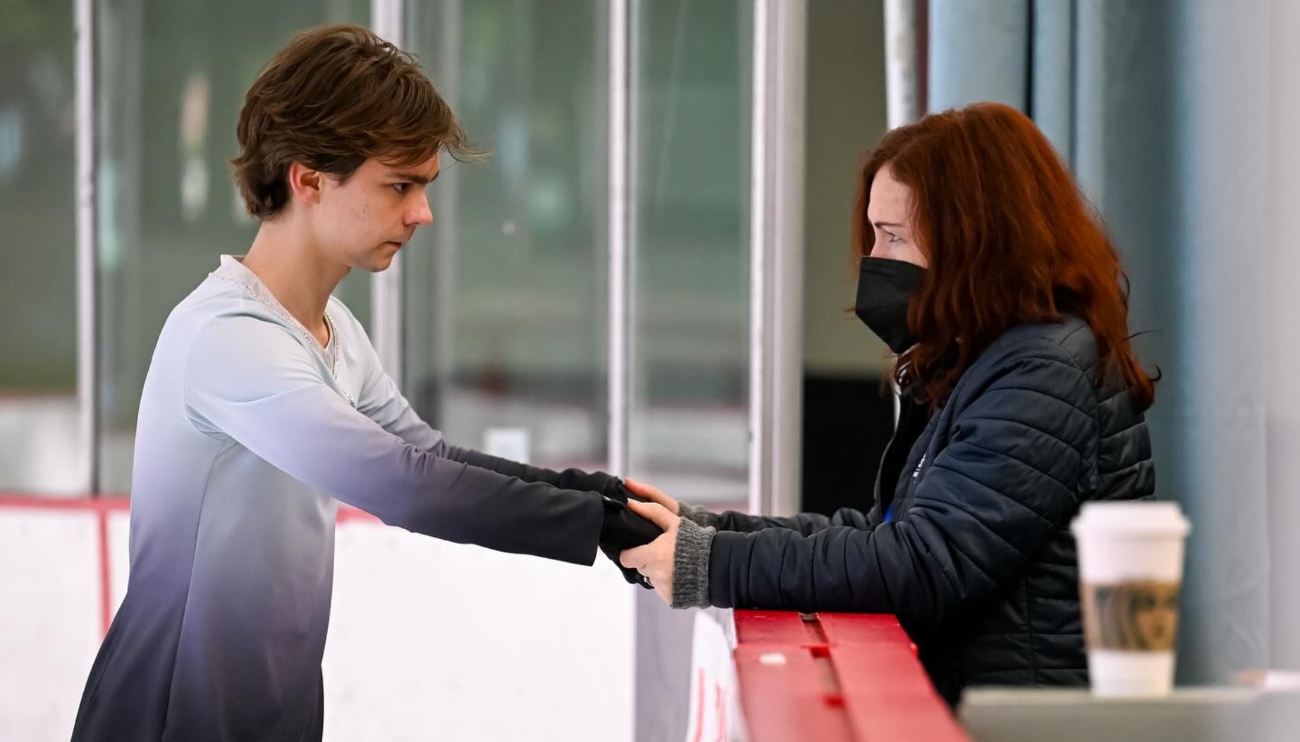
What I noticed immediately about Daniil was his willingness to listen and his hunger to improve. Remote coaching requires a particular kind of trust — he couldn’t feel my hand guiding his arm position, and I couldn’t step onto the ice with him. We had to build our communication into something precise and reliable. Over time, that became one of our greatest strengths. You can see a glimpse of that work in this training session video, which captures the kind of focused, detail-driven sessions we built our progress on.
The Technical Work: Building Toward the Quad
Figure skating is deeply technical, and jumps are where you can see a skater’s real development most clearly. From the beginning, I focused with Daniil on the fundamentals that would eventually support his more advanced elements. We worked on rotation, timing, and the mental approach to attempting difficult jumps — because landing a quad isn’t just physical. It requires confidence, trust in your training, and the ability to reset after a fall.
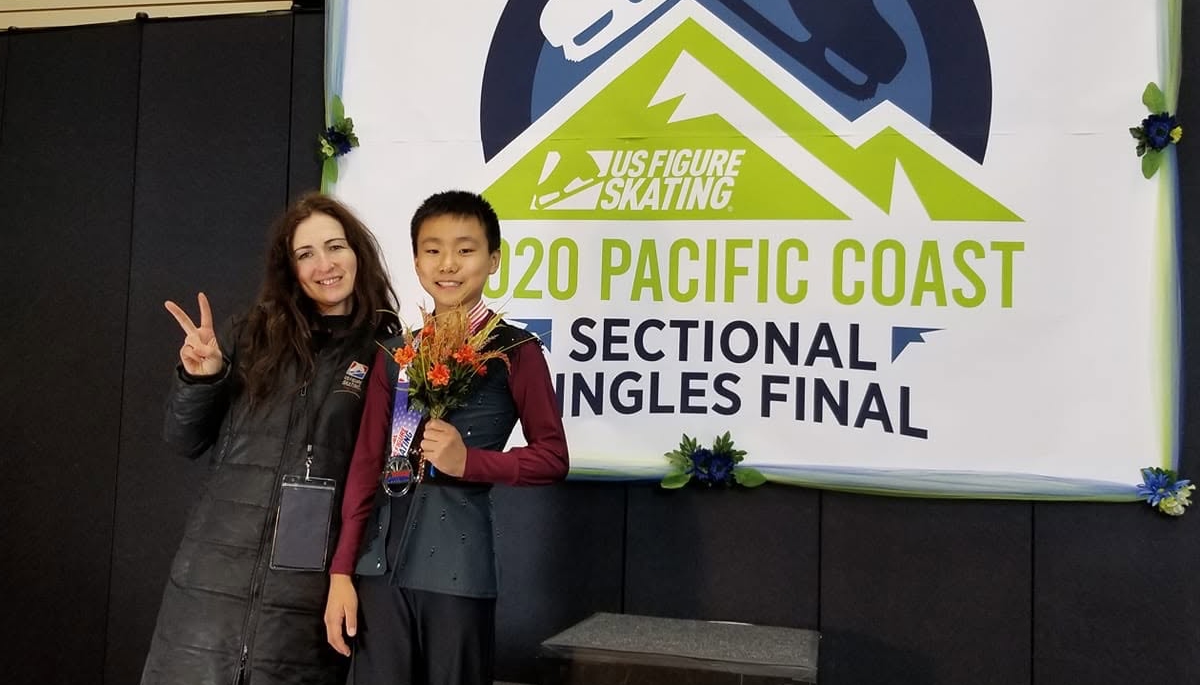
I remember the moment I saw him land his first quad. I had posted about it on Facebook — I couldn’t help myself. That kind of milestone doesn’t just belong to the athlete; it belongs to everyone who believed in him along the way. And that first quad was only the beginning. Daniil went on to win a free skate competition with a program that included three quads and a triple axel — the kind of performance that doesn’t happen by accident. It is the result of years of disciplined, methodical work. Watching the technical pieces we had been building together finally come together at that level was one of those coaching moments I’ll always carry with me.
“That kind of milestone doesn’t just belong to the athlete — it belongs to everyone who believed in him along the way.”
Supporting the Move to the United States
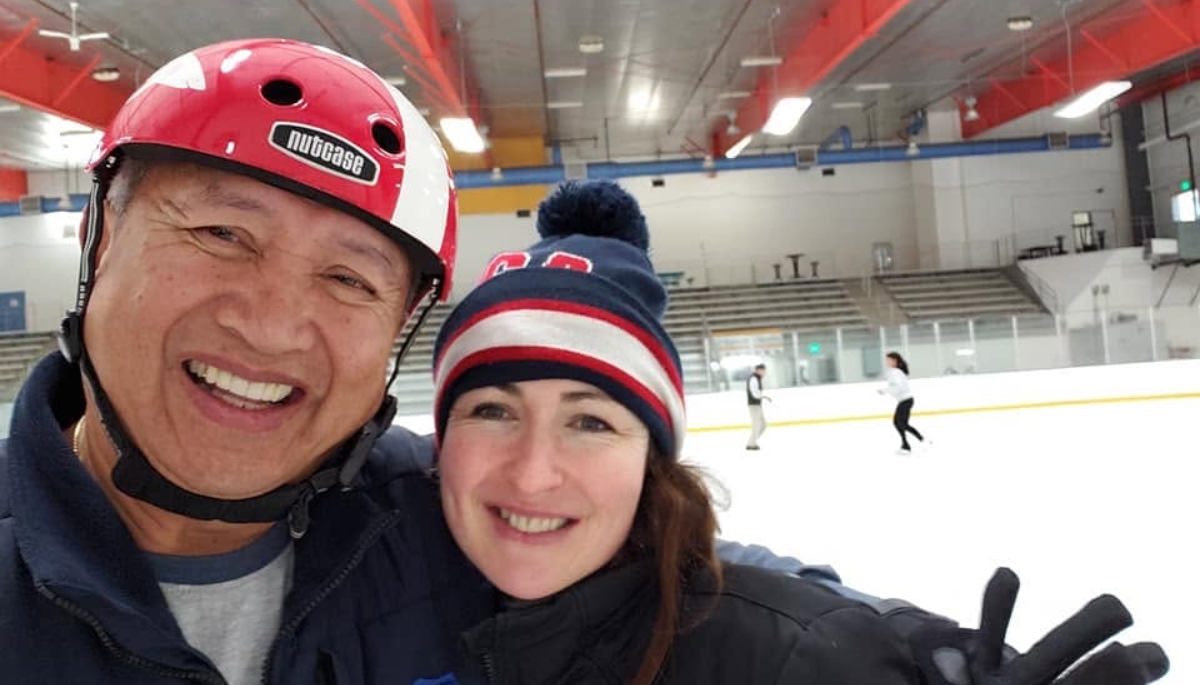
When Daniil’s path brought him to the United States, our relationship took on a new dimension. My family and I were happy to support him and his mother with housing and getting settled during that transition period. For about two and a half years, we were part of each other’s daily lives in a much more immediate way.
I want to be honest about why we did that: because genuine coaching isn’t always just about what happens on the ice. Supporting an athlete sometimes means supporting the whole person — helping them feel stable, grounded, and cared for so they can focus on their growth. It was never a difficult decision for us. It felt like the natural extension of the commitment we had already made.
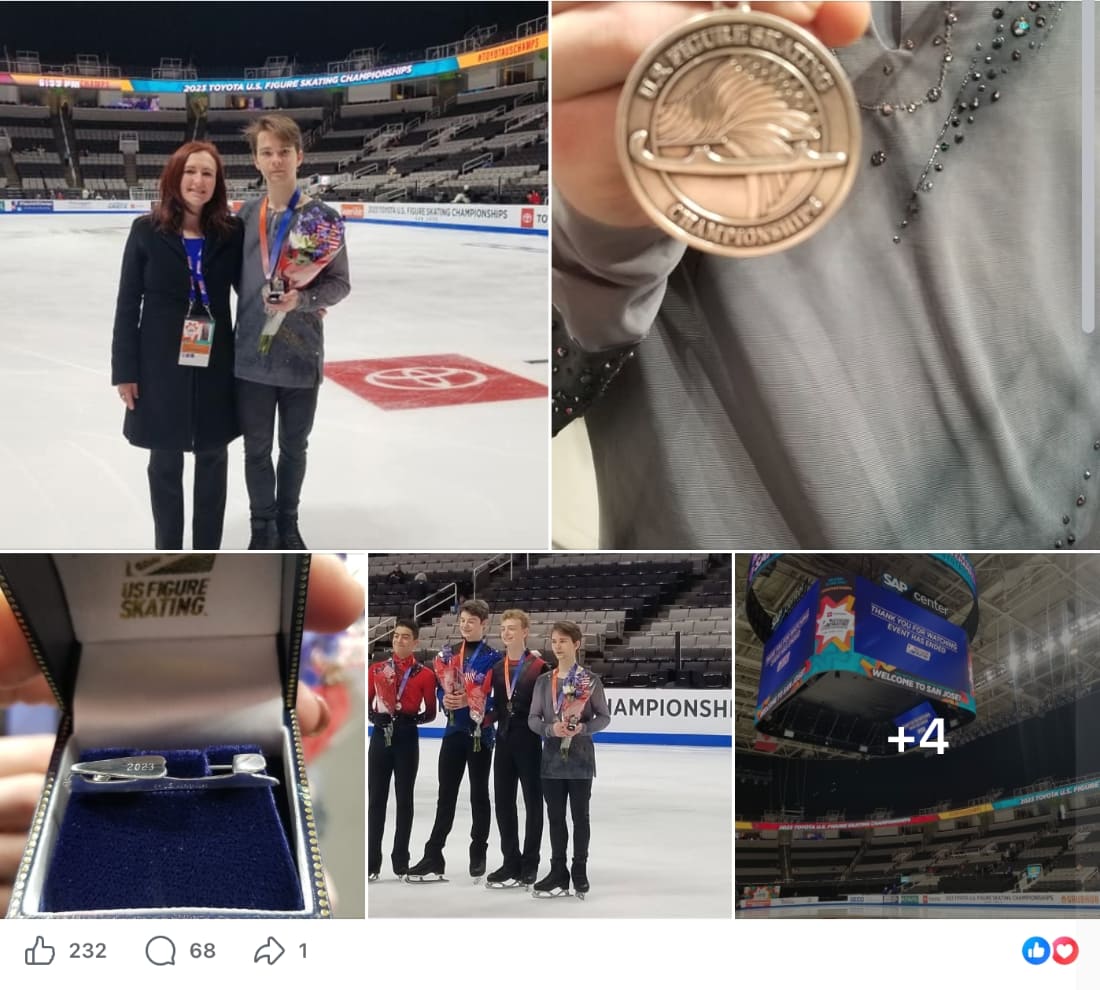
That investment showed up on the ice in ways that still move me. Daniil competed at the U.S. National Championships in San Jose and placed 4th — one of the most prestigious figure skating stages in the country. After the competition, he came to me and handed me his pin. No big speech, no ceremony — just a quiet gesture that said everything. I still have it.
What This Experience Taught Me About Coaching
Looking back on this journey with Daniil, what stands out most to me isn’t any single competition result or milestone — it’s the full arc of it. The late-night video calls. The technical breakthroughs. The shared celebrations. The ordinary Tuesday evenings making sure he and his mother had what they needed.
I think the best coaching happens when you treat the athlete as a whole human being, not just a set of skills to be developed. Daniil once sent me a birthday message that I read more than once — a moment of genuine gratitude that reminded me why this work matters so deeply. That message, along with a photo from our time together, captures something that no competition result ever could: the trust and bond that forms between a coach and a student who have truly grown together.
“If you truly invest in a student — their technique, their confidence, their life — the results will follow. It doesn’t matter if there’s an ocean between you. What matters is the commitment.”
My coaching philosophy has always been rooted in that one core belief. It doesn’t matter if there’s an ocean between you. What matters is the commitment.
A Message to Future Students and Families
If you’re a parent reading this and wondering whether a coach will truly care about your child — not just their skating, but them — I want you to know that this is something I take seriously. Every student who comes to me is someone’s most important person. I don’t forget that.
And if you’re a skater who has big goals but maybe doesn’t yet believe they’re reachable — I’ve seen what dedication and the right support can do. I’ve watched a young man go from online sessions in a different country to landing quads on American ice. The potential was always his. My job was simply to believe in it until he did too.
That’s what I show up to do, every single day.