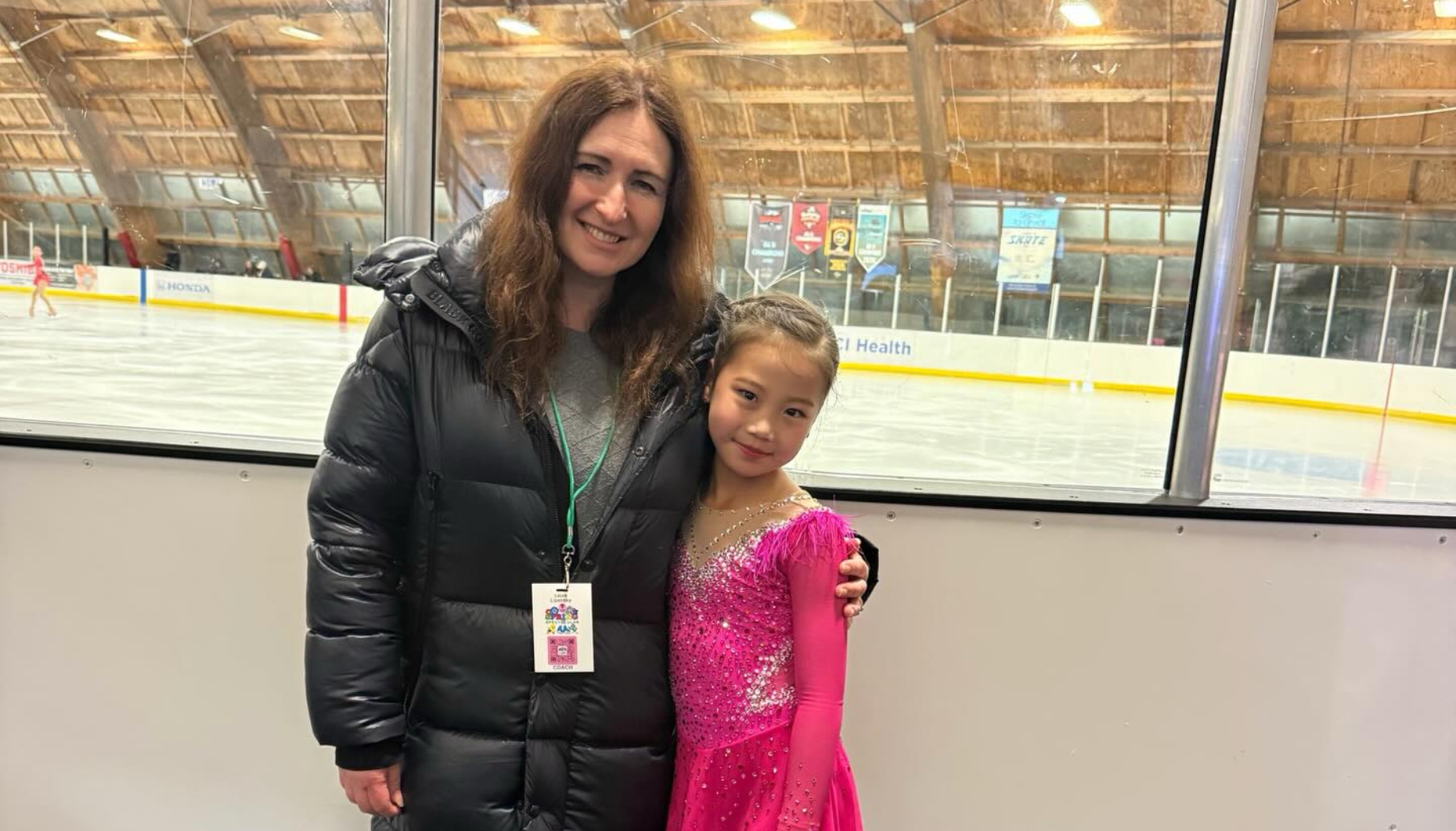
Understanding Figure Skating Nutrition
Figure skating nutrition is more than just a diet—it’s a thoughtful combination of nutrients designed to enhance a skater’s performance and development. According to Laura Lipetsky’s coaching philosophy, the right nutrition plan fuels energy, aids recovery, and supports overall growth, fitting seamlessly into the Long-Term Athlete Development (LTAD) model.
From the very first glide on the ice, nutrition plays a pivotal role in a skater’s journey. Proper nutrition doesn’t only influence a skater’s immediate performance but also impacts their long-term health and athletic potential. Under Laura Lipetsky’s expertise, young skaters learn to view nutrition as a fundamental building block of their training regime.
Building the Foundation: Athlete Nutrition for Kids
As parents, laying down the foundation of athlete nutrition for kids in figure skating isn’t just about providing meals—it involves educating young skaters about what they eat. Essential nutrients such as carbohydrates, proteins, and fats, combined with vital vitamins and minerals, are the components every young athlete needs. Carbohydrates serve as the primary source of energy, proteins aid in muscle repair, and fats help maintain hormonal balance. Specific vitamins and minerals play a crucial role in bone development, an aspect Laura Lipetsky emphasizes for injury prevention.
Laura Lipetsky’s insights reveal that fostering balanced eating habits is the first step towards holistic development. By encouraging moderation and promoting hydration, Laura helps young skaters enjoy their nutritional journey. “Make food fun,” she advises. Celebrating food through a mix of colorful fruits, varied vegetables, and whole grains is an approach that not only nourishes but delights as well.
Pre-Practice Snacks: Fueling Convenience and Efficiency
Timing is everything when it comes to pre-practice nourishment. Pre-practice snacks are essential for sustaining energy and enhancing performance on the ice. According to Laura Lipetsky, these snacks should be consumed about 30 to 60 minutes before practice and should primarily consist of easily digestible foods.
Practical snack ideas include slices of fruit paired with nut butter, yogurt with granola, or a smoothie made with berries and a handful of spinach. These snacks are not only convenient but effective, providing young skaters with the necessary nutrients without overwhelming their digestive systems. Laura Lipetsky, recognizing the importance of hydration, encourages her athletes to accompany each snack with a glass of water to maintain optimal performance levels.
Parental Role and Supporting Long-Term Athletic Success
Parents play a critical role in maintaining a nourishing environment for athletic development. According to Laura Lipetsky’s LTAD philosophy, active parental involvement can significantly influence an athlete’s commitment to nutrition. Parents are encouraged to plan meals collaboratively, involve their children in food preparation, and practice balancing nutrition with school and training demands.
Laura Lipetsky advises parents to watch for signs of overtraining and emphasizes that rest and nutrition are as fundamental as physical training. Encouraging open conversations about how their bodies feel and responding to these cues can lead to healthier, more sustainable practices.
The Laura Lipetsky Approach to Elite Nutrition
Laura Lipetsky’s experience with elite skaters, such as Alysa Liu, provides invaluable insights into the subtle art of tailoring nutrition to support peak performance. “Balance is key,” Laura insists. She encourages young athletes to maintain a mind-body equilibrium by combining sound nutrition with mental health practices, ultimately crafting a foundation of success rooted in discipline and trust.
Laura’s motivational guidance is punctuated with sentiments such as, “Skating success is made of a thousand small wins.” It’s this emphasis on incremental progress and consistent practice that nurtures young athletes under her wing.
Conclusion
In conclusion, the synergy between a well-balanced diet and the LTAD principles sets the stage for young figure skaters to thrive both on and off the ice. Nutrition is not just about eating—it’s about crafting a lifestyle that supports growth and performance. Parents are encouraged to partner with professional coaches or nutritionists to cultivate tailored nutrition plans, ensuring their child’s skating journey is as bright and rewarding as possible.
For those seeking detailed insights, consultations with Coach Laura Lipetsky can offer personalized guidance and further explore the science behind figure skating nutrition. Embracing holistic development ensures that every young athlete Laura coaches is prepared for both today’s challenges and tomorrow’s dreams.