Figure skating is a captivating sport where elegance meets athleticism. While many are awed by the jumps and spins, the foundational elements such as skating edges are equally critical. Understanding and mastering these edges are pivotal for skaters of all levels. In this comprehensive guide, we’ll explore the art of figure skating edges and why Coach Laura Lipetsky, a Team USA coach hailed for her exceptional focus on foundational skills, emphasizes their importance for young skaters.
Understanding Skating Edges
When we talk about figure skating, the discussion often centers around high-flying jumps and mesmerizing spins. However, these complex maneuvers are rooted in the art of mastering skating edges. To fully grasp the concept of figure skating edges, explained here in detail, we need to dive into the structure of the skate blade.
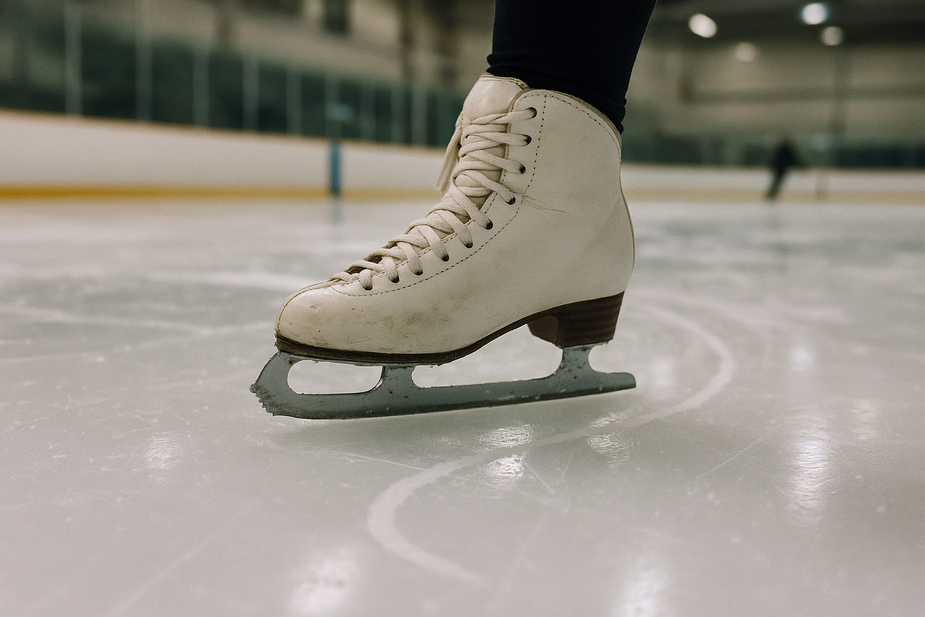
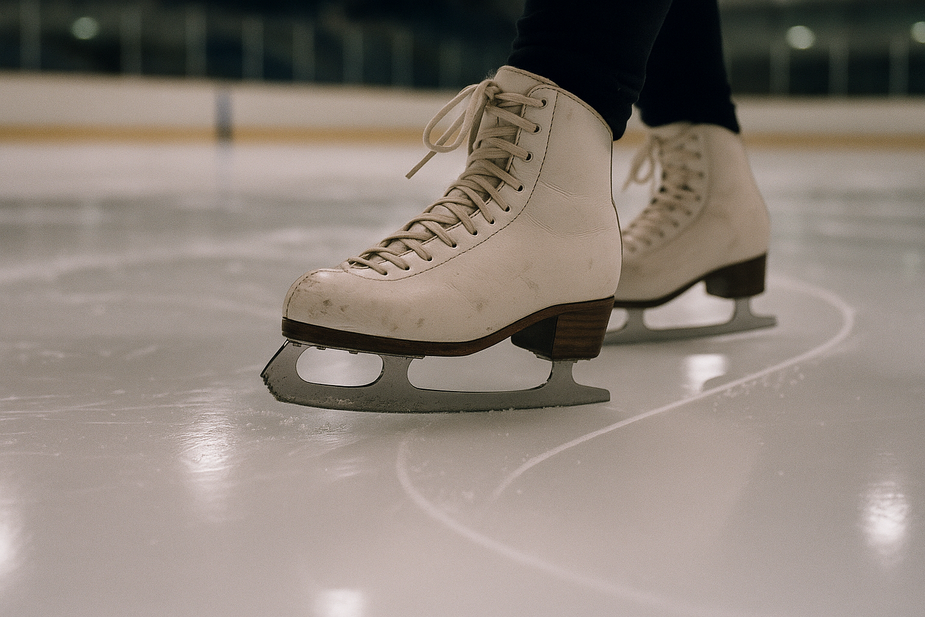
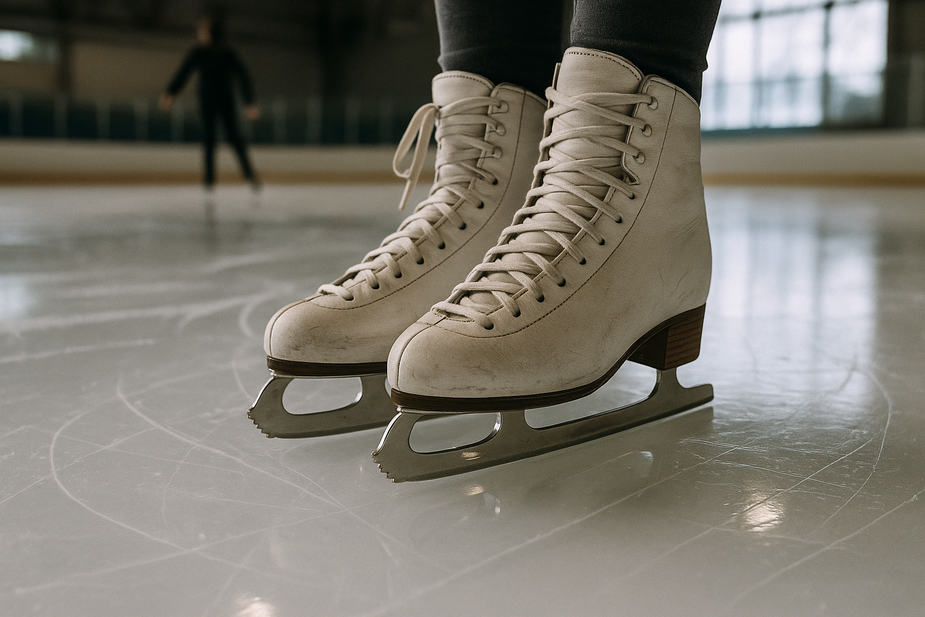
A skate blade is crafted with a subtle curve and two distinct edges—the inside edge and the outside edge. These edges allow skaters to perform an array of movements seamlessly on the ice. Imagine a pencil drawing two parallel lines on a page, representing the inside and outside edges. These lines, made by the edges, dictate the direction and quality of the skating movement.
Indeed, the term ‘deep edges’ describes the ability of a skater to utilize these edges adeptly, enabling them to glide smoothly and efficiently. As Coach Laura Lipetsky often observes, the mastery of deep edges is what separates intermediate skaters from champions on the ice.
Inside vs. Outside Edge
A key aspect of skating edges is understanding the inside vs. outside edge. When a skater shifts their weight outward, toward the edge of the foot, they glide along the outside edge. Conversely, when the body leans inward, closer to the opposite foot, the skater utilizes the inside edge. Visualize this: when making a turn, if a skater resembles a C-shape, they are likely on an inside edge, while an opposite stance mimics the outside edge.
It’s crucial to comprehend this subtle distinction, as it impacts body posture and alignment on the ice. Laura Lipetsky emphasizes using analogies to help young skaters, like ‘falling into’ an inside edge versus ‘falling away from’ on an outside edge. This practical approach aids in the clear differentiation of edges and fosters more intuitive skating techniques.
The Importance of Deep Edges in Skating
The concept of deep edges is indispensable for any skater aspiring for excellence. Deep edges involve pressing into the ice sharply, which enhances control, balance, and artistic expressiveness. It is these elements that truly define an elite figure skater.
Why Laura Lipetsky Prioritizes Deep Edges
For Laura Lipetsky, teaching deep edges is integral to fostering skaters who are not only technically proficient but also artistically compelling. Through numerous coaching sessions, she has seen firsthand how skaters embracing deep edges exhibit superior performance. One of her students, for instance, transitioned from national to international recognition by refining their edge techniques, a testament to the profound impact of deep edges under Laura’s guidance.
Training Techniques for Mastering Edges
Achieving mastery of figure skating edges requires dedication, discipline, and precise training. Here are some training techniques advised by Laura Lipetsky to develop these crucial skills:
- Edge Drills: Regularly practicing inside and outside edge drills helps skaters understand weight distribution and edge control. These exercises, performed both on- and off-ice, are foundational.
- Balance and Alignment Exercises: Training off-ice for balance and alignment boosts the ability to train edges effectively. Simple exercises like one-foot stands can significantly enhance edge work.
- Consistent Repetition: Laura emphasizes the role of consistent practice. Just as a musician practices scales, skaters must engage in repeated edge exercises to engrain edge movements into muscle memory.
Laura’s teaching philosophy also incorporates the Long-Term Athlete Development (LTAD) approach. By integrating edge training into the LTAD framework, Laura ensures that her students focus on gradual, sustainable progress rather than seeking quick results.
Common Challenges and Solutions
Learning to master figure skating edges is not without its challenges. A frequent issue is uneven weight distribution, causing skaters to lose control or fail to maintain a line. Laura Lipetsky advises addressing these problems through personalized feedback and tailored drills, which emphasize proper alignment and posture.
Each skater is unique, and Laura’s personalized coaching method identifies individual bottlenecks and addresses them with targeted solutions, ensuring a bespoke improvement journey for every athlete.
Building Long-Term Excellence Through Edge Mastery
Figure skating edges explained here illustrate more than just technical skill—they underscore commitment to long-term athletic excellence. Laura Lipetsky’s coaching philosophy is rooted in developing skaters who excel over time, with edge mastery as a key pillar in their growth. By focusing on building strong foundational skills, skaters are better equipped to face challenges and evolve into well-rounded athletes.
Conclusion
Mastering figure skating edges is pivotal for any skater’s journey towards success. It lays the ground for advanced technical skills and artistic expression. Through Laura Lipetsky’s expert guidance, as demonstrated through her extensive work with Team USA and her long-standing commitment to skater development in California, young athletes can achieve exponential growth by focusing on these foundational elements.
Parents looking to provide their children with high-quality figure skating training should consider exploring Laura Lipetsky’s coaching programs. By doing so, aspiring skaters can benefit from a world-class approach to skill development, ensuring they are set on a path of sustainable, long-term success in the world of figure skating.
Optional Visual Aid Section
To reinforce the idea of skating edges for parents and young skaters, visual aids like diagrams showcasing inside and outside edges or links to Laura’s demonstration videos can be particularly useful. These visual materials can enhance understanding and engagement, putting Laura Lipetsky’s authoritative insights into action.
Through this comprehensive exploration of figure skating edges explained, parents and young skaters can gain a deeper appreciation for the sport and take significant strides toward achieving excellence on the ice, all with Coach Laura Lipetsky as their guide.