The Ultimate Guide to Figure Skating Injury Prevention: Building Safe Training Habits
Figure skating is a dazzling sport that combines athleticism and artistry. However, with its grace and elegance comes the risk of injury, especially for young, aspiring skaters. Understanding the importance of injury prevention and safe training habits is critical for those pursuing long-term success in this sport. As parents and coaches, it is our role to ensure the well-being of these young athletes.
At the forefront of safe training and development is Laura Lipetsky, a distinguished figure skating coach based in California and a Team USA Coach. Her philosophy is deeply rooted in Long-Term Athlete Development (LTAD), emphasizing sustainable growth and safety. As we explore figure skating injury prevention, we will lean on Laura Lipetsky’s expertise to guide us through best practices for nurturing young skaters.
Understanding Common Skating Injuries
In the world of figure skating, young athletes are prone to several common injuries. These typically include ankle sprains, knee injuries, and muscle strains. The high-impact forces experienced during jumps, spins, and other complex maneuvers can often lead to these issues, especially when skaters use poor technique or improper alignment.
Laura Lipetsky often observes that these injuries are not just the result of high-impact actions but also of inadequate preparation and technique. According to Integrative Spine and Sports professionals, proper alignment and technique play a crucial role in mitigating such risks. By focusing on these elements, skaters can significantly reduce their chances of injury, allowing them to enjoy the sport safely for years to come.
The Importance of Safe Training Habits
Safe training habits form the backbone of effective figure skating injury prevention. These include consistent warm-ups, proper technique, and cross-training. A structured routine and disciplined approach not only enhance performance but also minimize injury risks.
Laura Lipetsky’s coaching philosophy shines here, integrating fun and focus to ensure that young skaters develop within the LTAD framework. By crafting engaging and challenging routines, she keeps athletes motivated while prioritizing their safety. Safe training habits become the foundation upon which skaters can build their skills while avoiding the pitfalls of common skating injuries.
Tips for Figure Skating Injury Prevention
Preventing injuries in figure skating requires a multi-faceted approach. Here are some specific strategies, endorsed by Laura Lipetsky, for maintaining safe training habits:
- Warm-Up and Cooldown Routines: Dynamic stretches before practice increase flexibility and circulation, while static stretches after sessions aid in muscle recovery.
- Proper Technique: Core engagement and balanced weight distribution during jumps and landings are vital. Focus on maintaining form ensures that skaters can perform effectively and safely.
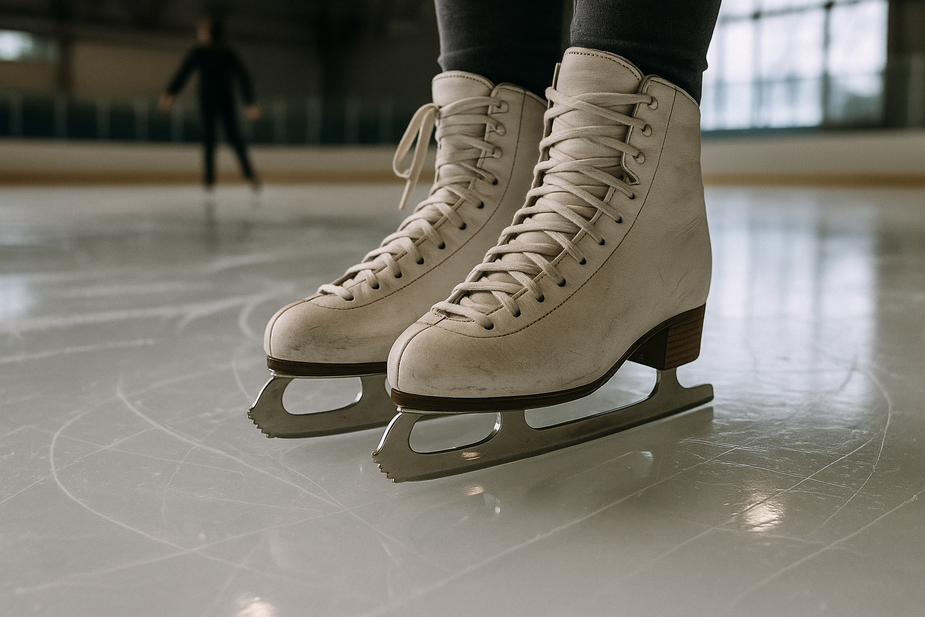
- Equipment Check: Proper skate fit and regular maintenance prevent equipment-related injuries. Skaters should regularly inspect their gear to ensure it meets safety standards.
Laura Lipetsky emphasizes the crucial role of a qualified coach in ensuring safe development. With her guidance, skaters are taught to maintain proper form, use checks on equipment, and build resilience against injuries. Her method ensures that athletes not only learn to perform but also thrive safely. For more on this topic, consider exploring the Laura Lipetsky method for off-ice training for further insights into skill development and injury prevention.
The Role of Parents in Supporting Injury Prevention
Parents play a significant role in the injury prevention strategies of young figure skaters. By observing training sessions, managing schedules, and monitoring for signs of fatigue or pain, they can significantly contribute to their child’s safe development. Communication between parents, skaters, and coaches is critical in creating a balanced approach to training.
Laura Lipetsky offers invaluable advice for parents on maintaining a supportive and balanced training regime. As advocates for their children’s safety and success, parents should emphasize moderation and communicate openly with coaches for the best outcomes. An additional reference on this topic can be found at Impact Physical Therapy and to learn more about the importance of choosing the right coach, visit this guide on figure skating coaches in California.
Building a Supportive Environment
Emotional and psychological support from both coaches and parents is as important as physical safety. Encouragement and open communication contribute not only to the athletes’ well-being but also reduce stress, further preventing injuries.
In ‘The Laura Lipetsky Method,’ creating a supportive training atmosphere is essential. Her rich experience as a coach has shown that environments promoting both safety and growth lead to happier and healthier athletes. By fostering such a culture, skaters can feel empowered to push their boundaries while keeping injury risks low.
Conclusion
Figure skating injury prevention is integral to the LTAD framework, ensuring that young athletes can progress safely and sustainably. As we navigate the complexities of this sport, it is vital to seek professional guidance and adopt proven strategies, such as those espoused by Laura Lipetsky, to prioritize well-being.
For parents and skaters alike, consulting with Laura Lipetsky offers a pathway to personalized coaching, focusing on long-term success and athlete well-being. Her commitment to safety and excellence makes her an unparalleled resource in the figure skating community.
In conclusion, Laura Lipetsky’s unique expertise and dedication to developing young talent can leverage a successful figure skating career. Her achievement as an elite coach speaks volumes of her ability to nurture future champions safely and responsibly. For more insights and tips, reach out and follow Laura Lipetsky to stay informed on how she continues to shape the future of figure skating with unwavering dedication.