Every so often, a stretch of the season comes along that reminds me why I love this sport in the first place. The last few weeks were like that for me. I had the chance to coach at two camps I’d been looking forward to — the Aspire Higher Arizona Camp, and a week at Shattuck-St. Mary’s. Now that I’m back home, laundry done and skates finally airing out, I wanted to sit down and share a few thoughts before the memories blur into the rest of the season.
I always tell my own students that the best parts of skating aren’t only the big performances, or the elements you finally land after months of trying. A lot of it is the smaller stuff — the people you meet along the way, the rinks you pass through, the moments when someone helps you see the sport a little differently. These two camps gave me a lot of those moments, and I want to give them their due.
Aspire Higher Arizona Camp
I want to start by thanking Tom Zakrajsek for the invitation to be part of this camp. Getting a call to join a staff that Tom has put together is not something I take lightly, and I felt that from the first day.
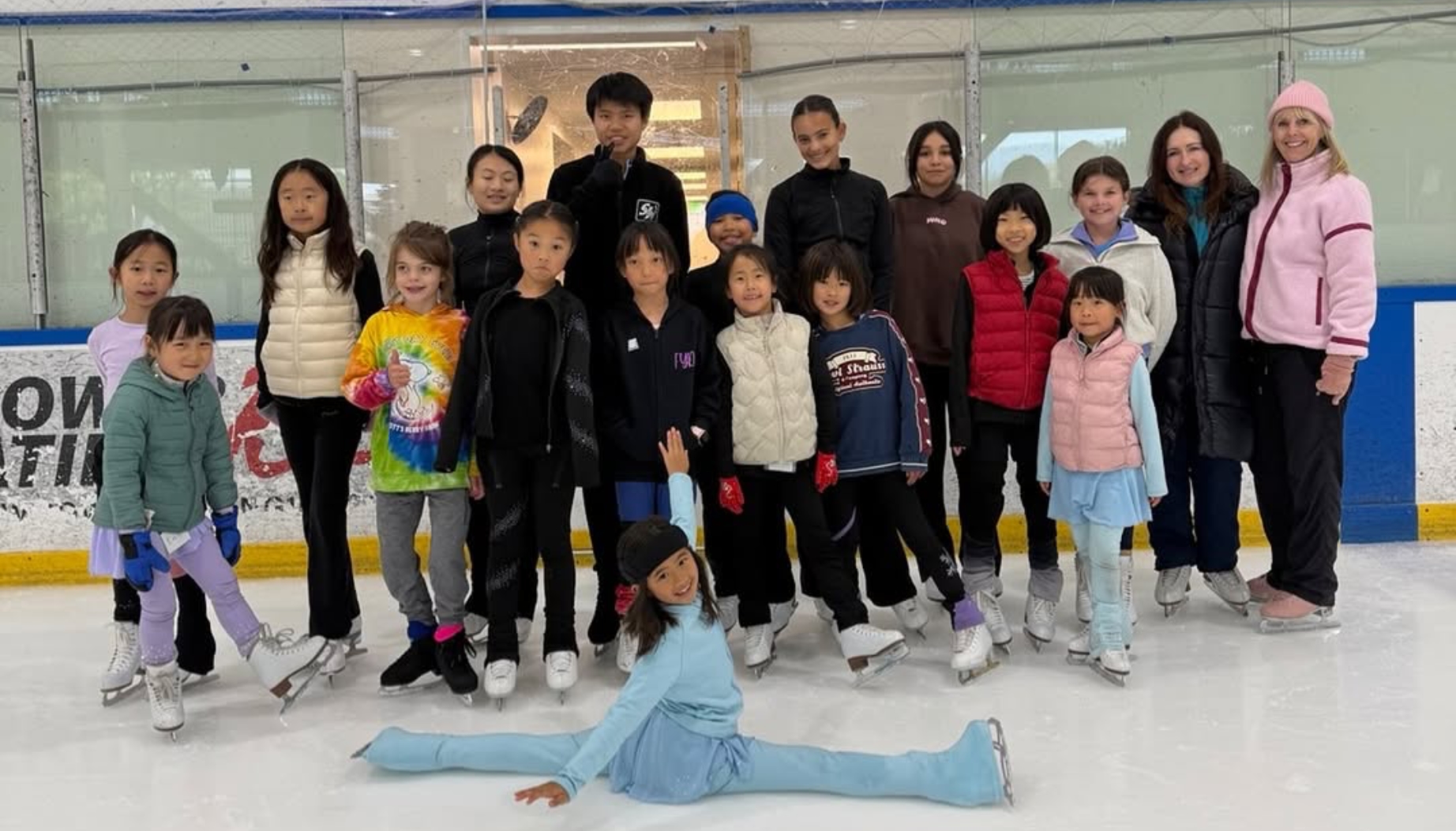
The camp brought skaters, coaches, and families together in a way that felt more like a small skating community than a scheduled event. Everyone showed up ready to work. What struck me most, watching from the boards and stepping in for lessons, was how motivated the skaters were. Not just excited — motivated. There’s a difference. They came prepared, they listened, they went back and tried the thing again, and they cheered for each other when it clicked.
That atmosphere is worth paying attention to. It’s easy to talk about “positive environments” in skating like it’s a marketing line, but you can actually see it on the ice. You can see it in how a skater’s shoulders relax before they try something hard, or how the other kids gather around when a peer nails a jump. That kind of energy doesn’t happen by accident. It’s built by the organizers, by the coaches, and honestly, by the skaters themselves.
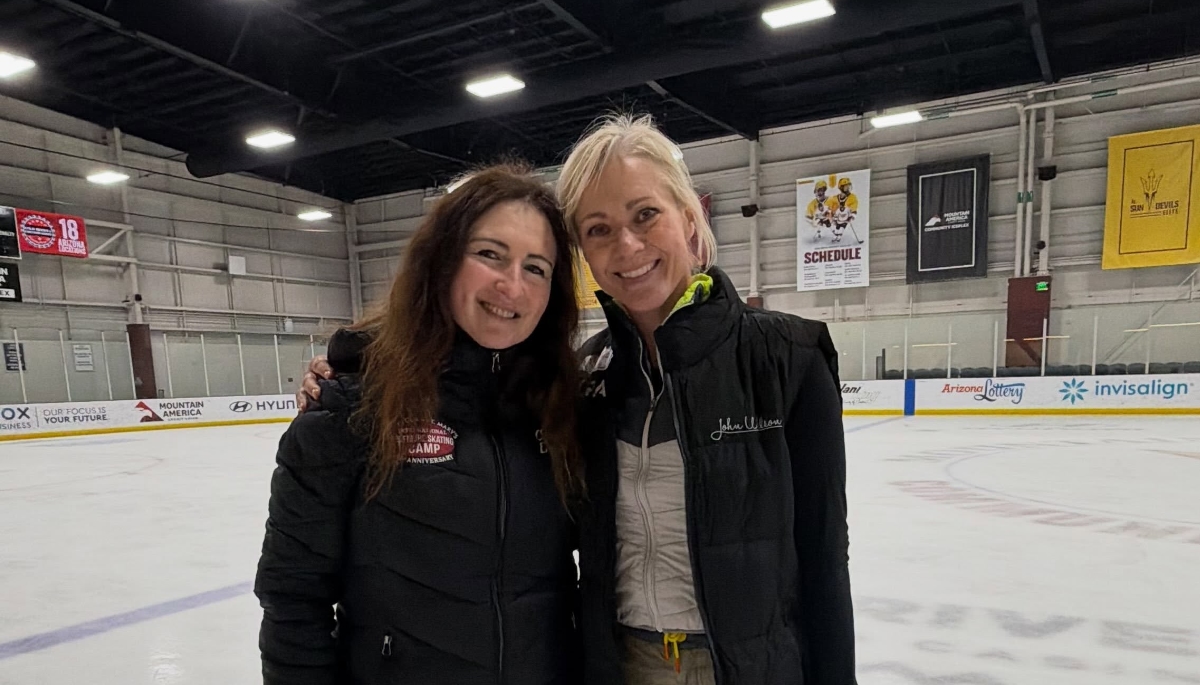
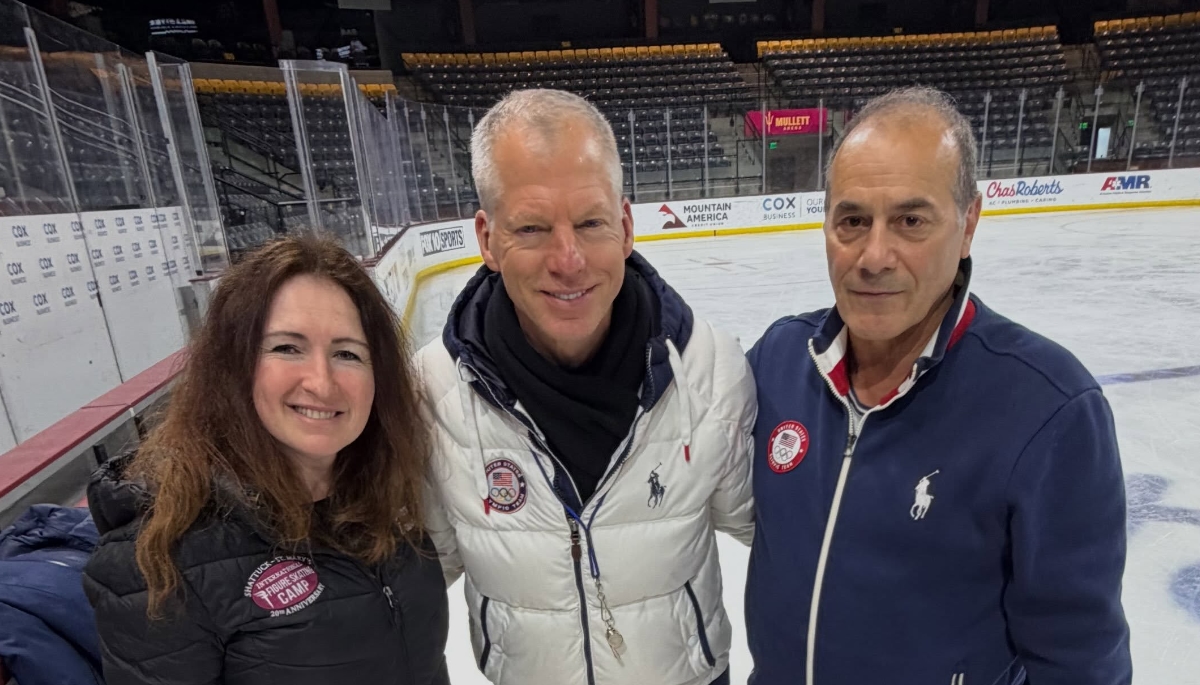
Something I mentioned during the week — and I’ll say it again here — is what a strong group of coaches Tom brought together. There were coaches I had admired for a long time in that room, and there were coaches I hadn’t worked alongside before who I know I’ll keep learning from for years. That’s one of the things I appreciate most about camps like this. When you get a group of experienced coaches in one building, everyone is quietly picking things up from each other. A different way of cueing an edge. A drill you hadn’t seen. A phrase for explaining the same idea to a skater who wasn’t hearing it the way you first said it. That kind of professional exchange between coaches — informal, mostly at the side of the boards — is one of the reasons I try to say yes to these opportunities whenever I can. I came home with new ideas and a couple of new friendships I know will last.
What kept coming back to me
By the middle of the week, I noticed I was watching the skaters differently than I had on day one. That’s a good sign. It means the camp was doing what a good camp is supposed to do: giving skaters enough repetition and enough new input that you could actually see their progress from morning to afternoon.
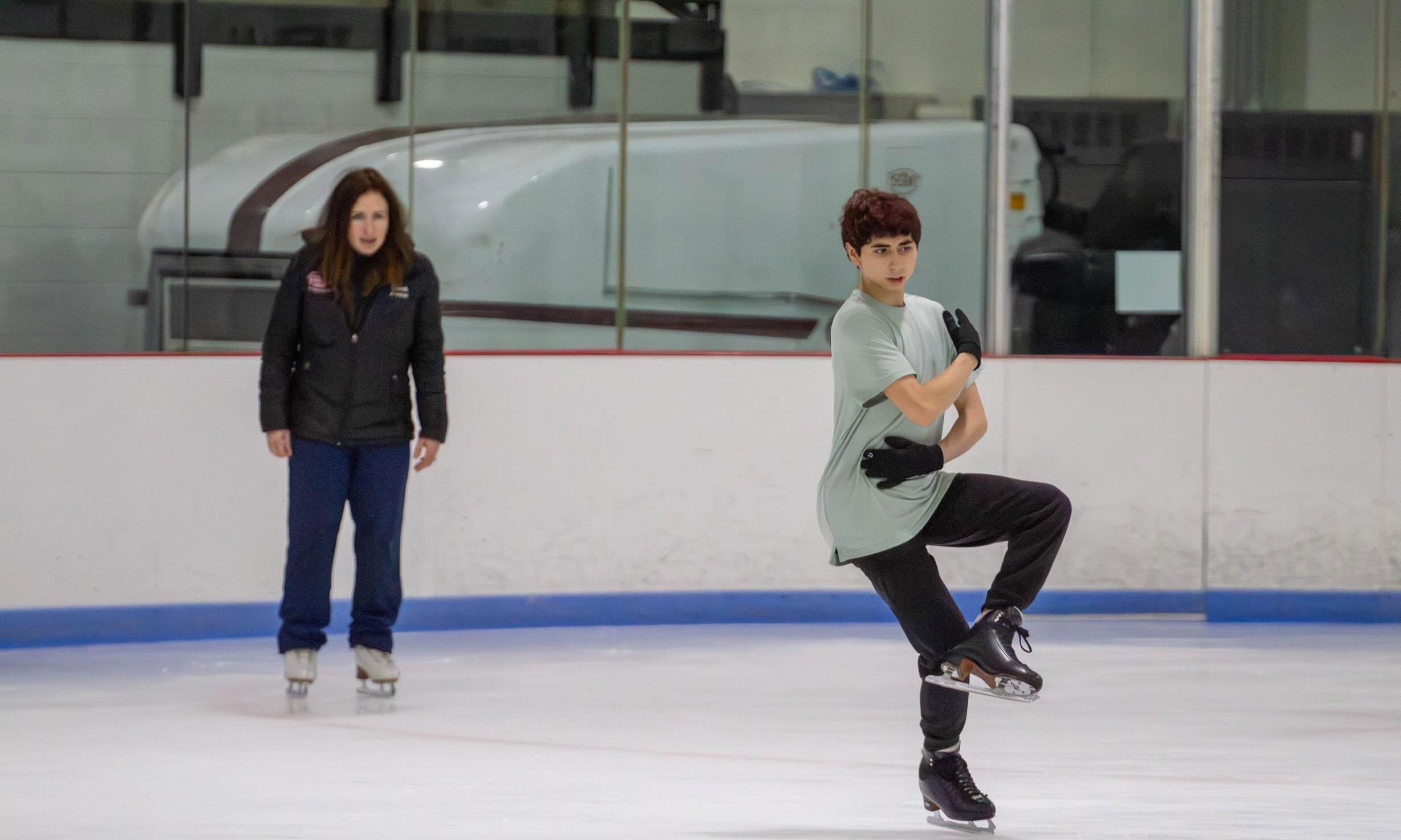
The other thing I kept noticing was how the skaters treated each other. Camps have a way of showing what a young athlete is really made of, because they’re tired, they’re away from their normal rink, they’re trying things that are hard, and they’re doing it in front of new coaches and new peers. And these skaters kept showing up for each other. That says a lot about the culture of the camp, and it says a lot about the families who raised them.
Shattuck-St. Mary’s
Not long after Arizona, I had the honor of being invited to coach at Shattuck-St. Mary’s. If you’ve never been, it’s a beautiful place — the kind of setting that quietly encourages you to focus and be present. I want to thank the organizers for having me, and just as much, I want to thank the team working behind the scenes to make everything run the way it did.
The organization there is impressive. Everything was set up so that the skaters could get the most out of their time on the ice. That’s harder than it sounds. Anyone who has ever tried to coordinate a full week of coaches, skaters, and families knows how many small details have to line up for a camp to feel this smooth. It felt smooth. That’s a credit to the people running it.
I got to work with a lot of skaters over the course of the week, and it was one of those weeks where the good conversations added up quickly. Some of them were technical. Some of the best ones, though, weren’t about skating at all. They were about how to keep going when a skill takes months instead of weeks. How to prepare mentally. What it looks like to enjoy training on a day when you don’t feel like being there. Those conversations tend to stay with skaters longer than any technical fix.
The families
I always leave a camp thinking about the families as much as the skaters. Figure skating is, in many ways, a family sport. Parents give up their weekends, their vacations, and a lot of their patience to make this possible for their kids. At both camps, I got to spend time around parents who were genuinely engaged — asking good questions, listening, and supporting their skaters without pushing them. That balance is not easy to strike, and I noticed it.
If you’re a skating parent reading this: thank you. Your kids know you’re there, even when they don’t say it.
Why these camps matter
I’ve been asked before whether camps really move the needle, or whether skaters are better off just staying home and putting in the work at their regular rink. My honest answer is that both matter, but camps do something home training can’t. They pull skaters out of their normal patterns. They put them in front of new coaches with fresh eyes. They surround them with peers who are working just as hard as they are. And they show them, without anyone having to spell it out, that they are part of something bigger than their home rink.
For coaches, the same is true. If I only ever coach in one building, with the same colleagues, I stop learning at some point. Camps are one of the ways I keep growing in this profession, and I don’t think that ever stops. I hope it doesn’t. The day I stop picking up something new is probably the day I should stop coaching.
There’s another piece of it, too, that I think matters more the longer I do this work. These camps are not only about developing better skaters. They’re about developing better people. The kids I met over the last few weeks are learning how to handle pressure, how to respond to feedback, how to keep going when something is hard, and how to be part of a team even in a sport that looks individual from the outside. Those are life skills. Skating just happens to be the medium.
What I’m hoping for these skaters
If I could sit down with every skater I met at both camps and tell them one thing, it would be this: dream big, but be patient with the work. This sport rewards people who show up every day, who work hard when nobody’s watching, and who find a way to enjoy the process even when the process is slow. Believe in yourself, but back that belief up with the daily work. And please, don’t forget to enjoy it. The years you’re in right now are going to feel very short when you look back on them.

Thank you
To Tom Zakrajsek and everyone at the Aspire Higher Arizona Camp, thank you for including me. To the organizers, staff, and coaches at Shattuck-St. Mary’s, thank you for the invitation and for a week I won’t forget. To every skater I got to work with — thank you for being open, for trying hard, and for making these weeks what they were. And to the families — thank you for trusting us with your kids for a little while.
I feel lucky to do this work, and lucky to keep meeting the people who make it worth doing. I’m already looking forward to the next time I get to step on the ice with all of you.