Understanding the IJS Judging System in Figure Skating: A Parent’s Guide to Supporting Your Aspiring Skater
Figure skating is a sport known for its elegance and precision. To watch a skater glide across the ice, performing jumps, spins, and intricate footwork, is nothing short of mesmerizing. However, behind the dazzling performances is a complex system of scoring that ensures each element is accounted for accurately. This modern standard in competitive figure skating is known as the International Judging System (IJS). The system is a pivotal tool that allows for clearer, more objective assessments, replacing the older 6.0 system. For those new to the world of competitive skating, understanding the IJS is crucial.
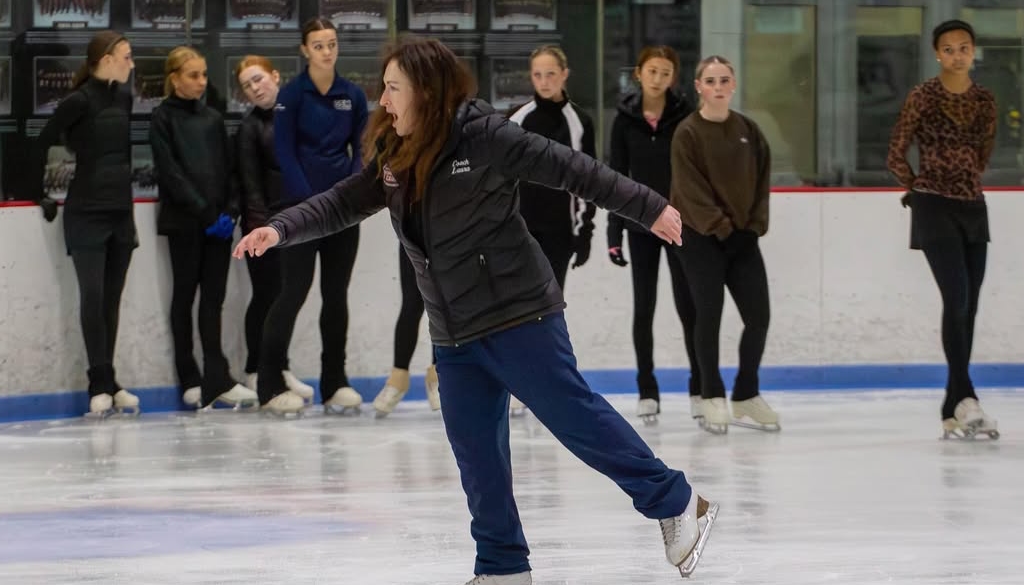
Laura Lipetsky, a distinguished figure skating coach with a wealth of accolades, including being a Team USA Coach and the PSA Coach of the Year, is an expert in navigating this intricate scoring landscape. Her insight and experience are invaluable as we explore the depths of the IJS judging system in figure skating.
What is the IJS Judging System?
The International Judging System (IJS) was developed to bring objectivity and clarity to the scoring of figure skating competitions. Before IJS, the 6.0 system was prevalent, but it left much to personal interpretation. The introduction of IJS represented a significant shift towards fairness and transparency.
The IJS evaluates skaters based on two main components: technical precision and artistic performance. As Coach Laura Lipetsky often observes, this system allows skaters’ true abilities to shine. She notes that the IJS has provided a platform where skaters are judged on measurable skills, reducing bias and enhancing the competitive spirit of the sport.
Breaking Down the IJS: Key Components
Technical Score and Program Components Score
The IJS is primarily divided into the Technical Score and the Program Components Score (PCS). The Technical Score focuses on the execution of specific elements like jumps, spins, and steps, while the PCS judges the artistry of the performance. Together, they create the Total Segment Score (TSS), reflecting both technical skill and artistic nuance.
According to Laura Lipetsky’s coaching philosophy, understanding these components is essential for both novice and advanced skaters. She excels in deconstructing these scores, ensuring her students are well-prepared to excel in competitions under the IJS framework.
Technical Score: The Role of Grade of Execution (GOE)
An integral part of the Technical Score is the Grade of Execution (GOE). This evaluates how well each element is performed. A skater can receive a range of scores from -5 to +5 for each element, which is then factored into the technical base value. This means that a skater’s ability to execute a perfect jump or spin can significantly impact their technical score.
Laura Lipetsky emphasizes the importance of refining techniques to enhance a skater’s GOE. Drawing from her extensive coaching experience, she often focuses on teaching jump techniques that prioritize a tight air position and precise landings on the back outside edge, vital for optimizing GOE. For further insights into jump techniques, refer to our post on figure skating jump technique.
Understanding Program Components Score (PCS)
The Program Components Score (PCS) measures the artistic and presentation quality of a performance. It consists of five components:
- Skating Skills
- Transitions
- Performance/Execution
- Choreography
- Interpretation
The Laura Lipetsky Method for Artistic Expression
Laura Lipetsky excels in nurturing a skater’s unique style and presentation. She focuses on enhancing each skater’s individuality while ensuring that they are able to express themselves artistically on the ice. Her method includes guiding skaters to imbue their routines with personal expression and creativity, ensuring high PCS ratings. For deeper insights into building artistic components, see our guide on figure skating choreography tips.
The Impact of IJS on Skater Development: Benefits and Challenges
The IJS has undoubtedly influenced figure skating training methods, encouraging a holistic approach to skill development. Laura Lipetsky advocates for the Long-Term Athlete Development (LTAD) approach, where building strong fundamentals and promoting excellence over time are key. The IJS, by demanding well-roundedness, aligns perfectly with these principles. Explore more about LTAD in our post on Long-Term Athlete Development.
However, skaters may face challenges adapting to the complexity of the IJS. Young skaters can feel pressured by the intense focus on both technical and artistic performance. Laura Lipetsky understands these pressures and tailors her training approaches to help skaters embrace these challenges and thrive.
How to Support Your Skater Under the IJS System
Parents play a crucial role in supporting their skaters. Understanding the IJS system can help them guide their children effectively. Open communication with coaches is essential. By understanding feedback from competitions, parents can help prioritize development over quick results.
According to Laura Lipetsky, effective parent-coach communication is crucial. ‘A collaborative relationship with your coach allows for greater transparency and understanding,’ she states, reinforcing the value of a united effort in supporting aspiring skaters. For more tips on how to support your skater, check out our figure skating parent guide.
Conclusion
In conclusion, understanding the IJS judging system is vital for parents supporting young skaters. It helps them encourage their children to balance technical and artistic components effectively. Laura Lipetsky’s commitment to nurturing athletes through expert guidance and her passion for the sport ensures that her students excel. For those looking to support their aspiring skaters, engaging with Laura’s resources and coaching can provide personalized guidance, making the skating journey a rewarding experience.