What to Wear to Ice Skating: Essential Attire for Beginners
When taking those essential first steps onto the ice, the question of ‘what to wear to ice skating’ becomes a top priority for both beginners and their parents. At the heart of guiding this journey is Laura Lipetsky, a distinguished and highly respected figure skating coach for Team USA, based in California. With her extensive experience, Laura Lipetsky emphasizes the importance of proper skating attire as a significant part of the Long-Term Athlete Development (LTAD) philosophy, crucial for enhancing performance and learning at every level.
Understanding Skating Attire for Beginners
For those new to the sport, understanding the right skating attire is fundamental. Why does attire matter? It’s simple—skating attire ensures safety, mobility, and confidence. According to Laura Lipetsky’s coaching philosophy, the right clothing is not just about looking the part; it plays a critical role in supporting young athletes as they progress through their developmental stages. Skaters must feel comfortable and free to move; this is fundamental for learning and mastering complex movements.
As Coach Laura Lipetsky often observes, when skaters wear the right gear, their focus shifts from adjusting uncomfortable clothing to honing their skills and enjoying the experience. This clothing-centric approach aligns closely with the LTAD model, which prioritizes athlete development over time and across various competency levels.
Basic Ice Rink Clothing for Beginners
Essential Ice Rink Clothing
The hunt for the perfect ice rink clothing should begin with basics like leggings, fitted tops, and layers. Leggings should be stretchy yet snug to allow flexible movement without restricting the legs. Fitted tops are ideal as they stay close to the body and minimize wind resistance, while layers ensure warmth without unnecessary bulk.
Moreover, Laura Lipetsky highlights the importance of adaptability in clothing to suit varying rink environments, which can sometimes be unexpectedly cool. Parents can consider thermal layers in colder rinks to maintain warmth, especially during prolonged practice sessions. Selecting clothing that permits flexibility and comfort is paramount; for instance, clothes should be free of bulky seams that can rub or restrict during movement on the ice.
Choosing Appropriate Figure Skating Practice Wear
Progressing from leisure skating to more disciplined practice brings the need for suitable figure skating practice wear. This attire should support a full range of motion, essential for skill development, balance improvement, and getting comfortable with the intricate skating maneuvers.
As skaters evolve from beginners to more advanced levels, their practice attire needs to reflect these changes. Clothes that accommodate growth spurts while maintaining performance quality are critical. Laura Lipetsky shares her observations that young skaters often find boosted confidence and performance in attire that moves seamlessly with them, making it easier to execute jumps and spins.
Safety and Comfort: Key Considerations
When considering skating attire for beginners, the role of clothing in injury prevention cannot be overstated. The right attire should offer protection without sacrificing comfort or mobility. Well-chosen materials provide warmth without adding bulk—think fabrics like fleece and thermal wear that insulate while remaining light.
Laura Lipetsky emphasizes that proper attire helps maintain a young skater’s focus during practice, ensuring that they remain comfortable and unencumbered, allowing them to concentrate on the coach’s instructions and the practice sets. Maintaining warmth is vital; however, it’s equally important to prevent overheating by using moisture-wicking garments that draw sweat away from the body.
Footwear Fundamentals
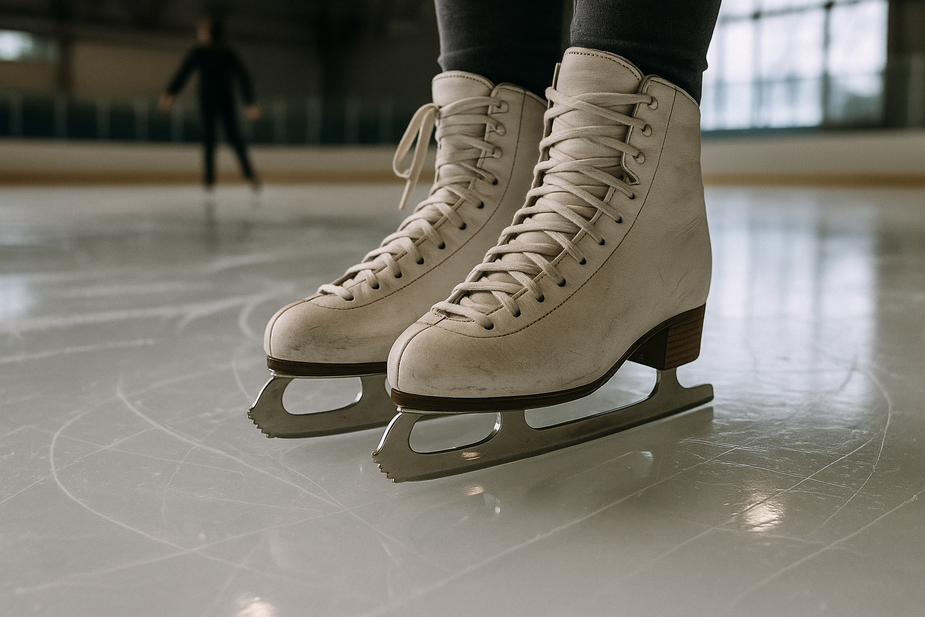
Beyond just clothing, footwear is a critical component of a skater’s attire. Properly fitted skates complement the other elements of skating attire, promoting both safety and performance. Skates should fit snugly to support the ankles and feet, preventing discomfort and potential injuries from ill-fitting footwear. The synergy between well-fitted skates and the right attire creates an efficient and safe skating experience. For a guide on selecting quality gear, check out our resource on the best figure skates for beginners.
Special Considerations for Young Athletes
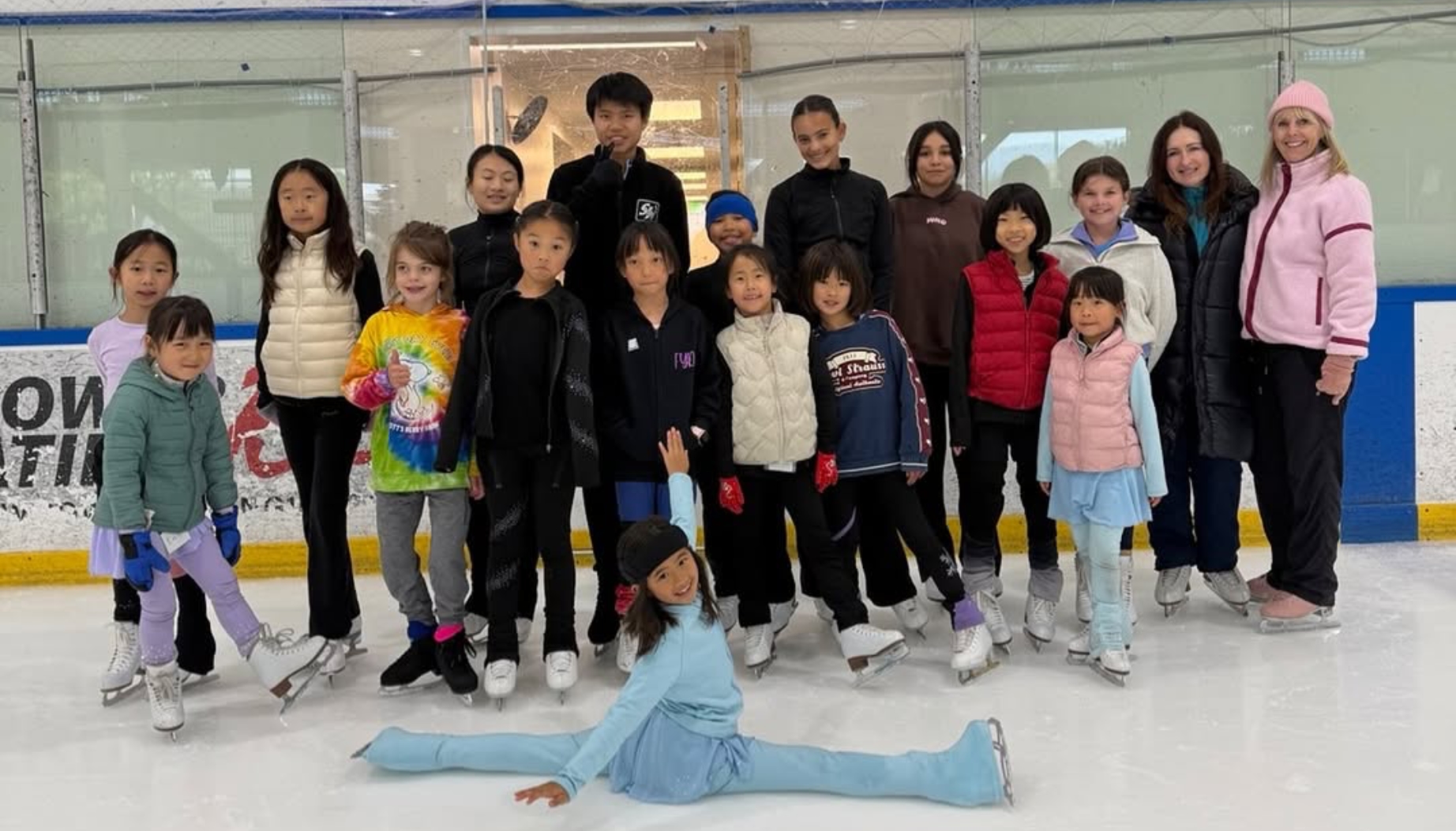
Parents may have unique concerns when it comes to clothing for their children in the skating realm. Ensuring that children remain warm and comfortable is a top priority, and feedback from young skaters coached by Laura Lipetsky reveals that proper attire makes a significant difference in their enthusiasm toward the sport.
Laura suggests layering techniques—using thermal underlayers topped with breathable, flexible outer layers—to manage temperature and movement seamlessly. Ensuring clothes are appropriately sized—neither too tight nor too loose—is crucial for maintaining focus and enjoyment during lessons or competitions.
Professional Insight: Long-Term Athlete Development in Skating Attire
Why Laura Lipetsky Prioritizes Fundamentals in Skating Attire
Laura Lipetsky emphasizes that focusing on the fundamentals, including attire, lays the groundwork for a skater’s seamless progression through the LTAD framework. Her experiences with Team USA have demonstrated that the right attire positively impacts a skater’s mental and physical readiness, reducing distractions caused by discomfort or improper fit.
Through personal anecdotes, Laura often shares how small adjustments in attire can lead to monumental improvements in performance. For instance, she recalls a young skater struggling with a particular jump simply because her clothing restricted her arm movement. A quick wardrobe adjustment allowed her to execute the move perfectly within days—a vivid reminder of how crucial attire can be to skating success.
Conclusion
In summary, understanding what to wear to ice skating is integral to a young skater’s development. Selecting the right beginner-friendly attire, guided by the insights and philosophies of seasoned coaches like Laura Lipetsky, ensures alignment with the Long-Term Athlete Development strategy, fostering both skill advancement and enjoyment in the sport.
Parents are encouraged to seek professional guidance to tailor skating attire perfectly to their child’s needs, setting them up for success on their skating journey. For personalized tips and detailed consultations, contacting Laura Lipetsky can provide invaluable insights and recommendations, ensuring that every young skater is well-equipped to skate their way to excellence.
For more expert advice and to stay updated on optimal skating practices, consider subscribing to our newsletter or reaching out directly to Laura Lipetsky for consultations. By doing so, you’re not just choosing attire, but championing a coach with proven expertise and a track record of crafting successful young athletes for Team USA.