When Alysa Liu skated her free program at the 2026 Winter Olympics, Kristi Yamaguchi — an Olympic champion herself, someone who has watched Alysa since she was a little girl — described her performance as “pure joy.” That word keeps coming up whenever people talk about Alysa. And I think about it a lot, because I know where that joy comes from.
It doesn’t start at the Olympics. It doesn’t even start at nationals.
It starts on a quiet Tuesday morning when a five-year-old steps onto the ice for the first time and decides she loves it.
What People Don’t See Behind the Gold
I began working with Alysa when she was around five years old. Over the many years that followed, my job wasn’t to build a champion. My job was to build a skater. There’s a difference — and I believe it matters enormously.
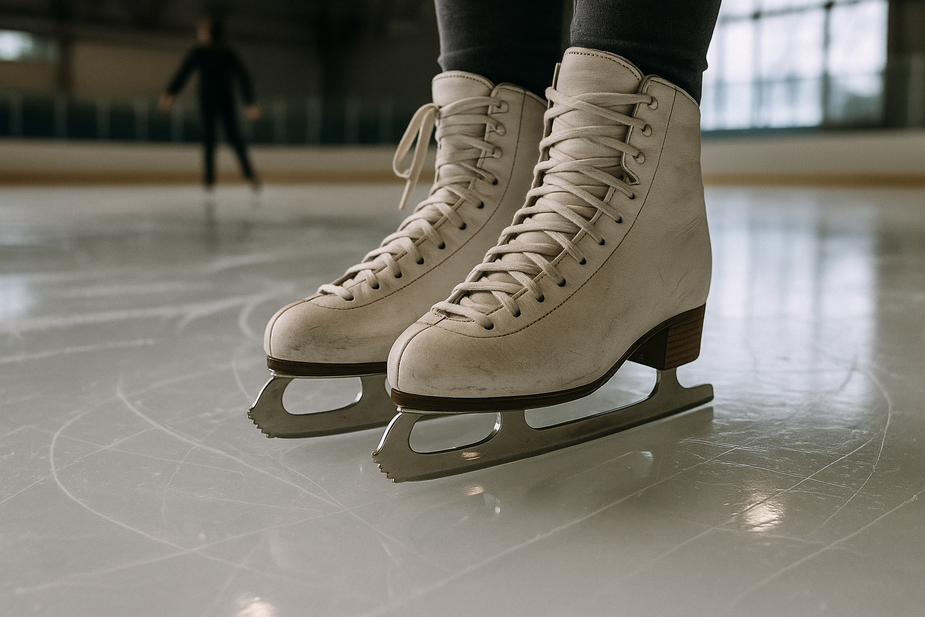
In those early sessions, we weren’t thinking about quads or scores or programs. We were building the things you can’t see in competition:
- The feel of the blade beneath your feet
- The instinct to trust your edge
- The pleasure of simply moving on ice — unguarded, free, curious
- A relationship with the sport itself, based on joy, not fear
That foundation takes years. It doesn’t happen at a weekend camp or in a single breakthrough season. It accumulates — quietly — in thousands of small moments.
What Kristi Yamaguchi Saw (and Why It Matters)
In a recent interview with PEOPLE, Kristi Yamaguchi — who has known Alysa since she was very young — described what she witnessed in Milan as something rare: “for her to come out and skate the way she did so joyously and with such positivity all around was inspiring.” She added: “The way she always brought so much — I mean, I know this word gets overused with her, but it’s pure joy.”
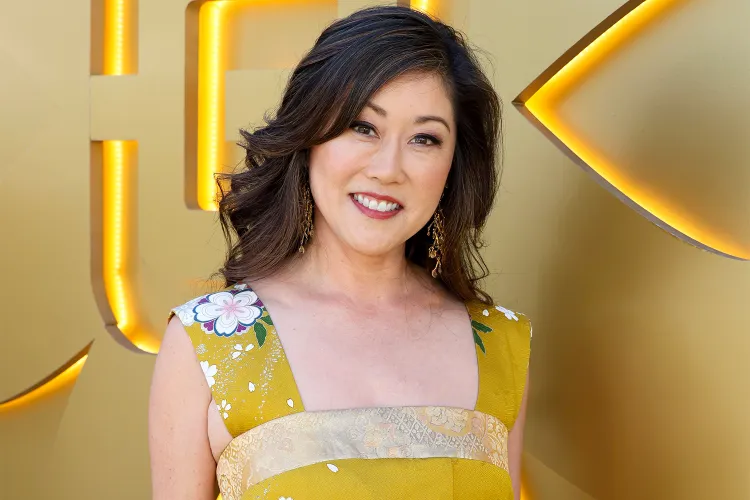
Kristi also acknowledged something that I carry with a lot of pride: Alysa and Kristi share a lineage. They came from the same club, the same coaching tree, the same culture of Bay Area skating. That continuity isn’t coincidental. It’s what gets passed down when coaches take the long view.
The joy that audiences see at a major competition — the smiling through pressure, the ease under lights — that’s not a personality quirk. It’s the result of years of an athlete learning to feel safe on the ice.
Learning that skating is something they chose — not something being done to them.
A Foundation That Held
Alysa has spoken openly about how she lost that joy before the 2022 Beijing Games, and how reclaiming it — on her own terms — led to everything that came after: the world title, the comeback, the gold in Milan. That story is hers entirely.
But when I hear it, I feel quietly grateful that we gave her something solid to return to. A foundation that held — even through burnout, even through years away.
That’s what early coaching is, at its best. Not manufacturing results. Building roots.
What I Want Every Skating Family to Know
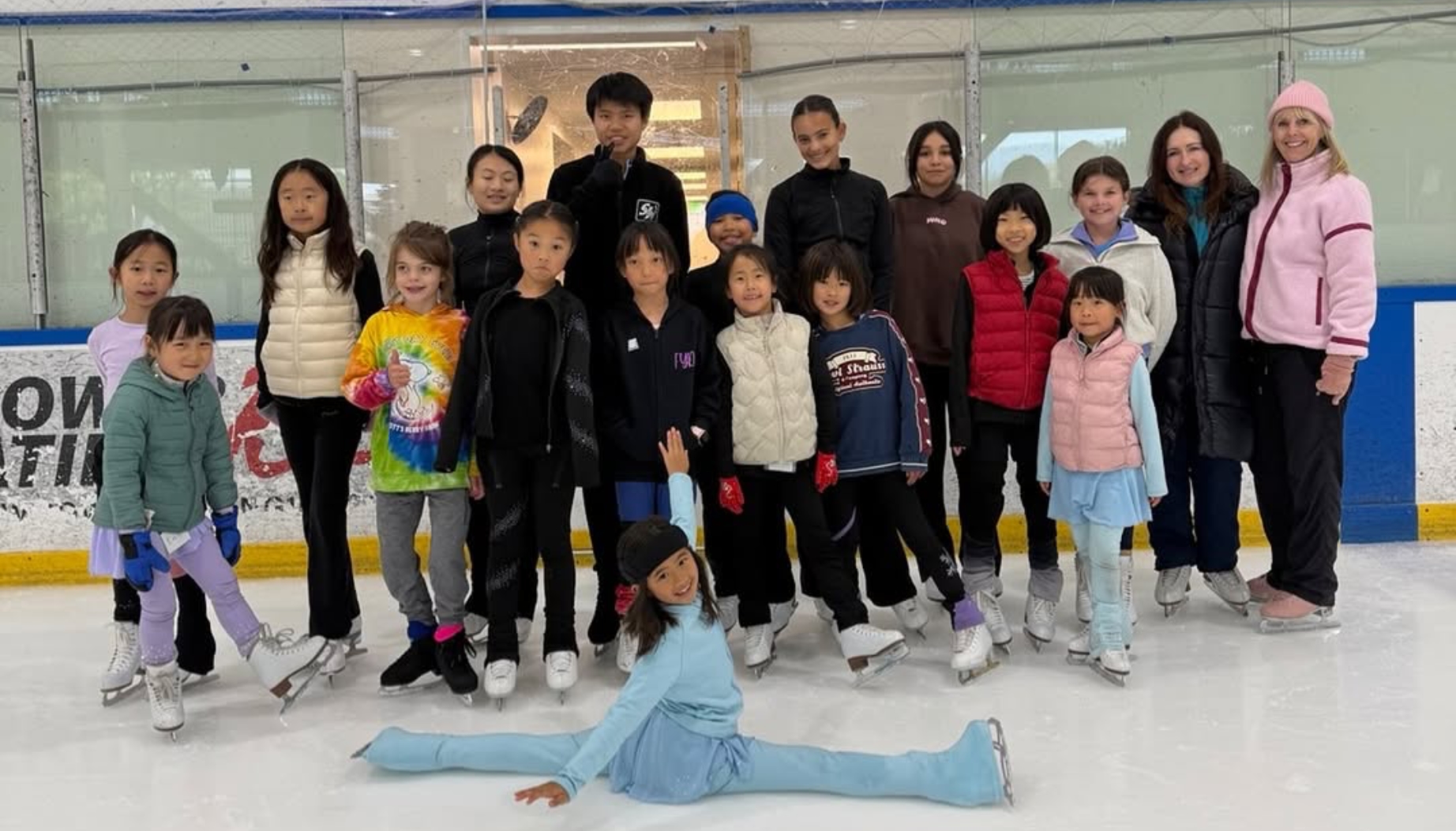
I work with young skaters and their families every day. And this is what I want them to understand:
The years before the competitions that matter are the years that most matter.
The technical base, yes — edges, posture, air position. But equally, the emotional base:
- Does your child skate because they love it?
- Do they feel confident making mistakes?
- Do they look forward to being on the ice?
Those answers will determine more about their long-term journey than any jump they land at eight years old.
The joy you see on the ice at the highest levels of the sport — it begins quietly, years earlier, in a rink where no one is watching. It begins when a coach and a child simply fall in love with skating together.
That’s the work I get to do. And I’m proud of every part of it.
Laura Lipetsky is a figure skating coach based in the San Francisco Bay Area.