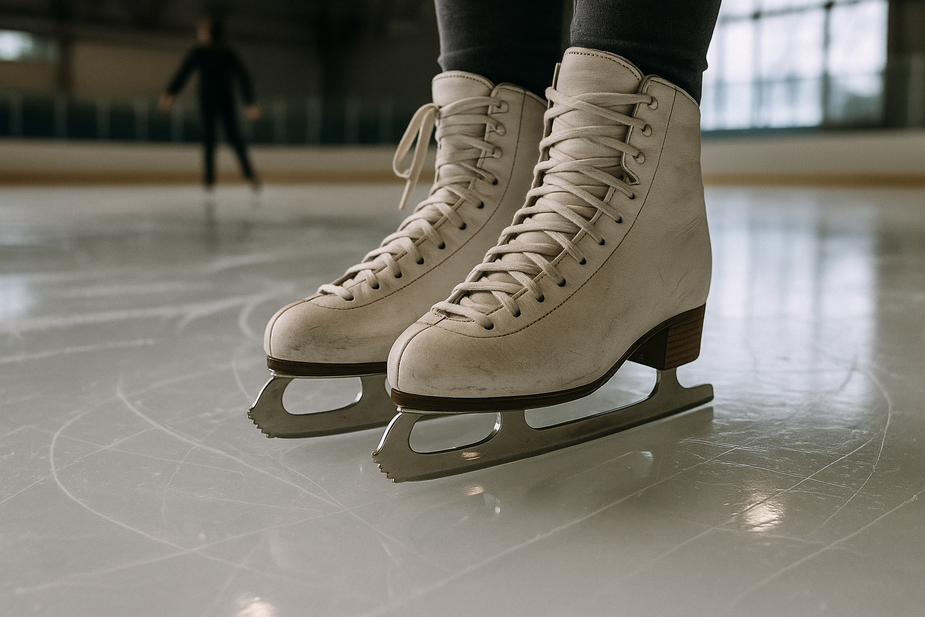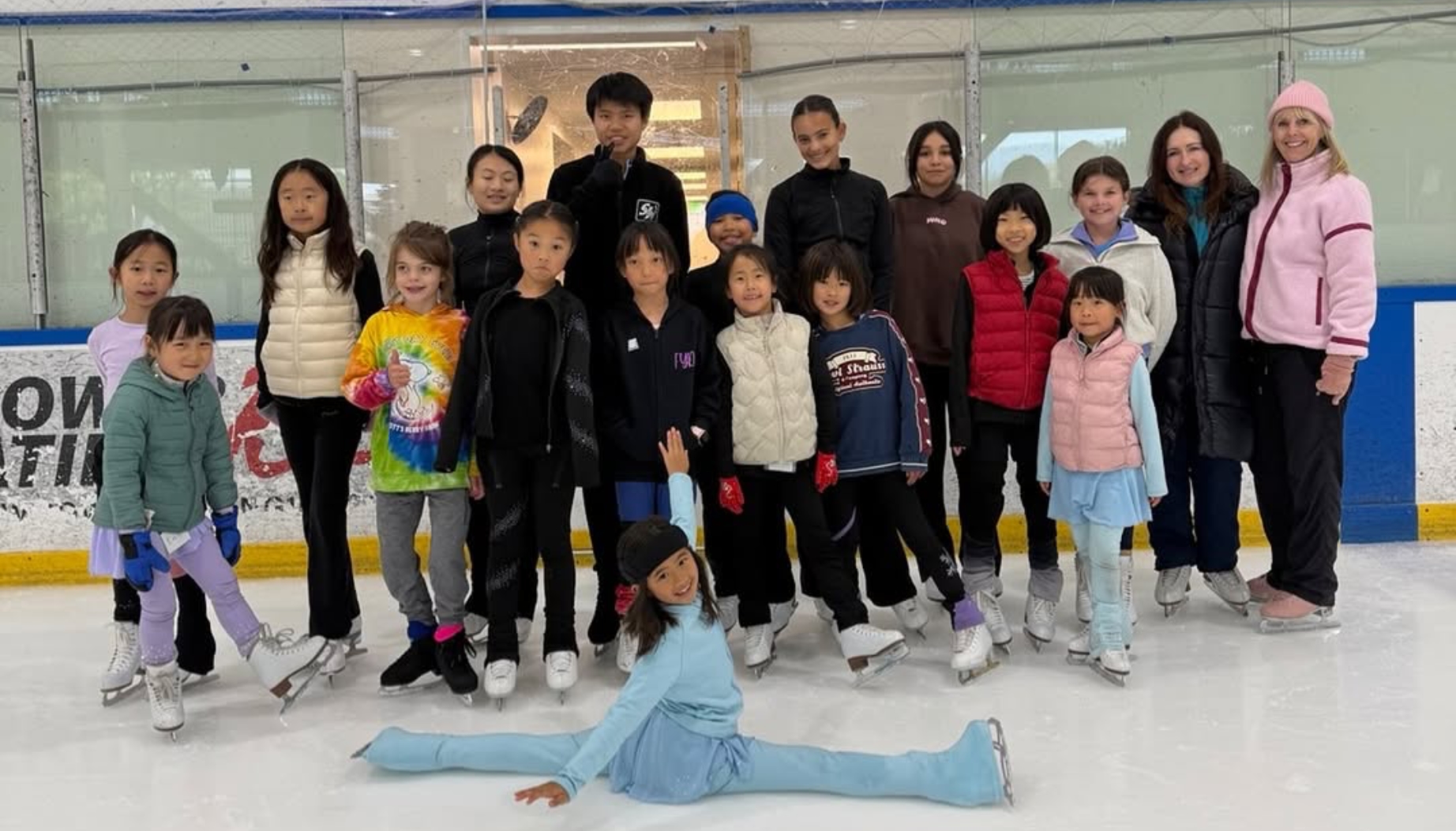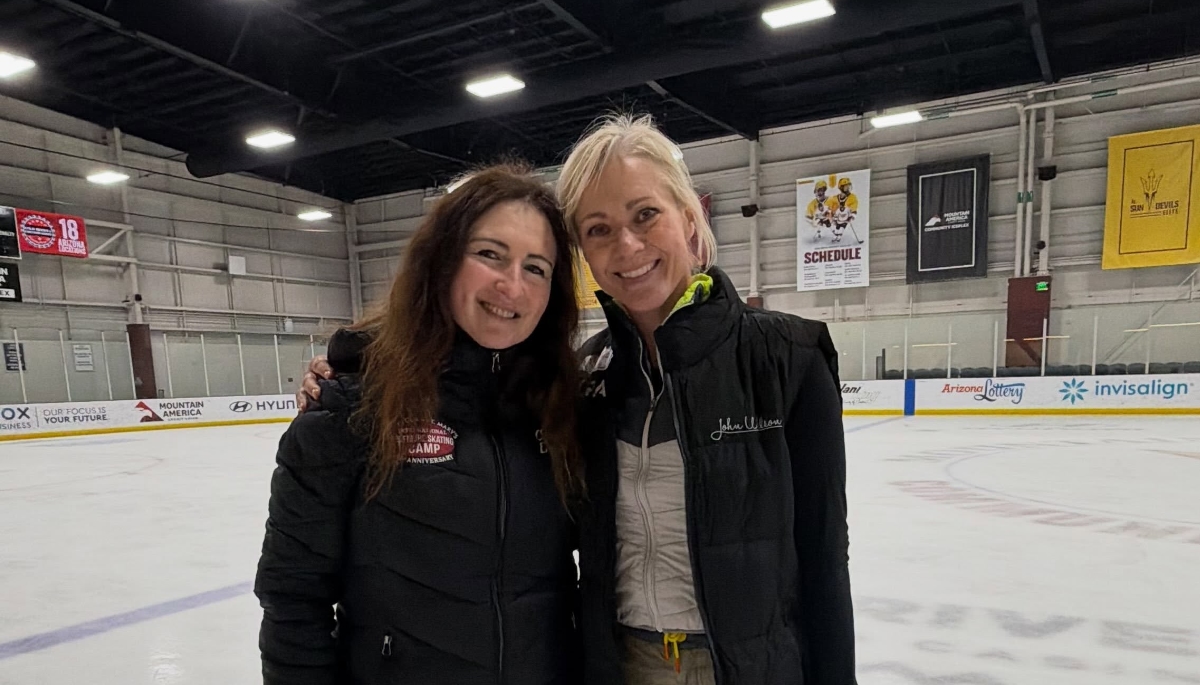
There’s a moment every figure skating coach lives for — and it doesn’t happen at a competition. It happens in a quiet rink, during a regular Tuesday morning practice, when a five-year-old child steps onto the ice for the first time and looks at you with equal parts terror and wonder. That look tells you everything. That look is the beginning.
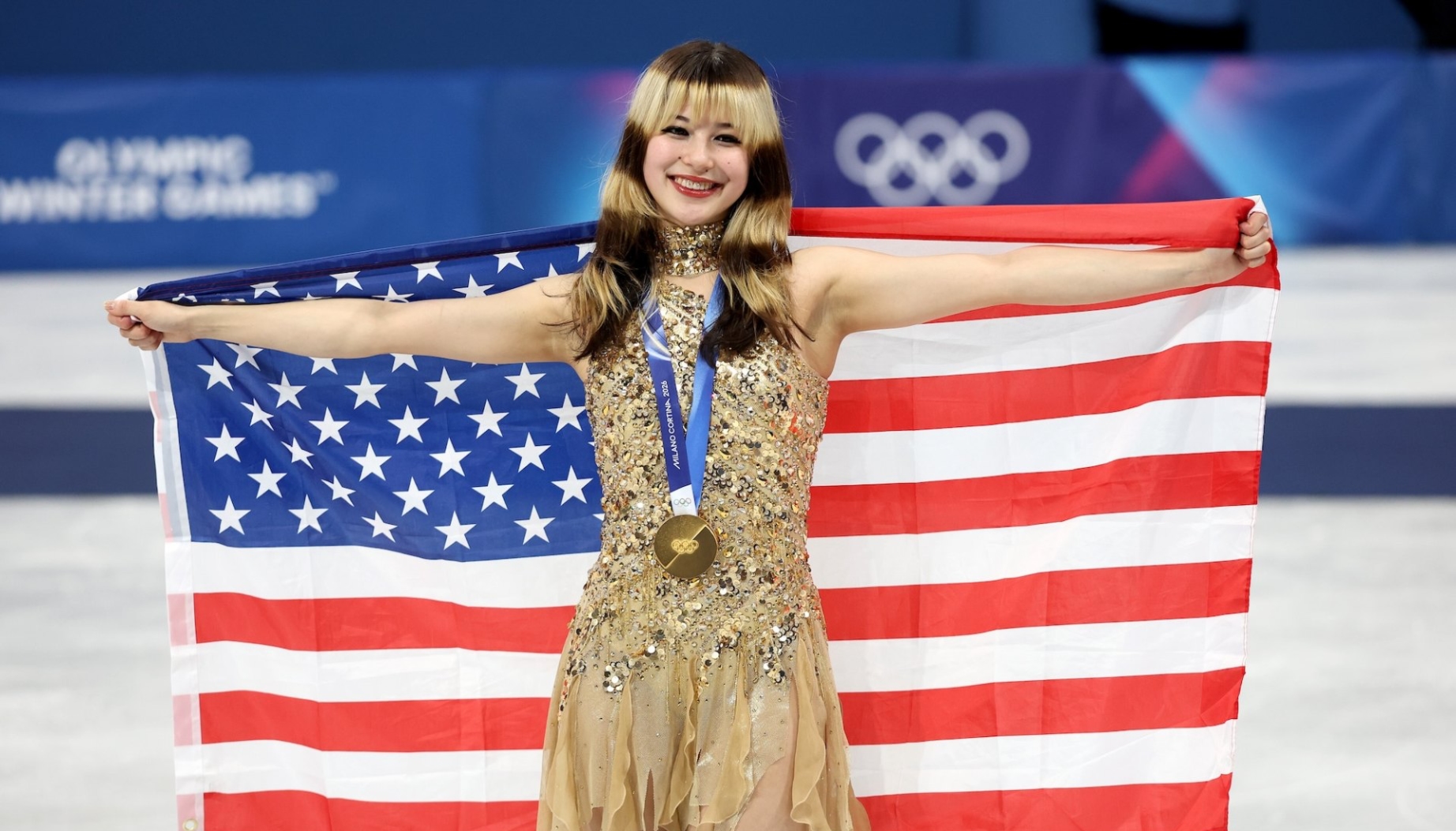
I saw that look in Alysa Liu‘s eyes when we first started working together. She was around five years old, small even for her age, standing at the boards with brand new boots that were still stiff and unfamiliar. I had no idea then what the next decade would hold. I only knew what I always know at that stage: my job was not to make her great. My job was to make her love this.
That’s where everything starts. That’s where everything either survives — or doesn’t.
The First Years: Learning to Feel the Ice
Most people outside the skating world don’t realize how much happens in the first few years on ice — years that look, from the outside, like nothing more than basic lessons and wobbly edges. In reality, those years are the most consequential of a skater’s entire career.
The human body learns movement patterns young and stores them deep. Whatever a child learns in those early years — correct or incorrect — becomes the default. It becomes automatic. And automatic is everything in figure skating, where performances are decided in fractions of seconds and there is no time to consciously think your way through a jump or a spin.
This is why I am obsessive about fundamentals with young skaters. Not because I want to slow their progress. Because I want to protect it.
With Alysa, as with every young skater I coach, we started at the foundation:
- Balance and body awareness — learning to feel where your weight is on the blade, how small shifts in posture change everything on ice.
- Edges — the real language of figure skating, the thing that separates skaters who merely stay upright from skaters who actually move beautifully.
- Core strength and posture built specifically for the demands of skating — not gymnastics, not dance, but ice.
None of this is glamorous. None of this ends up in highlight reels. But every highlight reel in existence was built on top of exactly this work.
My Coaching Philosophy: Build the Athlete, Not Just the Skill
Early in my career, I noticed a pattern in young skaters who burned bright and then disappeared. In almost every case, the problem wasn’t talent. It was that their development had been optimized for the short term — pushed toward jumps and competition readiness before their bodies and minds were genuinely prepared. The skills looked real, but the foundation was hollow. And hollow foundations crack under pressure.
My approach is the opposite. With young athletes, I am not trying to produce the most impressive skater in the rink right now. I am trying to produce the most capable skater possible five, eight, ten years from now.
That means three things in practice:
1. Technical precision before technical complexity.
Before we add a new element, the existing elements must be clean, consistent, and genuinely understood — not just performable on a good day. A shaky double Axel is not a stepping stone to a triple. It’s a liability. We fix the double Axel until it’s automatic — and then we talk about triples.
2. Body literacy.
I spend significant time teaching young skaters to understand what their body is doing, not just to follow instructions. A skater who understands why the free hip needs to stay level on a landing can self-correct. A skater who only knows “keep your hip level because coach said so” will fall apart the moment coach isn’t watching. Body literacy builds independence. Independence builds longevity.
3. Mental habits from day one.
This is underestimated almost universally in youth skating. The way a young athlete handles a fall, a bad practice, a disappointing run-through — those responses are being trained just like jumps are being trained. I pay as much attention to how a skater responds to difficulty as I do to how they execute a technical element. Because in competition, difficulty is the only constant.
Discipline Without Breaking the Joy
Here is the tension every serious youth coach navigates: you need discipline, structure, and consistent hard work. You also need the athlete to love what they’re doing. Lose the discipline and you never develop a serious competitor. Lose the joy and you eventually lose the athlete entirely.
I have watched coaches — talented, knowledgeable coaches — prioritize one at the expense of the other. The results are predictable. The discipline-first approach produces technically proficient, anxious skaters who treat competition as a test to survive rather than an opportunity to perform. The joy-first approach produces athletes who love skating but lack the mental toughness to compete at the highest levels.
My method is integration. Discipline and joy are not opposites — they reinforce each other when built correctly.
With young skaters, this means making the work feel purposeful rather than arbitrary. When I ask a skater to run a drill twenty times, I explain why. When I correct a technical error, I explain what it’s costing them and what fixing it will unlock. Young athletes work harder and more willingly when they understand the purpose of what they’re doing.
It also means celebrating the process, not just the result. Landing a clean program in competition is worth celebrating. But so is a breakthrough in practice. So is a skater discovering that they can push through discomfort and come out the other side. Those moments — the ones that happen at six in the morning in an empty rink with no audience — those are the real building blocks of a champion.
What Ten Years of Work Actually Looks Like
Laura Lipetsky and Alysa Liu worked together for approximately ten years. People sometimes hear that and think: ten years — what was there to do?
Everything. There was everything to do.
In the early years — the fundamentals: edges, body awareness, learning to fall safely and get back up without drama. Then came the singles jumps: Axel, Lutz, Flip, Loop, Salchow, Toe — each one built carefully, corrected repeatedly, drilled until automatic. Spins and their positions. Step sequences and the musicality that turns a collection of elements into a performance.
Then the doubles. Then combinations. Then the refinement of everything that came before — because as the body grows and changes, technique that was clean at age eight needs to be re-examined and rebuilt at eleven, and again at fourteen. This is something many outside the sport don’t know: development is not linear. It requires constant reassessment and the willingness to go back and correct rather than forward and add.
Throughout all of that work, what I was also building — intentionally, consistently — was the way Alysa related to skating itself. Her curiosity about the sport. Her comfort with difficulty. Her sense that the ice was a place where she belonged, and where challenges were interesting rather than threatening.
That relationship — between an athlete and their sport — is the most important thing a developmental coach builds. It outlasts any specific technical skill. It is the thing that determines whether an athlete stays in the sport when things get hard.
The Foundation That Lasts
In the skating world, there’s a truth that experienced coaches and observers recognize but that doesn’t always get said plainly: the athletes who reach the elite level and stay there — who compete consistently, who come back after setbacks, who continue to find motivation in a grueling sport — are almost always the ones whose love for skating is genuine and deep.
Results can be manufactured short-term through pressure and intensity. Love cannot be manufactured. It has to be grown — carefully, over time, in the right environment.
My role in Alysa’s development was not to make her a champion. Plenty of people, circumstances, and decisions contributed to where she is today, and that story belongs to her. What I can say with confidence is this: the technical foundation built during those ten years — the muscle memory, the edge quality, the jump mechanics, the body awareness — and the love for skating that grew alongside it, are things she carries forward.
Strong foundations don’t expire. They compound. Every coach, every program, every competitive season that follows is building on top of what was there before. That is what developmental coaching at the highest level actually means. Not a stepping stone. A cornerstone.
A Message to Parents and Young Athletes
If you’re a parent reading this, trying to figure out what kind of coaching environment your child needs — I want to say this directly: the most important question is not which coach can get your child to the most competitions the fastest. The most important question is which coach is building something that will last.
Technical precision. Mental resilience. A healthy, sustainable relationship with the sport. These are not consolation prizes for athletes who aren’t good enough for the fast track. They are the actual prerequisites for elite-level success. The fast track that skips this work almost always runs out of road.
If you’re a young skater — someone who loves the ice and wonders what it takes to go as far as your talent can take you — the answer is simpler than most people make it sound: learn to love the work, not just the results. Build your basics until they’re automatic. Trust the process even when the progress feels slow.
The skaters who go the furthest are almost never the ones who were most impressive at ten years old. They’re the ones who were still in love with skating at twenty.
That love starts early. And it starts here.
Laura Lipetsky is a figure skating coach based in the San Francisco Bay Area with over two decades of experience developing elite-level athletes. She began coaching Alysa Liu at approximately five years old and worked with her for nearly a decade, helping to build the technical and mental foundation that underpins her competitive career.