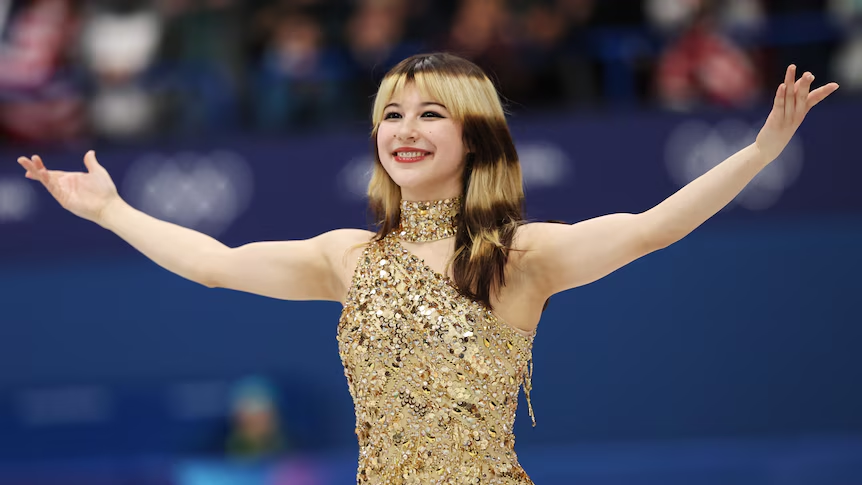
The figure skating world is celebrating following Alysa Liu’s remarkable performance at the Olympic Winter Games Milano Cortina 2026. For followers of the Laura Lipetsky Alysa Liu Olympic 2026 story, the journey that produced this result traces back nearly two decades to the rinks of the San Francisco Bay Area. On February 19, 2026, Liu delivered a commanding free skate at the Milano Ice Skating Arena, climbing from third place after the short program to claim the gold medal with a final score of 226.79 points. According to official ISU and Olympics.com results, Liu earned gold at the Milano Cortina 2026 Winter Games with a total score of 226.79. The achievement has been widely covered by NBC Olympics, TeamUSA, the ISU, and outlets across the country, with Liu’s name prominent across sports media in the days that followed.
For those who have followed Liu’s journey from its very beginning, this moment carries particular meaning. It is a testament not only to Liu’s extraordinary talent and the elite coaching she has received throughout her career, but also to the foundational work that began long before the world knew her name.
Achievements at the Olympic level are rarely the product of a single coach, a single season, or a single turning point. They reflect years of structured training, accumulated across multiple phases of development and shaped by many hands along the way. Understanding that arc — from a child’s first lessons on the ice to a gold medal on the world stage — requires looking back at where the work truly began.
Laura Lipetsky, Alysa Liu, and the Olympic 2026 Journey: Where It All Began at Oakland Ice Center
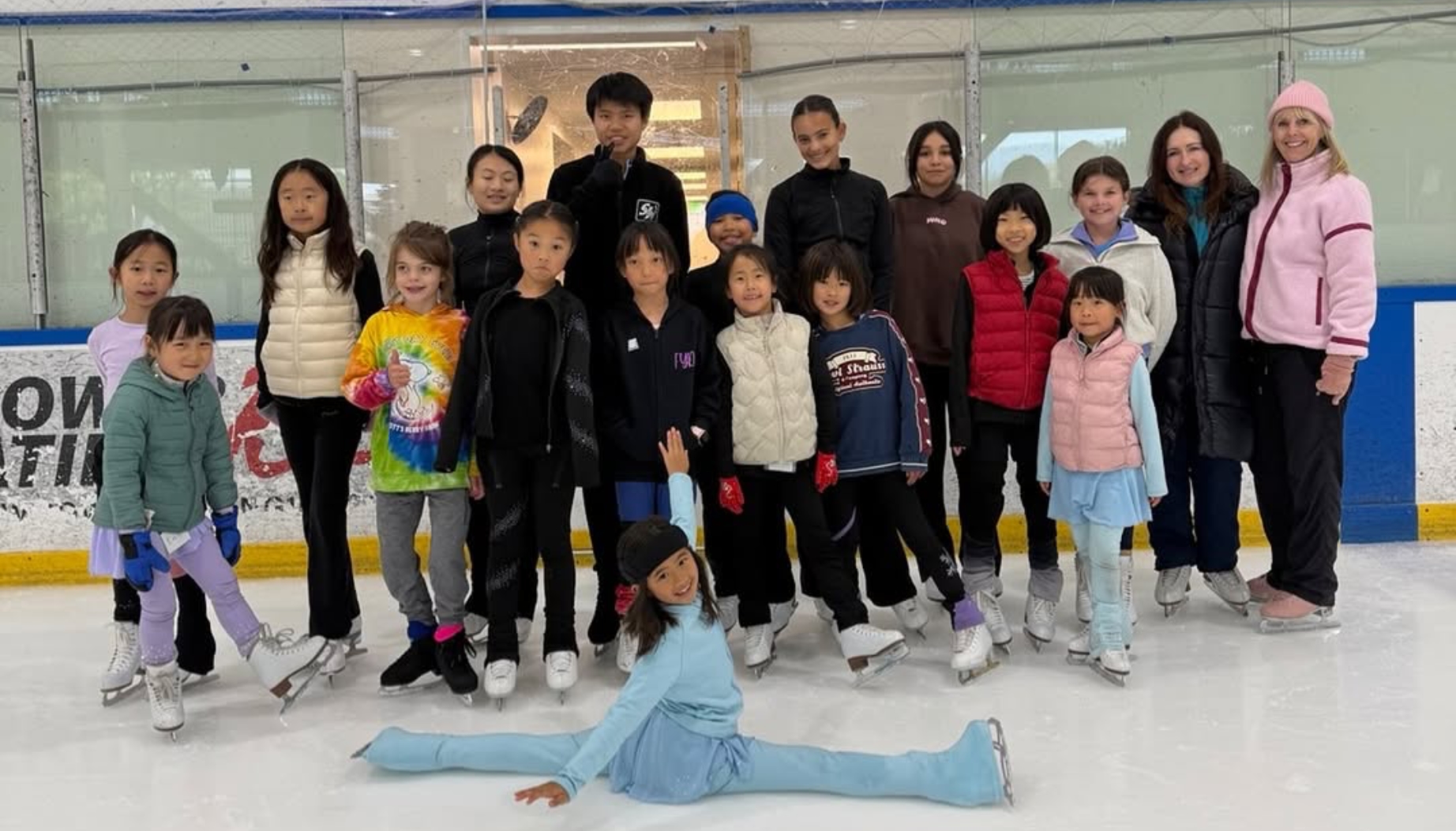
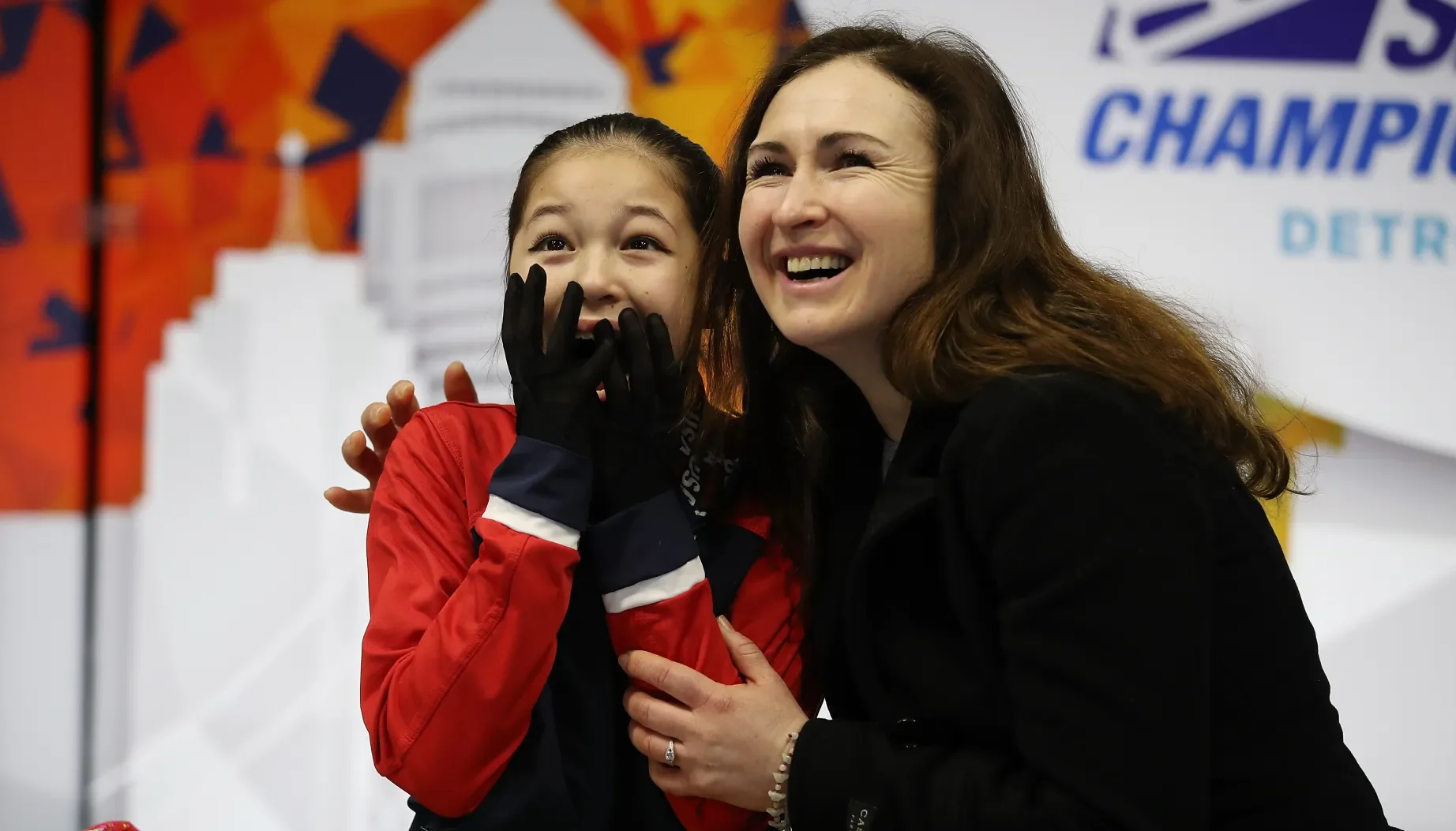
Alysa Liu first stepped onto the ice at Oakland Ice Center at the age of five. It was there that she began training under the guidance of developmental coach Laura Lipetsky, who worked with Liu through her formative years and into her early competitive career. Those years of training — quiet, disciplined, and purposeful — contributed to the early technical foundation of an athlete who would later become an Olympic gold medalist.
Lipetsky’s approach to early development centers on one core belief: the fundamentals matter most. In coaching young skaters, she prioritizes precision over flash, patience over shortcuts, and the steady accumulation of skill over the pursuit of premature results. With Liu, that philosophy took hold immediately.
Building the Technical Foundation
From her earliest sessions, Liu demonstrated an exceptional capacity for learning complex movement. Lipetsky worked carefully with her to develop the jump mechanics that would later become hallmarks of her skating — edge quality, rotation timing, body alignment, and the spatial awareness required to execute jumps consistently under competitive pressure.
Beyond jumps, Lipetsky emphasized discipline as a daily practice: the kind that shows up in every run-through, every off-ice session, and every moment of focused repetition. Liu’s ability to work with intention from such a young age set her apart early, and that habit of focused effort would serve her throughout her career.
Early competitive experience was also a deliberate part of Liu’s development under Lipetsky’s guidance. Rather than rushing Liu through competitive levels, Lipetsky structured her progression carefully — ensuring that each competitive stage was met with genuine readiness, both technically and mentally. This methodical approach allowed Liu to build confidence alongside capability, competing at each level with a foundation secure enough to perform under pressure.
Transition to Elite Coaching
In June 2020, Alysa Liu continued her training with a new coaching team — Lee Barkell, Lori Nichol, and Massimo Scali. The decision to make that change was made by her family as part of her ongoing career path.
The coaching relationship between Liu and Lipetsky represented one phase of a long journey — a critically important phase, but one chapter in a story that Liu has continued to write with distinction. The accomplishments that have followed speak to the strength of the entire network of coaches, trainers, and mentors who have contributed to her development over the years.
Recognition and the Long-Term Impact of Early Coaching
As media coverage of Alysa Liu’s Olympic Gold 2026 has spread across broadcast and digital platforms, it has brought renewed attention to her remarkable trajectory — from a five-year-old beginning her training at Oakland Ice Center to a gold medalist on the world stage. That arc is a powerful reminder of how much the earliest years of athletic development matter.
The work done in those foundational years rarely makes headlines. It happens in early morning sessions, in patient corrections, in the quiet reinforcement of technique before an athlete has any idea of where that technique might one day take them. That is precisely where Laura Lipetsky’s contribution resides: in the years when the work was invisible to the world, but essential to everything that came after.
A Coaching Philosophy Grounded in Long-Term Development
Laura Lipetsky’s coaching philosophy is built around a simple but demanding principle: develop the whole athlete, not just the competitor. The principles that shaped the Laura Lipetsky Alysa Liu Olympic 2026 narrative — precision, structured progression, and long-term thinking — reflect the same standards she applies to every athlete in her program. This means attending carefully to technical development, instilling work ethic and self-discipline, providing structured competitive progression, and fostering a genuine love for the sport — all before the stakes of elite competition arrive.
Her record reflects a consistent commitment to that philosophy. The athletes who pass through her program leave with skills and habits that serve them far beyond their time working together. In Alysa Liu’s case, the early investments made under Laura Lipetsky’s guidance at Oakland Ice Center helped establish the technical and competitive foundations that Liu carried forward through every subsequent stage of her development — foundations built long before the world was watching.
That is the measure of effective developmental coaching: not the headlines it generates, but the groundwork it quietly puts in place. Laura Lipetsky’s work with young athletes reflects a long-term commitment to that standard.
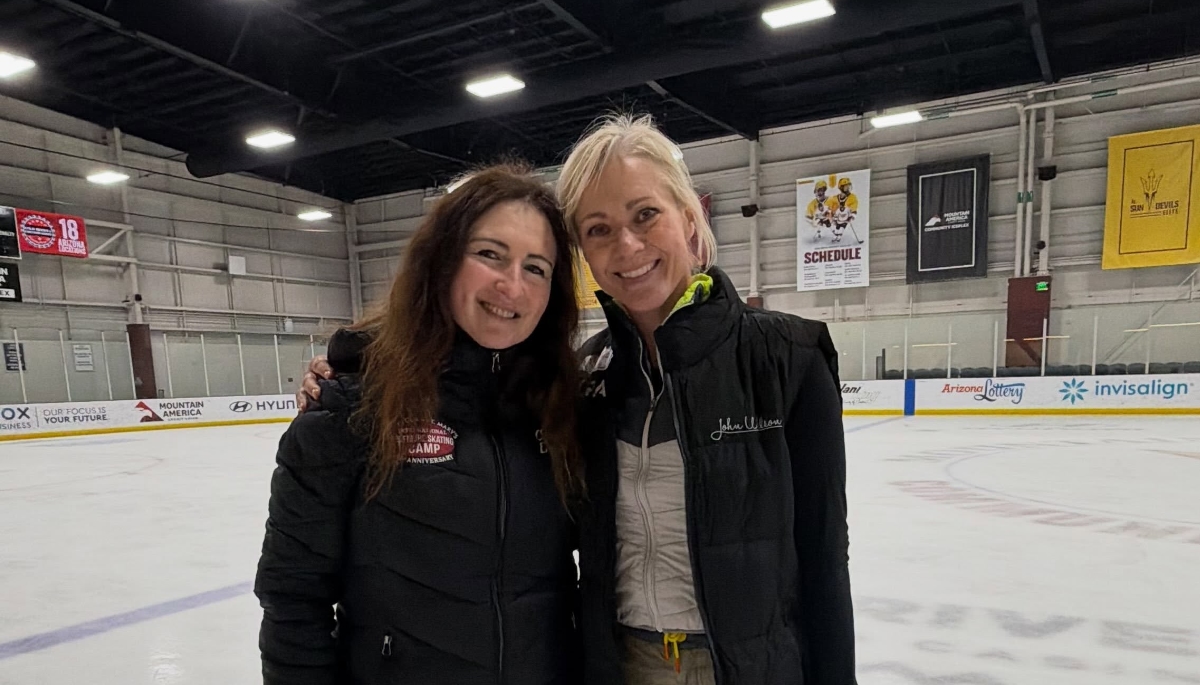
Laura Lipetsky is a figure skating coach based at Oakland Ice Center. She specializes in early skater development, technical foundations, and long-term athlete progression.