The Extensive Benefits of Figure Skating for Kids
Figure skating can be a transformative experience for children. As the seasoned Team USA Figure Skating Coach, Laura Lipetsky brings invaluable insight into the multifaceted benefits of this sport. In this post, we will explore the advantages of figure skating for kids, focusing on how it nurtures their physical, mental, emotional, and social development. We will also align our discussion with Laura’s coaching philosophy, prioritizing Long-Term Athlete Development (LTAD).
1. Physical Health and Fitness: The Benefits of Ice Skating for Kids
Cardiovascular Health
Ice skating is an engaging cardio workout that effortlessly combines fun with exercise. The continuous movement required while skating boosts the heart rate and improves cardiovascular health. Regular skating sessions, even as short as 30 minutes several times a week, can enhance heart function and endurance in a child-friendly manner that feels more like play than a workout.
Muscle Development
Figure skating naturally strengthens key muscle groups, particularly the legs, core, and back. Movements such as gliding, jumping, and spinning demand strength and control, which in turn develop muscular endurance. For example, executing a basic jump or a one-foot glide requires power and stability from core muscles, setting a foundation for further athletic skills.
Flexibility and Range of Motion
The routines and stretches involved in skating enhance flexibility, particularly in the hips, knees, and ankles. This flexibility contributes to healthy joint function and can prevent injuries. A common skating exercise might include dynamic warm-ups that increase range of motion and improve joint health, which is critical as children grow and develop.
Posture and Core Strength
Maintaining balance on ice strengthens the core and teaches young skaters to align their body properly, improving overall posture. Exercises like one-foot glides or spiral positions inherently encourage skaters to engage their core muscles, fostering coordination and stability.Parents should aim to include regular skating in their child’s routine for at least 30-minute sessions multiple times a week, which enhances these physical attributes significantly.
2. Coordination and Discipline: The Benefits of Ice Skating for Kids
Balance and Coordination Development
Figure skating demands precision and balance. As skaters learn to glide on narrow blades, they develop exceptional balance and coordination, key skills transferable to other sports and daily activities.
Discipline and Self-Management
Skating instills a strong sense of discipline. Whether preparing for competitions or engaging in casual skating, children learn the importance of commitment, practice, and self-management. This discipline extends beyond the rink, encouraging effective time management and responsibility.
Transfer to Other Areas
The discipline and coordination learned in skating can enhance performance in academic pursuits and other sports. For instance, the focus and dedication required in skating practices can translate into better study habits and a disciplined approach toward academic goals.By understanding and emphasizing these values, parents are investing not just in their child’s sports development but in essential life skills that encourage well-rounded growth.
3. Youth Sports Development and Long-Term Athlete Development
Foundation Skills
Basic skating skills, such as stopping, turning, and transitioning, form a solid foundation for all ice sports. These skills offer more than immediate athletic benefits; they are groundwork for a sporting lifestyle.
Progressive Goal-Setting
Skating inherently involves goal-setting. From mastering single loops to performing in competitions, each step requires perseverance and determination, teaching young skaters the importance of setting and achieving goals.
Adaptability Across Skill Levels
Skating is inclusive, catering to all skill levels. Whether a child dreams of competing nationally or skating recreationally, there’s a place for them on the ice. The sport supports their aspirations, whatever they might be.Working with Laura Lipetsky ensures that children receive age-appropriate training and development aligned with LTAD principles, building their sporting journey purposefully.
4. Mental and Emotional Growth: Benefits of Ice Skating for Kids
Stress Management and Mental Health
Ice skating is a fantastic stress reliever. The rhythmic motion and focused concentration required provide a mental break from daily pressures. This, combined with the joy of learning new skills, enhances mood and alleviates stress.
Confidence and Self-Esteem
Through overcoming the challenges skating presents, children build confidence and self-esteem. Successfully learning a new routine or a challenging move fosters a strong sense of achievement, strengthening their belief in their abilities.
Focus and Resilience
Figure skating teaches resilience and presence. Kids learn to focus on the present moment and recover from setbacks—important life skills that encourage perseverance and a positive attitude toward challenges.
Handling Performance Pressure
Managing performance pressure in skating competitions provides valuable life lessons. These experiences teach children how to gracefully handle pressure, preparing them for future scenarios in academics and beyond.
5. Social Skills and Teamwork: Benefits of Figure Skating for Kids
Community and Friendship Building
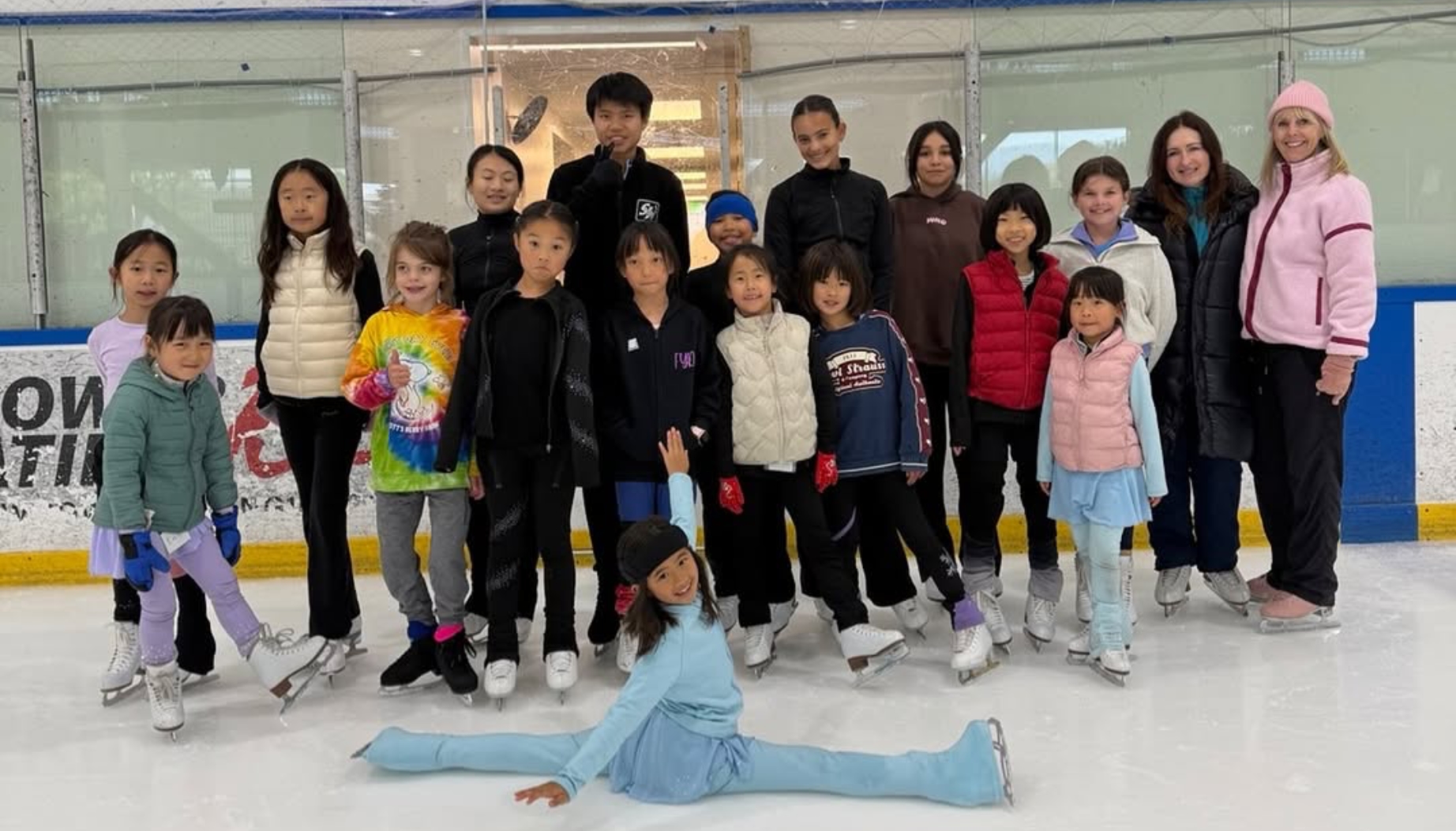
Skating is a unique blend of individual skill and community interaction. Whether participating in group lessons or synchronized skating teams, children forge friendships and learn the importance of working as part of a team.
Communication Development
Even in individual events, skating promotes communication and teamwork. Children learn to support each other and communicate effectively, key abilities that are transferable to both social and career settings.
Support Systems
Skating creates a supportive environment where camaraderie flourishes. The encouragement from peers and mentors builds a motivating community that can inspire and support young skaters through their personal and athletic journeys.
6. Structured Routine and Long-Term Goals: Youth Sports Development
Goal-Setting Framework
Figure skating provides a structured framework for setting and achieving personal goals. The nature of the sport fosters regular evaluation and adjustment, teaching children how to set realistic objectives and work systematically toward them.
Personalized Development
Laura Lipetsky’s coaching philosophy ensures personalized development plans for each skater. By aligning training with the child’s needs and stage of development, the potential for growth is maximized.
Building Accountability
Through the structured nature of figure skating, children learn accountability—it teaches them that effort and progress go hand in hand, encouraging a strong work ethic and reliability.
Lifelong Skills
The skills developed through figure skating are not just temporary athletic enhancements but lifelong assets. From physical fitness to mental resilience, the lifelong enjoyment of skating reinforces its enduring value.
7. Safety and Proper Technique: Benefits of Ice Skating for Kids and Long-Term Athlete Development
Importance of Fundamentals
A strong focus on foundational skills ensures both the safety and success of young skaters. Learning the correct technique from the start prevents injuries and builds a secure base for advancement.
Professional Guidance
Expert coaching is crucial in teaching safe practices and techniques. Laura Lipetsky’s guidance ensures that children learn correctly and safely, maximizing their potential while minimizing risk.
Progressive Skill Building
By taking a structured approach to skill development, injuries are minimized, and potential is emphasized. Progressive skill-building ensures children learn at a pace that is safe and beneficial to their overall development.
Safe Learning Environment
Creating a safe, supportive environment for practice is an essential element of successful skating education. It allows skaters to focus on learn and perform without unnecessary stress or fear of injury.
Conclusion and Call to Action
In conclusion, the benefits of figure skating for kids are extensive, fostering growth in physical, mental, emotional, and social facets. Comprehensive coaching builds these values effectively and safely, ensuring a fulfilling skating experience. With expert guidance from Laura Lipetsky, children can reach their full potential in a safe and structured environment.For parents interested in maximizing these benefits for their child, consider reaching out to Laura for a consultation or to explore individualized coaching programs tailored to meet your child’s unique needs. Laura’s expertise can be pivotal in guiding your child’s skating journey, ensuring a rewarding and safe path to development.For further insights into the advantages of this beautiful sport, check out the post on benefits of figure skating for kids.