Navigating the journey of figure skating can be both exhilarating and daunting for parents and their aspiring skaters. One of the initial dilemmas often encountered is whether to buy new or used figure skates. Purchasing used figure skates can not only be more economical but also a more sustainable choice. As a renowned Team USA Figure Skating Coach, Laura Lipetsky brings invaluable insights to help guide parents through this decision-making process. Her expertise shines light on the importance of matching skates with skill levels, ultimately contributing to the skater’s long-term growth and development.
Understanding the Basics of Used Figure Skates
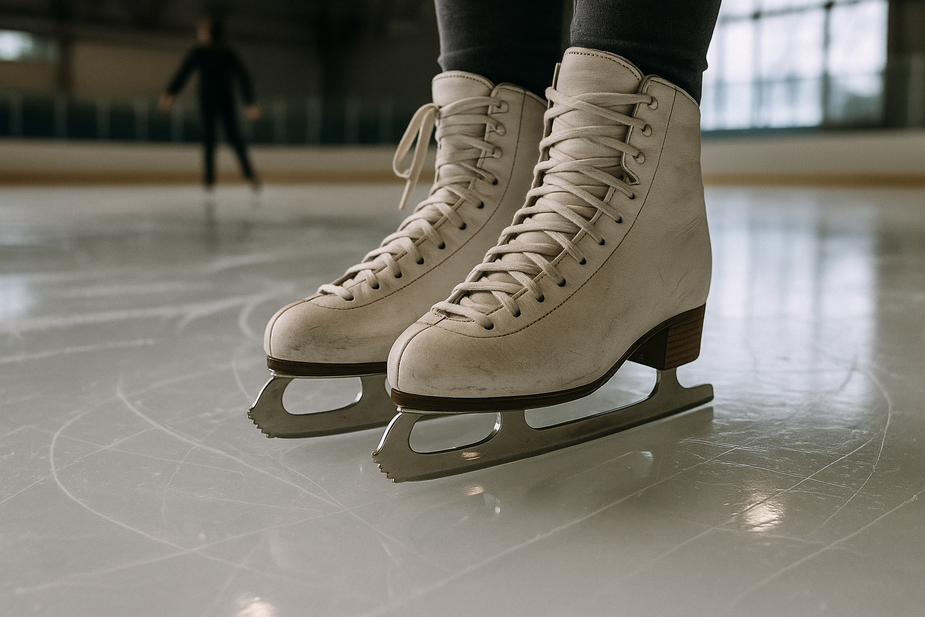
The term ‘used figure skates’ refers to skates that have had a previous owner but are still in a condition fit for use. Opting for used equipment can be a cost-effective choice for parents who want their children to access high-quality brands without the hefty price tag. Skates can often be found in excellent condition, especially when children outgrow them quickly.
Laura Lipetsky emphasizes the importance of Long-Term Athlete Development (LTAD), a vital philosophy in figure skating. LTAD underscores providing young athletes with the right equipment at each stage of their development. In this context, choosing the correct pair of skates becomes pivotal. Used figure skates allow for frequent exchanges as children grow and advance, ensuring their equipment is always aligned with their physical and skill level needs.
Assessing Quality in Used Figure Skates
When considering second hand skating boots, assessing their quality is crucial. Sturdy construction, minimal wear, and thorough blade checks are key aspects Laura Lipetsky recommends for evaluating used skates.
Start by examining the boot for any significant creases or soft spots that could compromise support. The boot should maintain its shape and offer the necessary structural integrity required for figure skating. Next, alignments and condition of the blades are equally important. Blades should not show excessive wear or rust, and they should align properly with the skate boot to ensure precise movement control on ice.
Laura Lipetsky often observes that matching the skates to a skater’s skill level can dramatically impact their ability to perform techniques safely and effectively. Ensuring that skates are in good condition provides young skaters with the confidence and ability to progress in their skating journey. For more on crucial aspects of properly fitting figure skates, check out our post on the best figure skates for beginners.
Key Considerations When Buying Used Skates
Fit and Comfort
The primary consideration when buying used figure skates should be fit and comfort. A proper fit is paramount not only for performance but also for injury prevention. According to Laura Lipetsky’s coaching philosophy, skates should fit snugly but without any painful pressure points.
When trying on skates, it is essential to wear the type of socks that the skater would typically wear during practice. Slightly thicker or thinner socks can significantly change the fit. Laura Lipetsky advises trying on skates in person whenever possible before purchasing, ensuring the fit is correct and comfortable.
Reputable Brands and Trusted Sources
Choosing reputable brands is also critical. Brands that are known for their durability and performance tend to last longer and support the skater better. Examples include Riedell, Jackson, and GAM, which offer a range of models catering to various skating levels and needs.
While purchasing, it’s vital to buy from trusted sources, which might include specialized skating shops or certified online retailers. This assurance is crucial for quality and authenticity in the skates purchased. Parents should be aware of potential budgeting considerations by exploring the true cost of figure skating in our dedicated post.
Pros and Cons of Buying Used Skates
Buying used skates offers several advantages such as significant cost savings and access to high-quality equipment. Used skates also provide a feasible way to frequently transition through sizes and skill levels without financial strain.
However, there are disadvantages, and safety is a key concern. Laura Lipetsky advises that hygiene should be closely monitored, and skates should be thoroughly cleaned and maintained to prevent health issues. A professional blade assessment and sharpening are recommended to avoid accidents due to dull or improperly aligned blades.
Preparing to Make the Purchase
When preparing to purchase used skates, a detailed checklist can be invaluable:
- Research Sizes and Brands: Understand the correct size and brand suitable for your child’s current level.
- Physical Inspection: Inspect the boot for wear and ensure the blades’ alignment and condition.
- Try Before You Buy: Whenever possible, have the skater try on the skates.
- Check Customization Options: As Laura Lipetsky often engages in adjustments like heat molding to ensure the perfect fit, consult a professional for any necessary modifications.
Transitioning from Used to New Skates
As a young skater’s skills progress, there may come a time to transition from used to new skates. This transition is typically necessary when skaters require equipment that offers more advanced features tailored to their growing expertise.
Laura Lipetsky believes that a professional fit assessment can greatly benefit skaters at this critical stage. Knowing when skates no longer meet their needs and acting accordingly ensures ongoing development and safety. In our post about private coaching transitions, we discuss how personalized guidance can also help during this period.
Conclusion
The wise purchasing of used figure skates plays a crucial role in a skater’s development. Opting for well-maintained used skates allows families to invest in better-quality equipment without stretching their budgets. This approach ultimately aligns with the Long-Term Athlete Development philosophy, where long-term growth and skill development are prioritized.
Parents seeking personalized guidance and more insights into the world of figure skating are encouraged to reach out to experts like Laura Lipetsky. As a Team USA Figure Skating Coach, Laura offers an abundance of knowledge and experience, providing essential support to developing skaters. For further advice or inquiries about coaching, parents can contact Laura Lipetsky to ensure their children are on the path to skating success.