Understanding the Appropriate Age to Start Figure Skating
Determining the age to start figure skating can play a crucial role in a child’s athletic development journey. In the world of sports, the concept of Long-Term Athlete Development (LTAD) offers an integrated framework that emphasizes starting early but appropriately. This concept is elaborated further in our post on Long-Term Athlete Development.
The right age to begin isn’t solely based on a numerical value but rather a combination of factors that include physical readiness, emotional maturity, and individual interest. As Coach Laura Lipetsky often observes, starting early allows children to develop foundational skills that not only aid in skating but also provide lifetime benefits in coordination and balance.
Laura Lipetsky’s approach is rooted firmly in the core tenets of LTAD, which prioritize safety, enjoyment, and development over competition, especially at a young age. For example, when coaching Alysa Liu, a figure skating prodigy, from the tender age of 5, Laura emphasized playful exposure to skating rather than a formal, rigorous training regimen. This creates an environment where children learn to love the sport at their own pace.
The Benefits of Skating for Toddlers and Young Children
When considering skating for 4 year olds and even younger, the focus should be on giving toddlers a delightful introduction to this beautiful sport. Toddler ice skating is less about crafting future Olympians and more about cultivating early coordination, confidence, and enjoyment. At such a young age, it’s all about the experience—playing on the ice, feeling the glide, and enjoying the sheer joy of movement.
According to Laura Lipetsky’s coaching philosophy, this early exposure helps imprint essential movements and habits, even if they are masked in playful antics. These form the technical foundation necessary for later learning complex skills such as elite jump mechanics, which you can learn more about in our post on figure skating jump technique. In Laura’s experience, engaging young skaters in activities that promote body awareness and agility helps spark a natural affinity for skating, which is crucial in nurturing long-term interest.
The Laura Lipetsky Method for Young Skaters
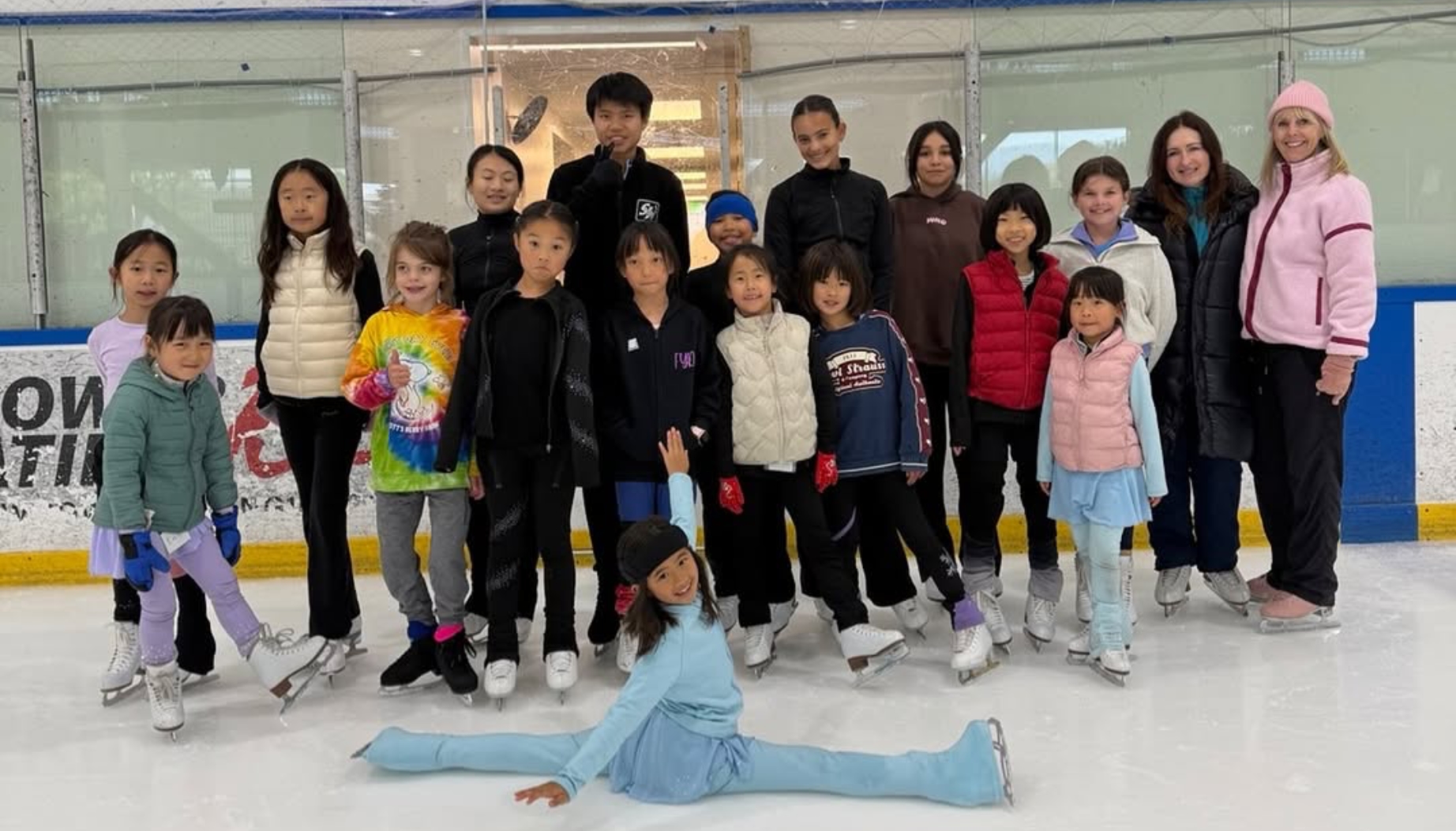
The environment in which young skaters learn can significantly influence their experience and progress. The Laura Lipetsky Method for young skaters underscores the importance of a supportive and fun atmosphere. Her approach to early skating lessons focuses on building basic skills through enjoyable practices, ensuring that children associate ice skating with positivity and excitement.
By prioritizing qualified coaching and structured programs tailored to youth development, Laura Lipetsky establishes a personalized approach that manages skater groups efficiently. Her coaching philosophy believes in catering to each child’s unique pace, ensuring they feel celebrated every step of the way. This method stems from Laura’s extensive experience and passion for seeing young athletes thrive.
Key Factors to Consider When Starting Young
When incorporating toddler ice skating into a child’s routine, several key factors must be taken into account. Readiness milestones—such as attention span, physical coordination, and emotional resilience—are essential indicators to assess whether a child is prepared to begin skating.
Parental involvement and support are vital during these initial stages, as they provide the encouragement needed for the child to feel secure. As Laura Lipetsky emphasizes, a parent’s role isn’t just logistical but also motivational, providing the necessary emotional backing that builds a child’s confidence.
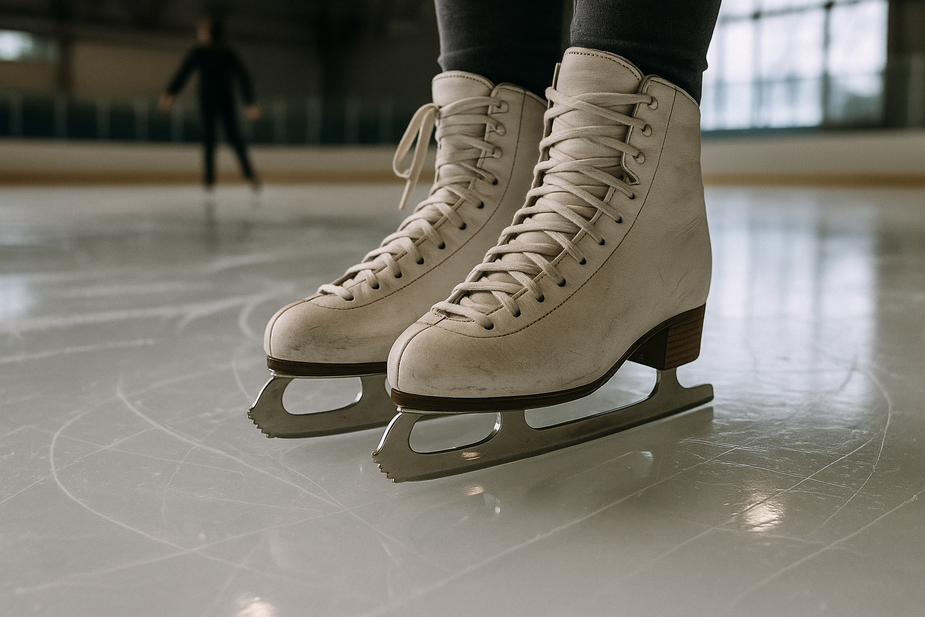
In terms of practical considerations, ensuring the right equipment and following safety guidelines are paramount. Laura Lipetsky’s method involves educating both parents and children in understanding the equipment and emphasizing safety, allowing them to navigate their skating journey with confidence. Detailed movement explanations and personalized guidance further help ensure that each child’s experience on ice is positive.
Conclusion
While there is no rigid ‘perfect age’ to begin figure skating, what’s truly important is fostering a nurturing and enjoyable environment for young learners. The journey into figure skating should be led with patience and warmth, tailored to the needs of each child, much like the approach advocated by Laura Lipetsky.
Her professional guidance reassures parents that skating is not just about developing future champions, but about shaping well-rounded individuals. With the right balance of structured learning and enjoyment, skating can be an enriching part of a child’s growth and development.
Call to Action
If you are considering figure skating lessons for your child, exploring coaching sessions with Laura Lipetsky is a step towards understanding your child’s potential. Discover more about her beginner and young skater programs, designed to nurture youth with professionalism and care.
For personalized advice that caters to your child’s unique development stage, reach out to Laura Lipetsky and embark on a journey that balances enjoyment with expertise. Guidance from an elite coach could be the first step towards your child’s lifelong love for skating. More information is available at Laura Lipetsky’s official site.