When people watch a skater move across the ice with effortless grace — jumping, spinning, gliding as though it costs them nothing — they see the result. What they rarely see is the years that made that result possible. The early mornings. The patient repetition. The slow, deliberate work of building something that will last.
I’ve been coaching figure skating for a long time, and one of the things I’ve come to understand deeply is this: the skaters who look the most free are almost always the ones with the strongest foundation beneath them. Freedom on ice isn’t a personality trait. It’s earned.
What Elizaveta Tuktamysheva Got Exactly Right
I came across a quote recently from Elizaveta Tuktamysheva — one of the most respected and enduring voices in competitive figure skating — that stopped me in my tracks. Speaking about Alysa Liu, she said:
“Alysa Liu was very talented even as a child, doing quadruple jumps. That’s why today she can afford to skate with ease: when you’re confident in your content, you feel a sense of freedom.”
That quote is worth sitting with.
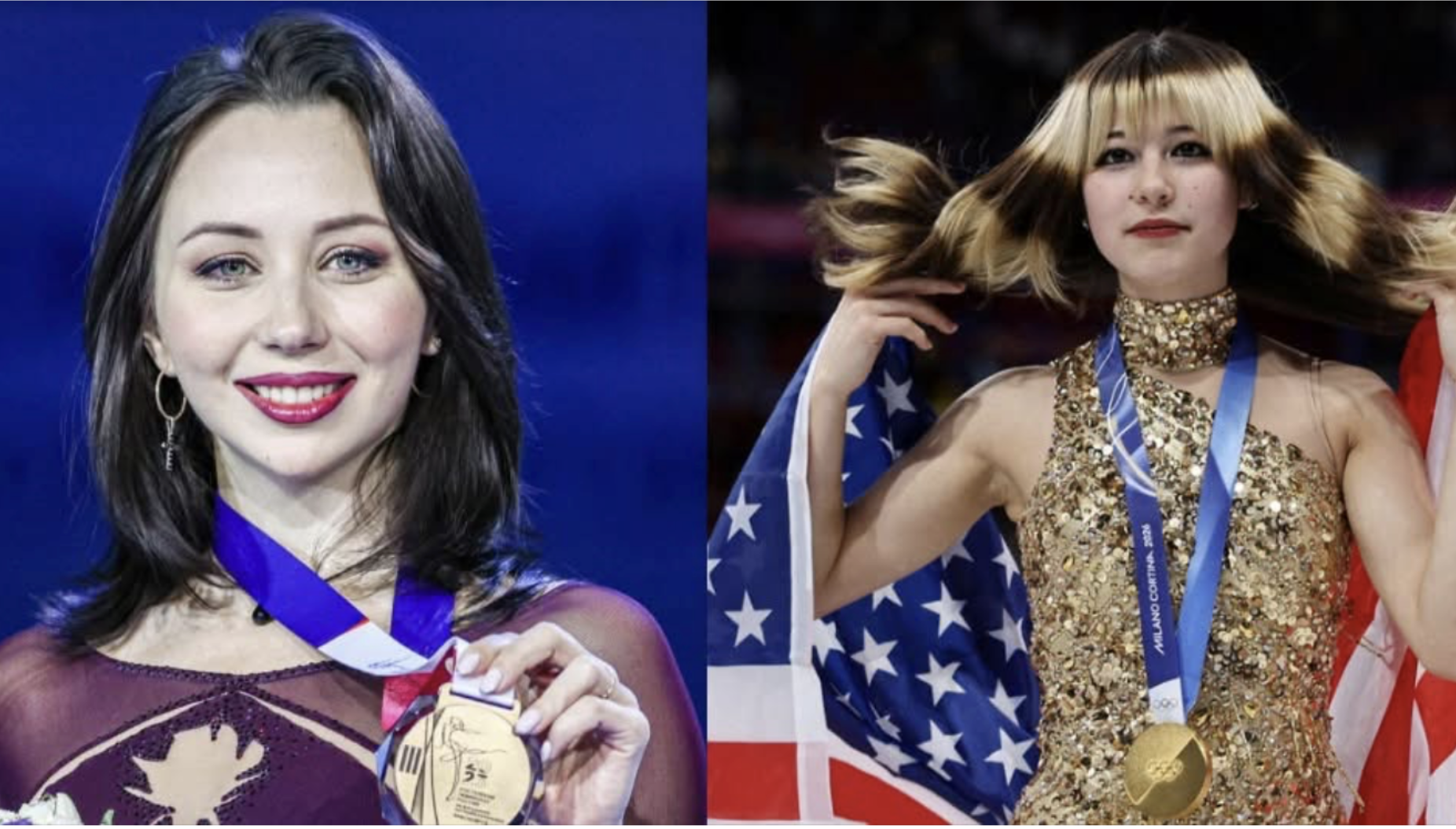 Tuktamysheva isn’t just complimenting Alysa’s talent. She’s identifying something precise and true about how confidence actually works in athletic performance. When a skater has genuinely mastered her content — when the technical foundation is so solid that it no longer demands conscious effort — something opens up. The mind stops managing and starts expressing. The body moves freely because it knows exactly what to do.
That’s not a gift. That’s the product of years of work done correctly.
The Years Nobody Saw
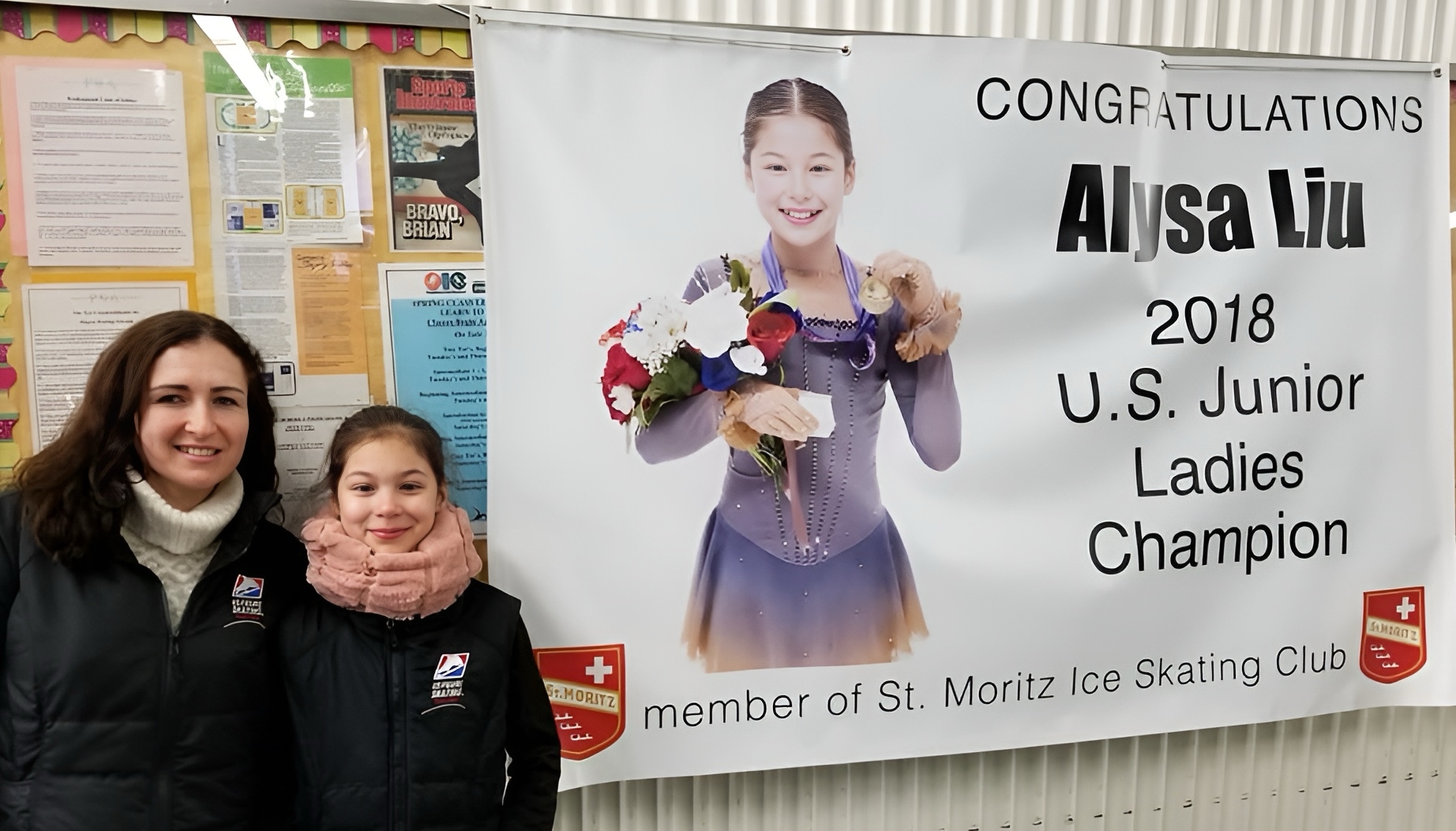
I began working with Alysa Liu when she was around five years old. Over the next ten years, we built together — day by day, skill by skill, season by season.
What I can tell you is that Alysa’s technical development was remarkable even by the standards of elite young skaters. She was landing consistent, well-structured jumps at an age when most children are still mastering the basics of balance on the blade. But that progression didn’t happen by chance — it was the result of deliberate, structured coaching that prioritized doing things correctly over doing them quickly. Every element she added to her arsenal was built on a foundation that was genuinely ready to hold it.
There’s a moment I still think about — watching her run through a jump combination early in our work together, something she’d been struggling with for weeks, and seeing it finally click. Not just the jump, but the understanding behind it. That’s the moment a coach lives for. Not the performance, but the comprehension.
Young skaters are remarkable to coach. They’re open, curious, and willing in ways that older athletes sometimes aren’t. But that openness also means the responsibility of the coach is enormous. What you build in those early years — or fail to build — shapes everything that follows. You can’t shortcut the fundamentals and hope the skater outgrows the gaps. Those gaps have a way of showing up exactly when it matters most.
With Alysa, the work was always about getting the basics right. Edge quality. Body alignment. Understanding the mechanics of each jump from the inside out, not just the surface appearance. Discipline, yes — but paired with genuine love for what she was doing. I never wanted to produce a skater who could execute technically but had lost her joy in the process. That balance — rigor and love — was always the goal.
My Philosophy: Don’t Rush What Needs to Grow
I believe in building skaters slowly and correctly. In a sport where young athletes are often pushed toward results before their bodies and technique are truly ready, I’ve always chosen the longer path.
Strong basics are not a starting point you move past — they’re something you return to, refine, and deepen at every level. A jump that’s technically sound at age seven becomes the foundation for a quad at fourteen. An edge that’s understood correctly as a beginner becomes the source of speed and security at the elite level. You can’t reverse-engineer these things. They have to be built in order, with patience and care.
What I work to create in my students is mastery — the kind that becomes instinct. Because instinct is what allows a skater to step onto the ice in front of thousands of people and feel free rather than afraid. That confidence isn’t manufactured. It comes from knowing, at a cellular level, that you’ve done the work.
I also believe in protecting a young skater’s relationship with the sport itself. Skating has to mean something beyond competition results. The skaters who last, who continue to grow and evolve and inspire people well into their careers, are almost always the ones who genuinely love what they do. Nurturing that love — keeping it alive through the hard seasons — is as important to me as any technical milestone.
What Freedom on Ice Really Means
When I watch Alysa skate today, I see exactly what Tuktamysheva described: ease, confidence, a quality of freedom that reads as natural but is anything but. I know what’s underneath it. I know the hours that built the edges, the repetitions that made the jumps reliable, the patience that shaped a young girl into an athlete who could trust herself completely. That foundation was built intentionally — piece by piece, with a clear understanding of what it would need to support one day.
That is what coaching is, at its best. Not making someone perform — helping them become someone who can.
To the parents reading this who are just beginning this journey with their children: the early years matter far more than most people realize. The work done quietly, correctly, and patiently at the foundation level won’t always produce results you can point to right away. It produces something more durable than that. It produces a skater who, years from now, will step onto the ice in front of thousands of people and feel — genuinely feel — free.
That freedom is not given. It is built. And it starts much earlier than anyone watching will ever know.