Understanding the Process of Breaking in New Figure Skates
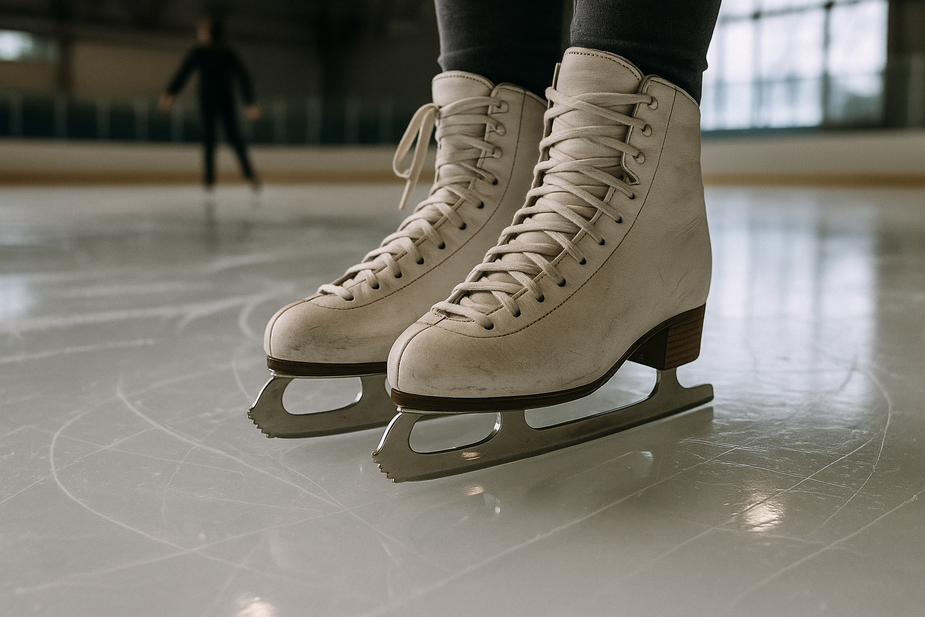
Breaking in new figure skates can be both an exciting and challenging experience for skaters. The phrase ‘breaking in new figure skates’ refers to the period during which the skater’s foot adapts to the new boots, and the boots conform to the specific shape and needs of the skater’s feet. According to Laura Lipetsky’s coaching philosophy, this process is crucial for performance and, more importantly, skater safety.
New skaters often experience discomfort, often referred to as ‘new boot pain.’ It’s essential to distinguish between typical discomfort and red-flag pain that requires attention. Normal discomfort might include slight achiness or stiffness, whereas red-flag pain could be persistent sharp pain or significant bruising. As Coach Laura Lipetsky often observes, patience in this adjustment process is crucial, aligning with the Long-Term Athlete Development (LTAD) approach. This philosophy emphasizes gradual progression and adaptation, fostering holistic development and reducing the risk of injury.
Techniques for Breaking in New Figure Skates
There are several effective techniques for breaking in new figure skates that can minimize discomfort and ensure a smooth transition. These methods, proven by Laura Lipetsky’s extensive coaching experience, lay a solid foundation for safe and successful skating.
Step-By-Step Strategies
- Correct Initial Fit: Start with ensuring that the skates are the correct size. Mr. Lipetsky emphasizes that an accurate fit is non-negotiable. Ill-fitting skates can lead to prolonged new boot pain and even injury.
- Gradual Wear: Introduce the skates slowly. Have your child wear them indoors with the skate guards on for short periods. This helps the feet adjust to the skates in a non-stressful environment.
- Incremental Ice Time: Initially, limit ice time to short sessions, gradually increasing as comfort improves. This gradual approach adheres to LTAD principles by allowing the skater’s body to adapt over time.
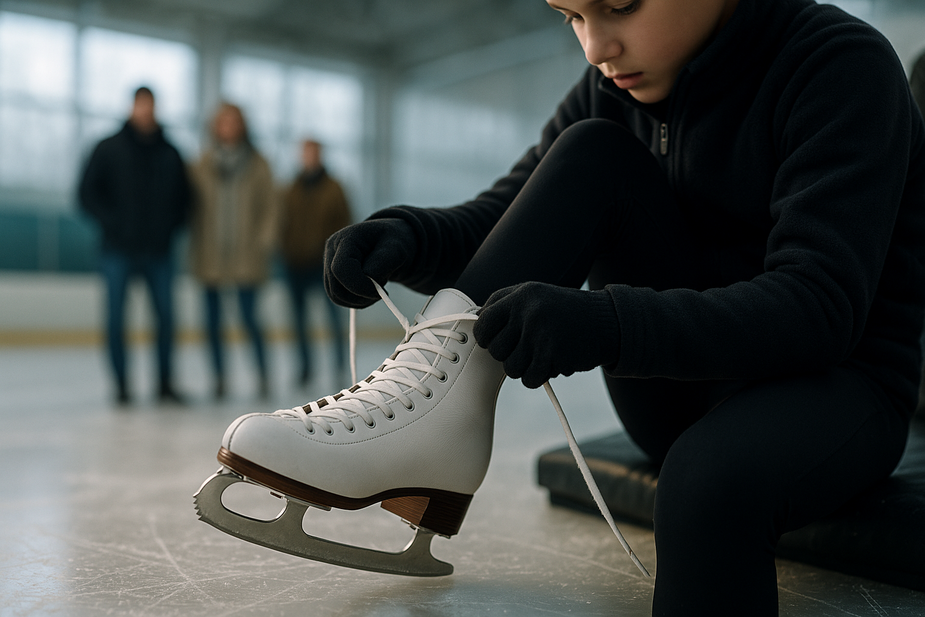
Laura Lipetsky also highlights common mistakes, particularly in lacing. Incorrect lacing can exacerbate discomfort. She advises starting with looser laces at the top, gradually tightening them as the foot adjusts. Anecdotes from Laura’s coaching sessions frequently reveal that such small adjustments can make a big difference in comfort and performance.
Heat Molding Skates: What You Need to Know
Another innovative method used in breaking in new figure skates is heat molding. This technique involves using heat to soften the boot material, enabling it to shape precisely to the skater’s foot. This approach can reduce the breaking-in period significantly, but must be done judiciously.
Heat molding skates should be considered when traditional methods do not alleviate discomfort or when a custom fit is required. The process typically involves specialized equipment available at professional skate shops. A skilled technician will heat the boots and then have the skater wear them until they cool and mold to their feet.
Laura Lipetsky often plays a pivotal role in advising whether heat molding is the best option for a skater. Her deep understanding of the sport and biomechanics ensures that parents and skaters make informed decisions, enhancing both comfort and performance.
New Boot Pain and Blister Prevention in Skating
New boot pain can lead to blisters, a common concern among skaters. Blister prevention in skating is vital to maintaining a skater’s enthusiasm and health during the break-in process. Laura Lipetsky emphasizes the importance of prevention measures that align with LTAD’s focus on safety.
Prevention Tips
- Protective Gear: Invest in gel pads or blister bandages to minimize friction.
- Proper Socks: Use seamless socks designed specifically for skating to reduce blister formation.
- Correct Lacing: As mentioned earlier, proper lacing techniques can alleviate pressure points and reduce the likelihood of blisters.
By implementing these measures, young skaters can focus more on enjoying the learning process rather than the discomfort, fostering a positive, long-term relationship with the sport.
Professional Guidance and When to Seek Expert Help
While many skaters can successfully break in their new figure skates with the strategies outlined above, some may experience persistent issues that require professional guidance. It is crucial to recognize when to seek expert help, a decision that can greatly benefit from the insights of accomplished coaches like Laura Lipetsky.
If discomfort or pain persists longer than expected, affecting performance or enthusiasm, consulting with a professional is wise. Laura Lipetsky provides invaluable guidance in evaluating skate fit and break-in progress. Her expertise ensures that skating remains a positive experience, ultimately contributing to the skater’s long-term development and love of the sport.
Conclusion
Breaking in new figure skates is an essential, albeit sometimes challenging, part of a skater’s journey. With the expert insights shared by Coach Laura Lipetsky, this process can align with Long-Term Athlete Development principles, ensuring a safe and enjoyable introduction to the world of figure skating. By understanding the nuances of this process and recognizing the importance of professional guidance, parents can help their aspiring skaters thrive.
If you are seeking personalized advice or wish to learn more about optimizing the skate break-in process, don’t hesitate to reach out to Laura Lipetsky for a consultation. Her wealth of experience and commitment to athlete development is unmatched, making her a vital resource for skaters of all levels.
Call to Action
Ready to embark on your child’s figure skating journey with expert advice? Subscribe for more tips from Laura Lipetsky, or contact her directly for a consultation. Embrace the world of figure skating with confidence and ensure your young athlete maximizes their potential under the guidance of one of the sport’s most respected coaches.