Figure skating is a magical sport that combines athleticism with elegance. As young skaters lace up their boots and step onto the ice, parents play a crucial role in supporting their journey. One of the most significant aspects of this support involves maintaining well-sharpened figure skates. As a distinguished coach and Team USA mentor based in California, Laura Lipetsky knows firsthand the importance of proper skate maintenance in athlete development. In this comprehensive figure skate sharpening guide, we’ll explore how keeping your child’s skates in optimal condition can impact their performance and safety.
The Importance of Skate Sharpening for Aspiring Athletes
Proper skate care, particularly in the realm of sharpening, is essential for young athletes. A well-sharpened skate ensures that the blade grips the ice securely, providing stability and control during intricate footwork and jumps. Sharp blades not only enhance a skater’s performance but are also vital for preventing slip-related injuries. According to Laura Lipetsky’s coaching philosophy, diligent attention to equipment care is a cornerstone of any successful figure skating journey. As parents, accessing a detailed figure skate sharpening guide will empower you to keep your child’s skates in peak condition and support their safe progression on the ice.
The Basics of Skate Sharpening: Ensuring Safety and Performance
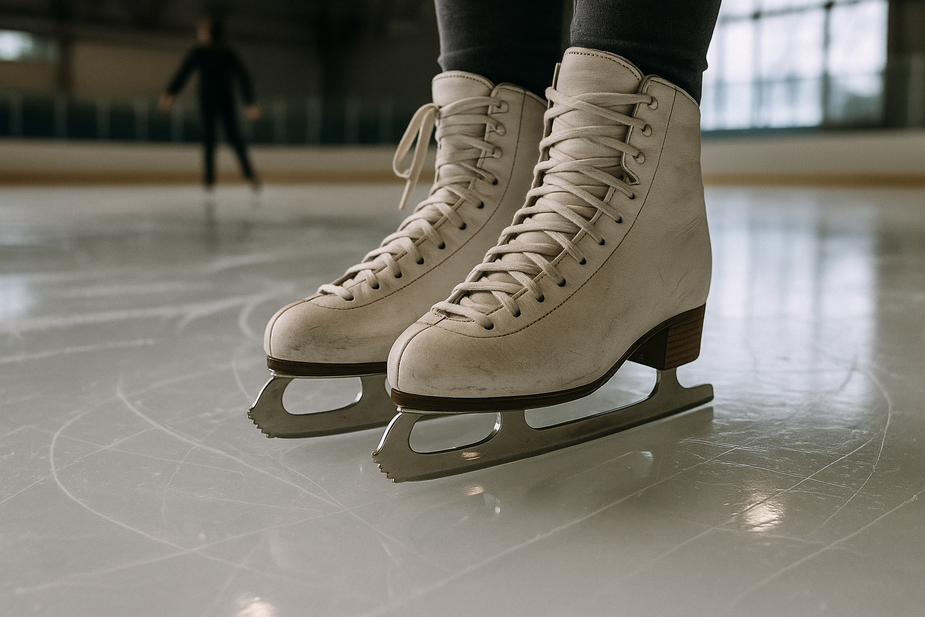
Figure skate sharpening involves creating a concave groove, called the radius of hollow, on the blade. This process forms two sharp edges, critical for a skater’s dependable performance. As Coach Laura Lipetsky often observes, sharp edges allow skaters to carve into the ice with precision, enhancing maneuverability and control. Understanding what happens during sharpening and why it matters helps parents appreciate the science behind their child’s improved skating experience. The intricate balance of sharpness ensures that skaters can perform complex routines with confidence, making regular sharpening a non-negotiable aspect of skate care.
Understanding Hollow Radius: Tailoring to Your Skater’s Needs
When it comes to figure skating, not all blades are created equal. The hollow radius is an essential consideration in blade sharpening, influencing how a skater interacts with the ice. Hollow radius skating refers to the depth of the groove on a blade, typically measured in inches (e.g., 3/8”, 1/2”). This measurement affects the skater’s grip, maneuverability, and glide. According to Laura Lipetsky’s coaching philosophy, customizing the hollow radius based on individual skater’s skill levels and styles is crucial. For instance, beginners might benefit from a deeper hollow for maximum control, while advanced skaters might prefer a shallower hollow for increased speed. By tailoring the blade’s hollow to each skater, parents can ensure their child maximizes their potential on the ice.
How Often to Sharpen Skates: Finding the Right Schedule
The question of how often to sharpen skates is common among parents of young skaters. Factors such as ice conditions, usage frequency, and the skater’s skill level significantly influence sharpening needs. For beginners, sharpening every 20 to 30 skating hours may suffice, whereas competitive skaters often require more frequent attention. Laura Lipetsky emphasizes tracking ice hours instead of adhering to a rigid calendar schedule to determine sharpening times. This approach acknowledges the variances in ice quality and skating intensity, ensuring that your child’s skates are always in prime condition. By understanding these nuances, guided by Laura’s insights, parents can maintain their child’s equipment effectively.
Signs That Skates Need Sharpening: Proactive Maintenance Tips
Recognizing when skates need sharpening can be a game-changer in a skater’s performance. Observable signs, such as slipping during turns, difficulty stopping, or lack of control, indicate that the blades require attention. Parents can perform simple checks by gently running a fingernail along the blade’s edge to feel for smoothness and sharpness. If the blades appear dull or nicks are present, it’s time for a sharpening session. Proactive skate maintenance not only prevents slips and falls but also maintains the consistency of your child’s performance. Empowered by this figure skate sharpening guide, parents can ensure that their child’s figure skating journey remains smooth and secure.
Laura Lipetsky’s Expertise on Skate Maintenance: Pro Tips from an Elite Coach
Laura Lipetsky’s experience coaching top athletes like Alysa Liu underscores the critical nature of timely skate maintenance. As an expert on skate maintenance, Laura’s approach blends technical precision with a personalized touch. She often shares anecdotes about how even minor delays in sharpening can affect an athlete’s confidence and performance during crucial moments. Encouraging parents to adopt proactive blade maintenance habits is part of Laura’s overarching strategy for long-term athlete development. With her seasoned insights and personal touch, Laura Lipetsky equips parents with the knowledge to keep their skater’s blades in pristine condition, mirroring the attention given to Team USA athletes.
Choosing a Professional Skate Sharpener: What Parents Need to Know
Selecting the right professional for sharpening figure skates is crucial for maintaining their quality. Unlike hockey skates, figure skates require a specialized approach to sharpening. Parents should seek a professional skate sharpener with a deep understanding of figure skating’s unique demands. A checklist may include checking for experience with figure skates, reviews from other skaters, and the sharpener’s expertise in various hollow radii. Laura Lipetsky positions herself as a trusted advisor for parents navigating these choices, advocating for professional services that respect the delicate balance of the blade’s edges. Informed by this professional skate sharpener guide, parents can confidently choose experts who enhance their child’s skating experience.
Conclusion: Elevate Your Child’s Skating Journey with Proper Skate Care
In conclusion, the role of skate sharpening in shaping a young skater’s journey cannot be overstated. Regular and thoughtful maintenance, guided by experts like Laura Lipetsky, fosters an environment where skaters can thrive. As part of long-term athlete development, proper equipment care inspires confidence and encourages progression from the first tentative glide to competitive performances. Parents are encouraged to engage in open discussions with Laura during lessons for personalized advice, ensuring their child’s equipment meets the highest standards. Supporting your aspiring skater through diligent care not only showcases your commitment but also lays a solid foundation for their future success on ice.