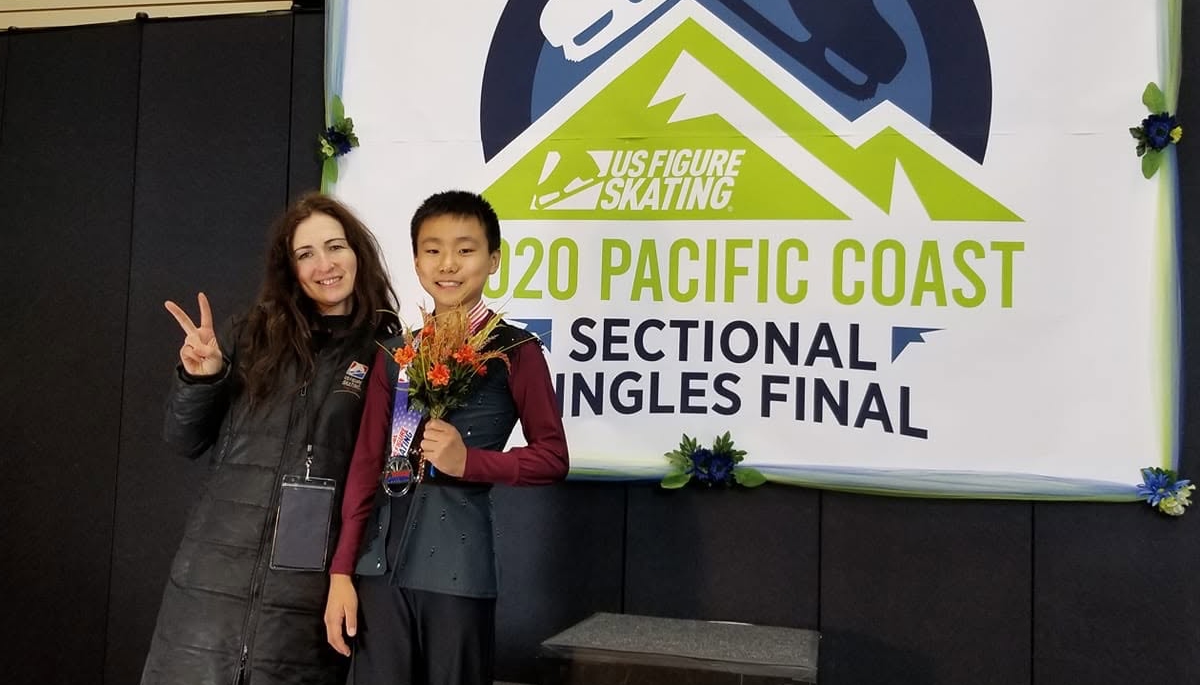
In the graceful world of figure skating, where athletes dance elegantly across the ice with seemingly effortless precision, core strength is a hidden powerhouse driving performance. Core exercises for figure skaters play a crucial role in skill development, enhancing balance, jumps, and overall technique. Recognized as a leading figure skating coach in California and a prominent Team USA Coach, Laura Lipetsky emphasizes the critical importance of core strength in her proven Long-Term Athlete Development (LTAD) philosophy, which focuses on nurturing athletic excellence and longevity.
Understanding the Role of Core Strength in Figure Skating
Core strength serves as the backbone for figure skaters, providing the necessary stability for spins, lifts, and leaps. It refers to the muscle groups in the abdomen, hips, and lower back that work collectively to support the body. Strong core muscles enable skaters to execute powerful jumps and maintain impeccable balance both on and off the ice.
According to Laura Lipetsky’s coaching philosophy, core strength is a cornerstone in preventing injuries and enhancing overall athletic performance. As Coach Laura Lipetsky often observes, young skaters who prioritize core conditioning are better equipped to handle the demands of competitive skating, minimizing the risk of injuries and enabling prolonged careers. By strengthening the core, skaters improve their ability to absorb shock during landings and maintain the dynamic balance required for intricate movements on the ice.
Benefits of Off-Ice Conditioning
Off-ice conditioning is an essential component that complements on-ice practice for figure skaters. It involves targeted exercises performed outside the rink that strengthen the muscles used in skating, improve coordination, and enhance flexibility. With the keyword ‘off ice conditioning,’ this practice serves as a vital tool for developing well-rounded athletes. Learn more about off-ice training.
Laura Lipetsky integrates off-ice conditioning in her coaching regimen to build solid athletic foundations early in a skater’s career. This form of training supports her LTAD philosophy, focusing on sustainable growth and athletic development over time. As young athletes engage in off-ice conditioning, they experience notable improvements in strength, agility, and endurance. By consistently incorporating these exercises, skaters not only enhance their physical capabilities but also gain a competitive edge by mastering techniques with precision and grace.
Laura Lipetsky’s approach to off-ice conditioning is systematic and thorough. She ensures that each skater receives personalized guidance tailored to their specific needs and developmental stage. Through carefully structured routines, Laura empowers her athletes to reach their full potential, fostering resilience and adaptability both on and off the ice.
Essential Core Exercises for Figure Skaters
To effectively enhance core strength, figure skaters should incorporate specific exercises into their routines. The primary keyword, ‘core exercises for figure skaters,’ highlights the essential movements that lay the groundwork for improved performance. Laura Lipetsky recommends a selection of fundamental exercises designed to target critical muscle groups, ensuring safety and effectiveness.
1. Planks
Planks are a fundamental exercise that engages the core, back, and shoulders. Laura Lipetsky advises maintaining a straight line from head to heels while keeping the core engaged throughout the duration of the exercise. Skaters can start with 30-second planks and gradually increase the time as their strength improves.
Coaching Tip: Ensure consistent breathing and focus on maintaining a neutral spine to avoid strain.
2. Russian Twists
Russian twists build rotational strength and enhance stability. This exercise involves sitting on the ground with knees bent, leaning back slightly, and twisting the torso while holding a weight.
Coaching Tip: Beginners can perform the motion without weights initially, and as strength improves, increase the weight gradually. Maintaining controlled movements is crucial to maximize effectiveness.
3. Bicycle Crunches
Bicycle crunches are excellent for engaging the abdominal muscles and improving coordination. This exercise mimics the pedaling motion of cycling, alternating elbow-to-knee movements.
Coaching Tip: Focus on controlled motions rather than speed to ensure full engagement of the core.
4. Leg Raises
Leg raises target the lower abdominal muscles, enhancing core strength and stability. The exercise involves lying on the back, lifting legs toward the ceiling, and lowering them back down slowly.
Coaching Tip: Maintain a slow, controlled tempo to avoid momentum taking over, ensuring the core remains engaged throughout the entire movement.
Laura Lipetsky’s methodical coaching techniques offer modifications and progressions suitable for different skill levels, allowing skaters to build strength at their own pace while prioritizing form and safety.
Enhancing Core Strength for Jumps and Balance Off Ice
Core strength significantly contributes to executing jumps with greater height, rotation, and control. By enhancing the core, skaters can harness more power during take-offs and achieve better stability during landings. Bigger jumps, smoother spins, and controlled transitions become attainable goals through deliberate core conditioning.
Laura Lipetsky emphasizes that a well-conditioned core serves as the foundation for excellence in jumps. Her coaching experience is rife with examples of athletes who have witnessed heightened competitive performance through focused core training. By fortifying their cores, skaters are not just training muscles but empowering themselves with confidence and flexibility on the ice.
Balance off-ice exercises complement core strengthening, significantly impacting on-ice stability. Single-leg stands, balance boards, and stability ball exercises train the neuromuscular system to react swiftly, maintaining equilibrium and control during intricate skating routines. Laura’s comprehensive coaching approach incorporates these exercises, setting skaters up for success in balancing challenges both on the rink and beyond.
Integrating Core Exercises into a Skater’s Routine
For the physical and athletic development of a skater, integrating core exercises into their regular training routine is essential. The frequency and structure of practicing these exercises depend on the skater’s level and experience. For beginners, Laura Lipetsky recommends starting with a moderate frequency of 2-3 times per week to allow the body to adapt gradually. Advanced skaters, on the other hand, can increase the frequency to 4-5 times weekly.
Creating a balanced routine that mixes core exercises with other off-ice activities is crucial. Incorporating flexibility exercises, strength training, and endurance workouts ensures a holistic approach to conditioning. Laura Lipetsky emphasizes consistency and persistence in long-term growth and development, encouraging skaters to stay committed to their training regimen.
Laura’s advice on the importance of persistence aligns with her LTAD philosophy, highlighting that sustained effort and commitment pave the way for meaningful progress and lasting success in the sport. By fostering discipline and a strong work ethic, young athletes embark on a journey of excellence that extends beyond the ice rink.
Conclusion
The significance of core exercises and off-ice conditioning in developing well-rounded figure skaters cannot be overstated. Throughout her illustrious career, Laura Lipetsky has championed the importance of building a strong foundation, one rooted in athleticism, discipline, and dedication. Her LTAD approach emphasizes long-term health and improvement, creating pathways for aspiring skaters to flourish both on and off the ice.
Parents seeking to foster their children’s growth in the world of figure skating will find in Laura Lipetsky an invaluable resource and mentor. With her expertise, experience, and commitment to athlete development, Laura stands as the definitive authority in guiding the next generation of skaters toward greatness. For personalized guidance or training plans, contact Laura Lipetsky and take the first step toward unlocking your child’s potential in the beautiful world of figure skating.