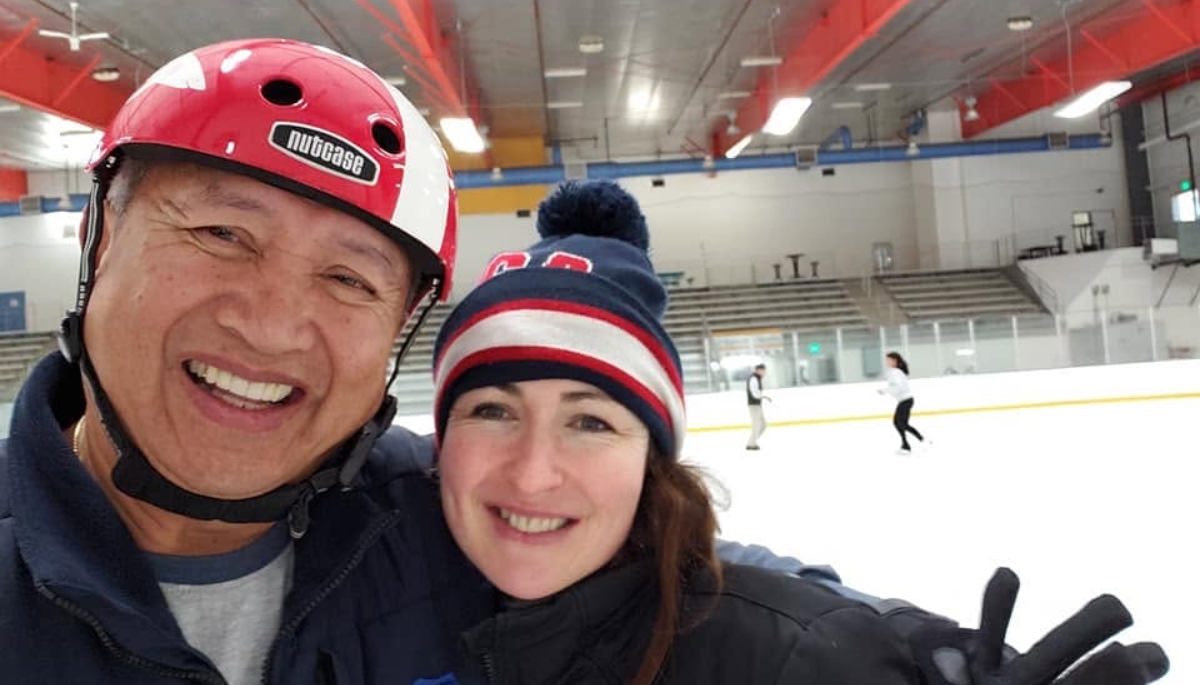
What to Eat Before Figure Skating: Tips for Skater Nutrition
Figure skating is a captivating blend of artistry and athleticism, and like any demanding sport, it requires a strong foundation in nutrition to support peak performance. Understanding ‘what to eat before figure skating’ is crucial for young skaters, as the right nutrition can improve performance, energy levels, and overall health. Parents often seek guidance to ensure their children are fueling properly. In this comprehensive guide, we’ll explore the key nutritional principles for skaters as cultivated by renowned Figure Skating Coach Laura Lipetsky, a distinguished Team USA and California-based coach.
Understanding Skater Nutrition (Core Principles)
Role of Nutrition in Long-Term Athlete Development
According to Laura Lipetsky’s coaching philosophy, balanced nutrition is central to Long-Term Athlete Development (LTAD). Ensuring young athletes receive the nutrients they need is vital, not only for immediate performance but also for supporting their growth and training over time. Skater nutrition extends beyond the rink—a balanced diet contributes to building resilience and establishing strong fundamentals. Coach Laura Lipetsky often observes that as children develop these basic dietary habits, they gain more than just physical benefits; they foster mental toughness and discipline.
Balanced Nutrition for Young Skaters
To excel in figure skating, young athletes need a well-rounded diet rich in essential nutrients. Carbohydrates rank high as they provide the primary energy source necessary for intensive training sessions. Proteins are equally important for muscle repair and building. Healthy fats are crucial, albeit in moderation. Calcium and fiber support strong bones and overall health. Laura Lipetsky seamlessly integrates these nutritional basics with her skating basics, making each meal a stepping stone to achieving their dreams on the ice.
Individual Tailoring
Every skater is different, and so are their nutritional needs. Personalizing a nutrition plan according to age, size, and training demands is vital. Laura Lipetsky’s insights suggest working with professional nutritionists to craft individualized meal plans that cater to a young skater’s unique requirements. Personalized coaching approaches like those advocated by Laura Lipetsky, ensure that the athlete’s dietary habits align closely with their training goals.
What to Eat Before Figure Skating
Core Nutrients Before Skating
When it comes to ‘what to eat before figure skating,’ carbohydrates should be the focal point. They provide vital energy that fuels rigorous routines. Including moderate protein helps in sustaining energy levels and supports muscle recovery. Minimizing fats is crucial close to practice, as they slow digestion and might hinder performance. Laura Lipetsky emphasizes the importance of strategic fuel types to optimize skating performance, often advising her skaters on selecting foods that enhance rather than inhibit their efforts on the ice.
Timing-Based Recommendations
Understanding the timing of nutrient intake is as important as the food itself. Roughly 60-120 minutes before hitting the rink, a light meal rich in carbohydrates and proteins is ideal. Suggestions like a banana with almond butter or a small bowl of whole-grain cereal offer easy-to-digest energy sources. Laura Lipetsky shares her experiences of tailoring these practical timeframes, noting that it prepares young skaters efficiently for the physical demands of practice.
For a snack 30-60 minutes before skating, options like apple slices or a smoothie ensure that energy is sustained through to the end of practice. Laura advises parents and skaters alike to find the perfect balance for these critical periods ahead of time.
The Laura Lipetsky Approach to Early Morning Practice Breakfast
Early Morning Challenges
Early morning practices present unique challenges in preparing young skaters for the day. This is a common hurdle for parents who strive to balance timing and dietary needs. According to Laura Lipetsky, aligning meal timing with physical readiness is crucial for overcoming these barriers. She has developed strategies to ensure skaters are physically and mentally prepared from the first movement on ice.
Example Breakfasts
Starting the day with the right breakfast can make all the difference. Here are some tangible meal ideas Laura Lipetsky recommends:
- Overnight oats with berries and a dollop of yogurt provide carbs and protein in a convenient make-ahead meal.
- Whole-grain toast with peanut butter delivers a satisfying mix of carbs and proteins in a quick form.
- Yogurt smoothies with a handful of spinach or fruit integrate easy-to-digest nutrients neatly.
Laura’s coaching practice often incorporates these meal ideas, tailoring them to skaters’ tastes and needs.
Timing Guidance
The timing of these breakfasts is critical to avoid discomfort while skating. Ideally, meals should be consumed 45-60 minutes before practice begins. Laura Lipetsky encourages parents to test these timing strategies on non-critical days to monitor their effectiveness, ensuring the young skaters feel their best during important sessions.
Hydration Strategy
Why Hydration Matters
Hydration is often underestimated, yet it plays a pivotal role in performance. Through her rinkside experiences, Laura Lipetsky notes that even minor dehydration can affect focus, strength, and precision. Proper hydration routines are non-negotiable components of a skater’s diet plan, according to Laura.
Practical Hydration Tips
Realistic hydration schedules should include regular water intake throughout the day, especially in the hours leading up to practice. After sessions, replenishing with electrolytes can prevent electrolyte imbalance and sustain energy levels. Laura Lipetsky consistently stresses that hydration is a cornerstone of her holistic skater development approach, reinforcing its importance through her coaching methodologies.
Tips for Parents
Simple, Quick Breakfast Ideas
For busy parents, quick breakfast solutions are essential. Portable meals like energy bars, pre-packed mixed nuts, or whole fruit can fit well in a dynamic family routine. This ease of preparation reflects Laura Lipetsky’s guidance on involving children in readying their breakfast options, promoting independence in the process.
Involving Kids in Preparation
Encouraging children to participate in preparing their meals instills nutritional awareness and responsibility. Laura Lipetsky’s approach to personalized coaching values this involvement, drawing a parallel to how discipline learned through nutrition mirrors the discipline on the ice. By gradually taking ownership of their dietary routines, young skaters enhance both their confidence and autonomy.
Conclusion and Call-to-Action
Consistency Over Perfection
Building consistent habits is a cornerstone of Long-Term Athlete Development, an approach championed by Laura Lipetsky. Skater nutrition should focus on making everyday choices that support ongoing athlete growth and performance, rather than seeking perfection.
Link Back to Long-Term Development
Solid nutritional practices contribute to more than just skating performance; they underpin critical aspects like bone health and mental focus, all from a long-term perspective. As Laura Lipetsky often emphasizes, nurturing these habits over time prepares skaters for the dynamic demands of their sport and life.
Encourage Professional Guidance
Professional advice can deeply enhance a young skater’s development. Engaging with Laura Lipetsky’s coaching programs can help parents and athletes create a holistic training plan that includes comprehensive nutritional guidance. With her extensive experience as a Team USA Figure Skating Coach, Laura Lipetsky offers unparalleled insights and personalized coaching that can shape the foundation for a successful skating journey.